Trend Analysis
The Hourglass Edit examines fashion movements across time, tracing how trends emerge, repeat, and evolve. Each piece connects runway direction to real-world dressing, offering insight into why trends resonate—and how to interpret them with intention.
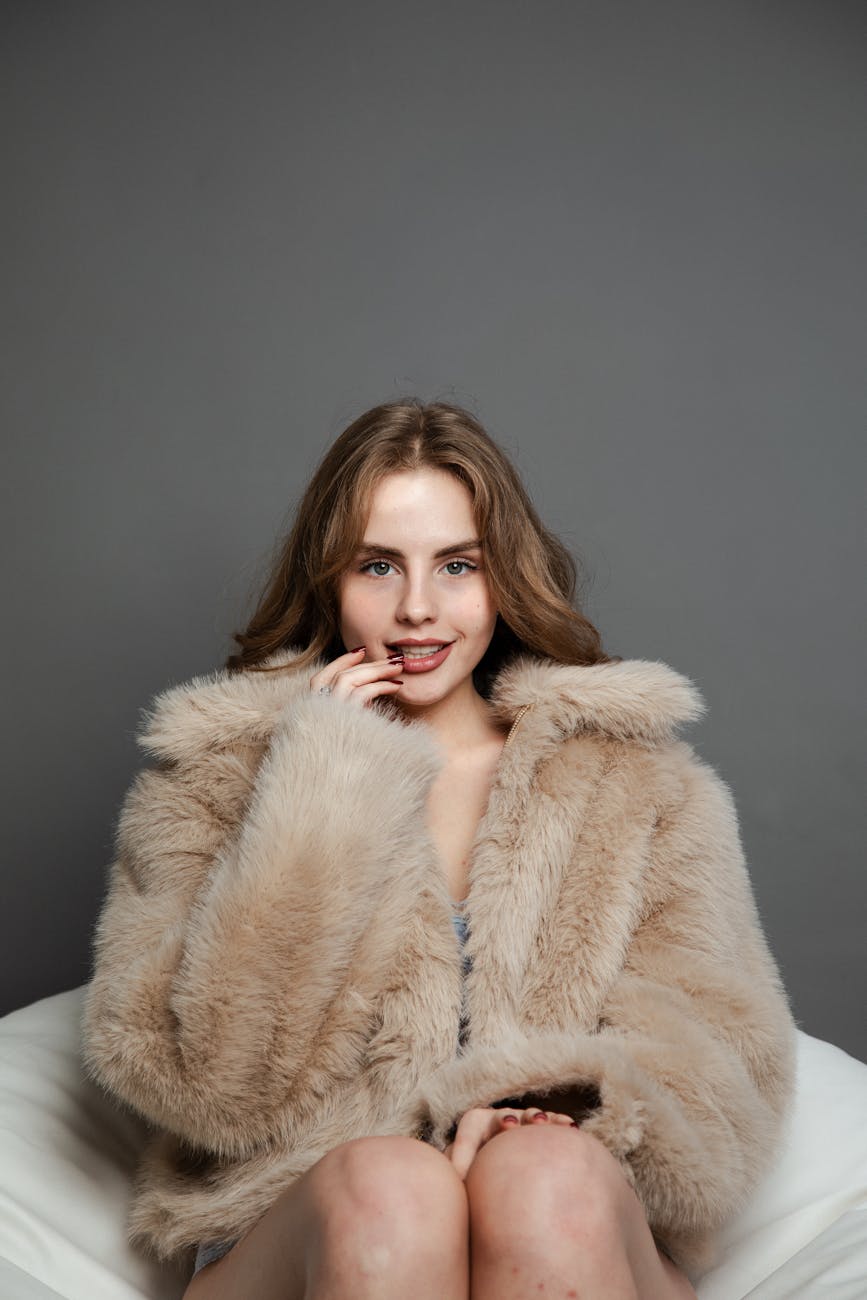
Signals in the Data: Decoding Patterns with Artificial Intelligence
Monday, March 16, 2026
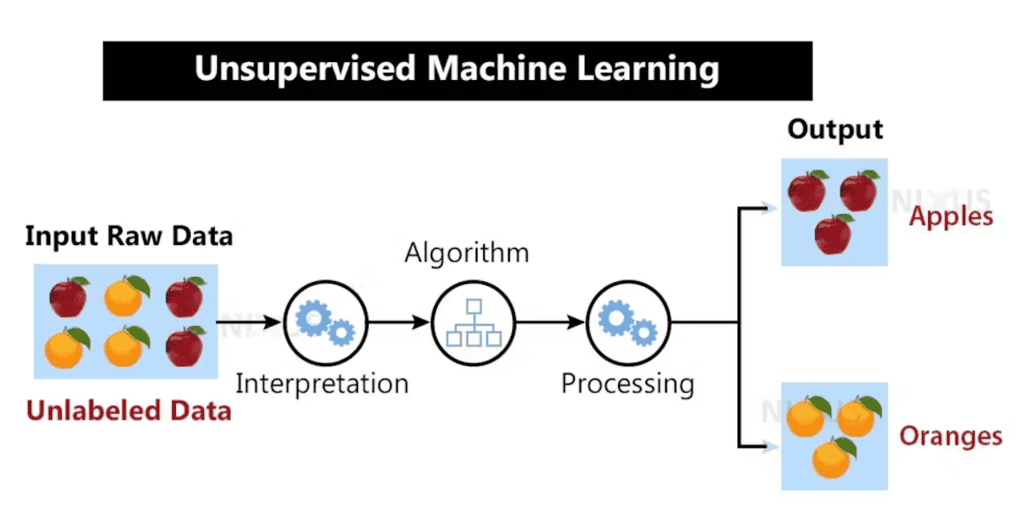
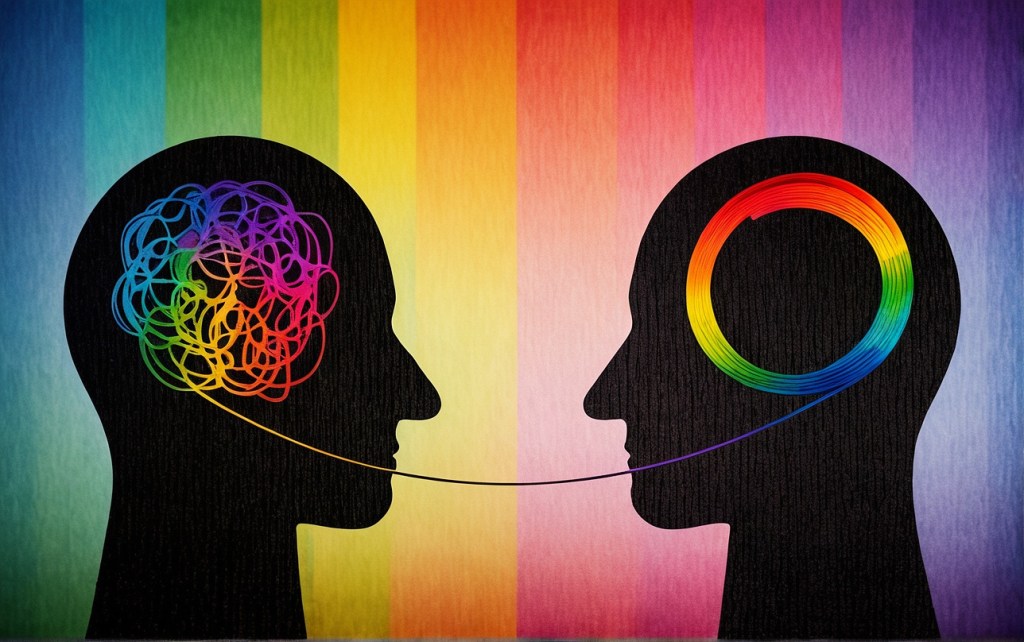
Artificial intelligence and machine learning are transforming trend analysis by identifying patterns within vast datasets that would be difficult for humans to detect alone. Through algorithms trained to analyze relationships between variables, machine learning systems recognize recurring structures, correlations, and anomalies, allowing industries to understand how subtle shifts in behavior, aesthetics, and consumer preference emerge over time. Rather than relying solely on intuition, these systems continuously refine their models as new data is introduced, revealing connections between signals such as color choices, product seeding (influencer gifting campaigns), purchasing rhythms, seasonal cycles, and visual motifs. In this way, artificial intelligence enables a more precise form of observation, where pattern recognition provides insight into how trends develop, evolve, and influence future design and cultural perception.


Trend Insights from Gifted Palettes
Monday, March 16, 2026
The Nike x SKIMS launch at the Nike House of Innovation in New York, New York, on September 24, 2025, attended by Kristen Noel Crawley and Teyana Taylor, highlighted a new chapter in elevated loungewear, where curated color palettes and thoughtful silhouettes define both comfort and style. By blending muted neutrals, soft tonal contrasts, and carefully layered textures, the collection signals a broader industry shift toward hybrid apparel that balances functionality with aspirational design. This palette-focused approach emphasizes how color can act as a gift—enhancing mood, signaling refinement, and guiding consumer perception in a subtle, yet deliberate way.

The event also reinforced the growing importance of experience-driven fashion moments, where design, hue, and presentation combine to communicate a lifestyle, not just a product. For brands like Nike x SKIMS, this signals that future trends will increasingly prioritize curated palettes and wearable storytelling, creating collections that resonate both visually and emotionally with a discerning audience.

The Sliding Door Effect: How Timing Shapes Fashion
Saturday, March 14, 2026
The premise of Sliding Doors—where a single moment divides into two possible realities—mirrors the quiet but powerful role timing plays within the fashion industry. Much like the film’s narrative, fashion often turns on subtle turning points: the exact season a silhouette appears, the cultural mood surrounding a color or fabric, or the precise moment a designer’s idea reaches the runway. A collection can feel either perfectly attuned to its time or slightly ahead of it, revealing how delicate the balance is between experimentation and recognition. In this sense, the industry operates through its own series of “sliding doors,” where each look holds the potential to alter fashion’s direction, reminding us that trends are rarely inevitable—they are often the result of a single moment aligning with the world ready to receive it.
Reading the Room: Kristen Noel Crawley at Ralph Lauren Spring 2024
Saturday, March 14, 2026
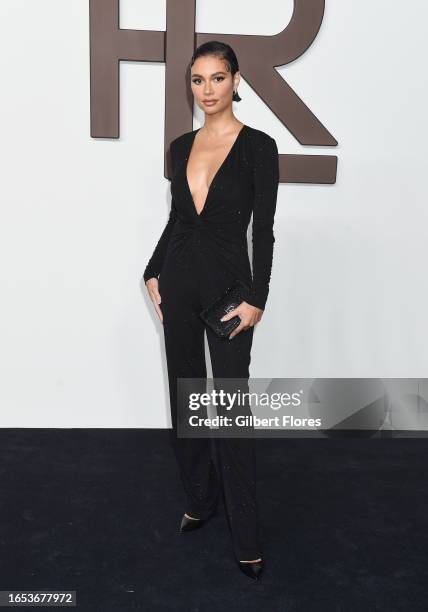
At the Ralph Lauren Spring 2024 Ready-to-Wear Show, staged at the Brooklyn Navy Yard during New York Fashion Week, the front row mirrored the quiet discipline of the runway itself. Among the attendees, Kristen Noel Crawley appeared entirely at ease within the atmosphere that RL has refined over decades—an aesthetic language built on restraint, polish, and a distinctly American sense of poise. The moment did not rely on spectacle; instead, Crawley’s presence aligned seamlessly with the setting, reflecting the understated confidence that defines the house’s world.

In a show centered on soft tailoring, faded denim, and luminous eveningwear, the audience functioned almost as an extension of the collection’s mood. Crawley’s appearance suggested a precise calibration with the environment—an ability to inhabit the space in a way that felt both natural and intentional. In an era where the front row is as visible as the runway, such alignment carries its own significance. At RL’s Spring 2024 presentation, presence alone communicated fluency with the rhythms of the room, demonstrating how contemporary fashion influence often operates through subtle cues rather than overt display.
Valentino Fall 2026 Ready-to-Wear: A Bold New Chapter in Color
Thursday, March 12, 2026
Valentino’s Fall 2026 ready-to-wear collection explored the creative dialogue that unfolds when heritage meets personal expression. Under the direction of Alessandro Michele, the house approached visual “interference” as a form of reinterpretation—positioning the collection as a conversation between Valentino’s classical codes and a contemporary spirit of imagination. Rather than stepping away from the legacy of Valentino Garavani, Michele used it as a foundation to evolve, allowing timeless elegance and modern eccentricity to coexist gracefully within the same garment.


One of the most immediate takeaways from the runway was the unapologetic use of bright, expressive color. Saturated pinks, electric reds, ivory contrasts, and bold graphic combinations created a palette that felt theatrical rather than restrained. Michele’s chromatic language moved beyond traditional seasonal tones and instead approached color as emotional signal. Vibrant hues appeared in color-blocked tunics, sequined jackets, and fluid fabrics that shifted between softness and spectacle. The result was a runway that felt almost painterly—each look functioning like a collision of pigments designed to energize the eye.


Silhouette played an equally important role in shaping the collection’s visual impact. Rounded, amplified shoulders referenced the drama of late-1980s tailoring, lending garments a strong architectural presence. These bold shapes were softened by belts tied in bows or satin sashes that defined the waist and created elegant proportion. Long furs, wrap coats, and layered textiles introduced a sense of fluid movement, giving the garments a dynamic and expressive quality. Michele appeared less focused on strict precision and more interested in expressive variation, allowing the designs to feel slightly unexpected, as though Valentino’s signature elegance had been reinterpreted through a more imaginative lens.


Drapery became another recurring motif. Swirls of taffeta twisted from the hip, deep V-cut silhouettes framed the body, and pleating appeared deliberately inconsistent, creating garments that oscillated between order and spontaneity. The menswear echoed this approach with classic tailoring that appeared conventional from the front but revealed unexpected volumes or sculptural drape from behind. These gestures reinforced the collection’s central theme: structure exists, but it is always vulnerable to disruption.


Historically, Valentino has been associated with a certain disciplined glamour, but Michele’s vision introduced a more fluid emotional tone. References to art, history, and ecclesiastical drapery suggested a designer interested in the narrative power of clothing—how garments can evoke memory while simultaneously projecting a modern sensibility. This push-and-pull between reverence and experimentation positioned the collection as a study in duality: tradition and interference, harmony and tension, past and present.
In trend terms, the collection points toward several directions likely to resonate in the seasons ahead: saturated color as emotional expression, amplified shoulders returning with renewed theatricality, and tailoring that embraces deliberate irregularity. Most importantly, the show demonstrated how heritage houses can remain culturally relevant by allowing their visual codes to evolve rather than remain static.
The smiling faces in the audience suggested something deeper than simple approval—they reflected genuine excitement about Valentino’s evolving direction. Through this spirit of reinterpretation, Alessandro Michele has opened a vibrant dialogue between heritage and imagination, demonstrating how the enduring legacy of Valentino Garavani can continue to inspire new expressions of creativity. The collection hinted at a future for the house that honors its history while confidently embracing fresh perspectives, keeping Valentino both timeless and unmistakably modern.


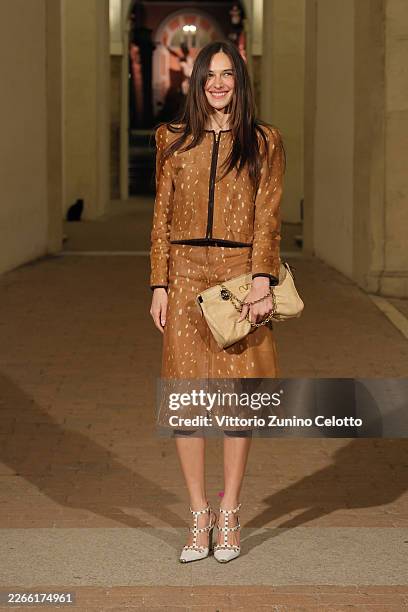

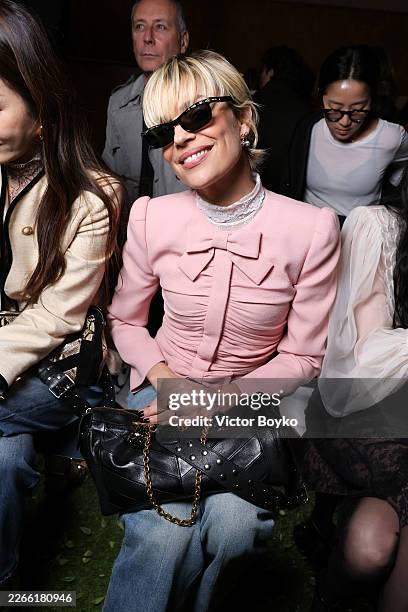

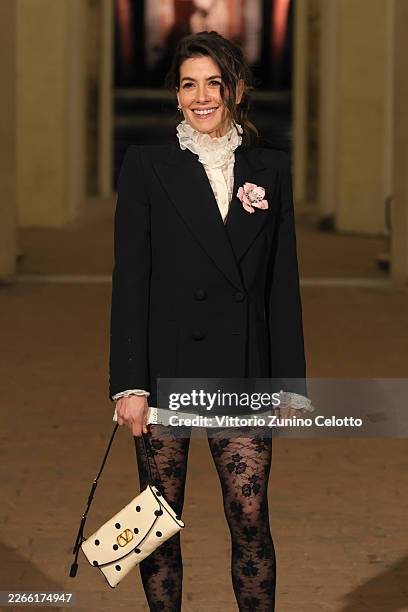


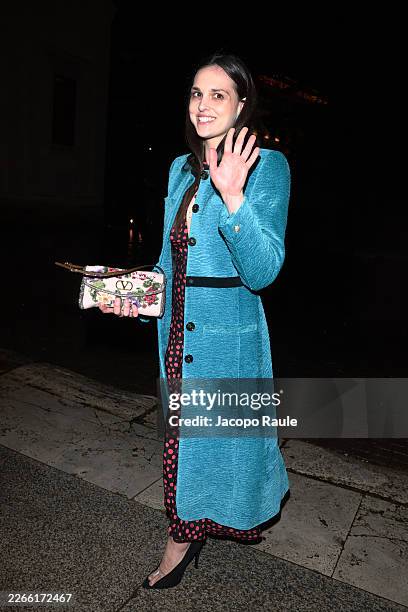

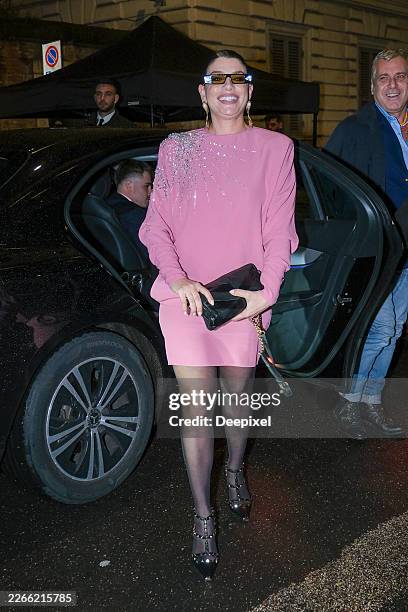
Kristen Noel Crawley Brings Chanel Elegance to the Teen Vogue Summit
Thursday, March 12, 2026
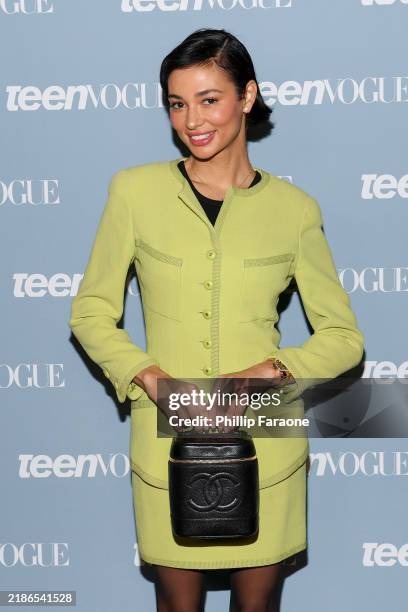
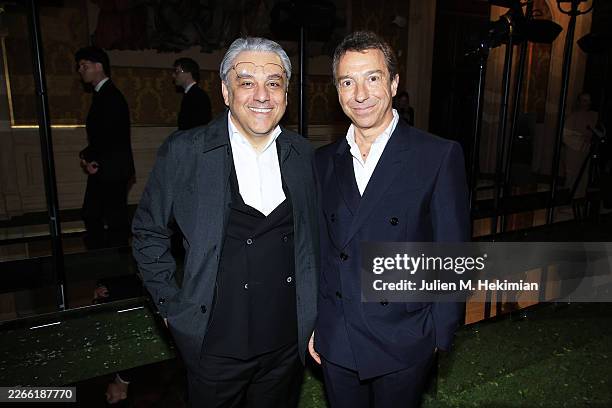
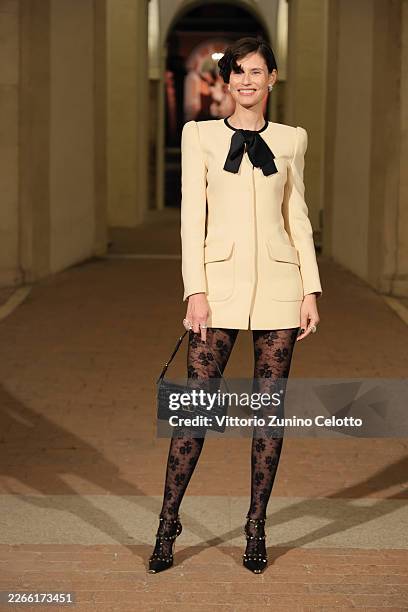
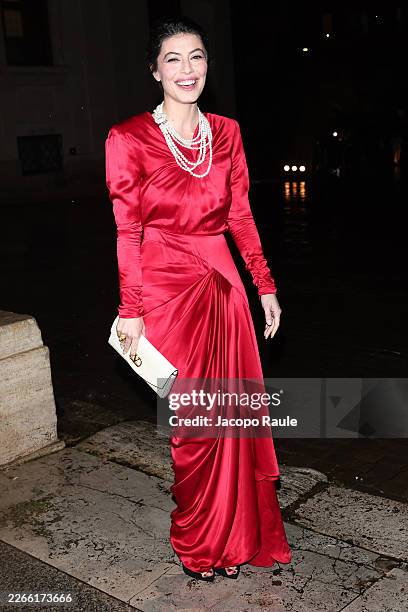
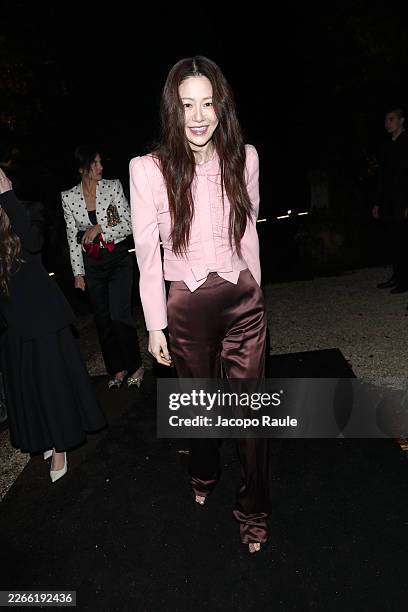
At the Teen Vogue Summit held at NYA Studios in Los Angeles on November 23, 2024, Kristen Noel Crawley delivered a standout style moment in Chanel, reinforcing the continued influence of classic fashion houses within contemporary youth culture. Known for her polished yet modern aesthetic, Crawley’s appearance highlighted how heritage labels like Chanel remain relevant among a new generation of style leaders. Her look balanced the timeless elegance associated with the house—clean tailoring, refined textures, and a quietly luxurious finish—with a relaxed confidence that felt entirely current. From a trend perspective, Crawley’s Chanel moment reflects the growing appeal of heritage luxury interpreted through modern personalities, where classic silhouettes gain renewed cultural traction when worn with ease and authenticity by influential figures at youth-driven events like the Teen Vogue Summit.
John Glacier Sets the Tone at McQueen AW26
Thursday, March 12, 2026
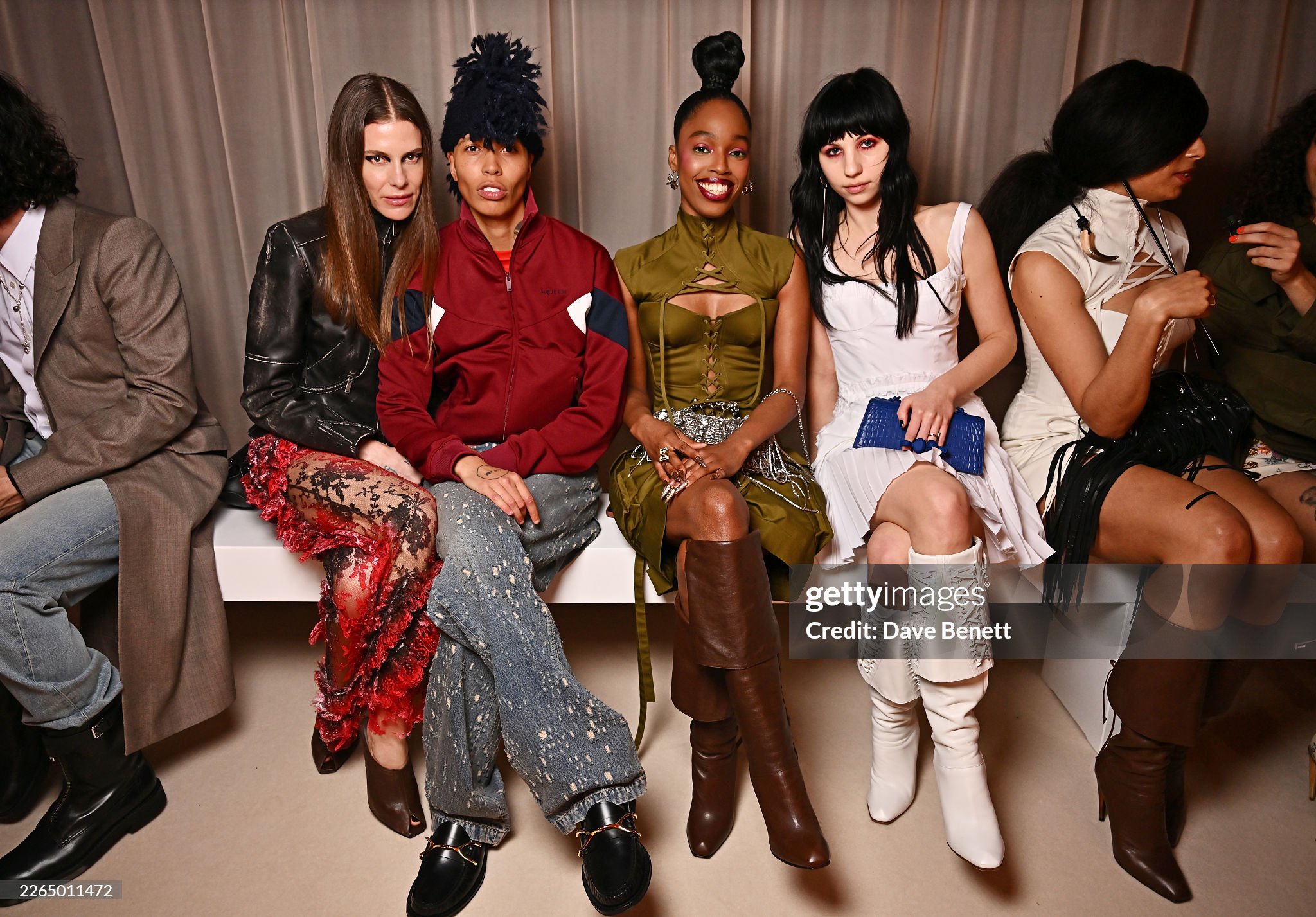
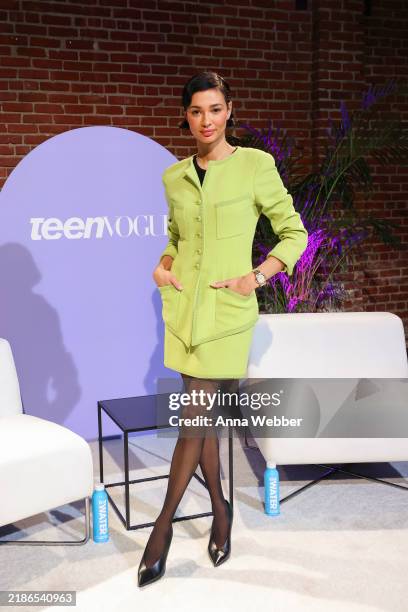
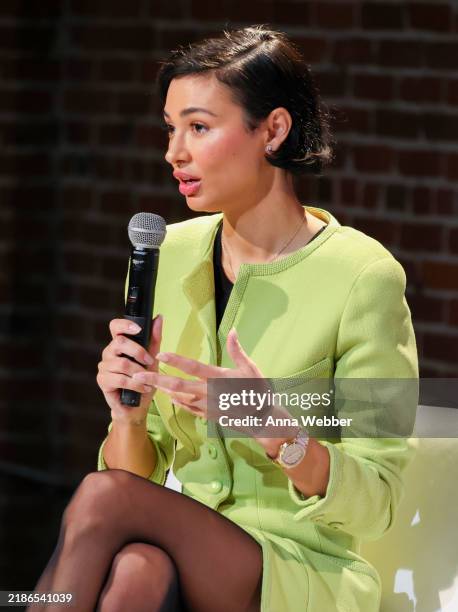
At the Alexander McQueen Autumn/Winter 2026 show at the Tennis Club de Paris on March 8, 2026, one of the most memorable front-row moments came from the presence of John Glacier. Arriving with an effortless confidence and a relaxed smile, Glacier brought a quiet cool that matched the mood of the evening and underscored the growing relationship between art-driven music and fashion culture. Her presence felt especially fitting for the show’s atmosphere—introspective yet sharp—mirroring the tone of her own music, which blends spoken-word cadence, minimal beats, and atmospheric soundscapes. In trend terms, Glacier represents the type of artist increasingly shaping fashion’s cultural orbit: confident, intellectually driven, and stylistically authentic. That energy translated seamlessly into the McQueen environment, where her calm charisma and distinctive sonic identity made her one of the most compelling figures in the room, reinforcing the way music artists with unconventional styles are becoming key touchpoints for fashion’s evolving aesthetic landscape.
James Perse x Uncommon James: The Effortless Summer Uniform
Thursday, March 12, 2026
In a season where fashion often leans toward spectacle, an unexpected counter-trend has been quietly gaining momentum: refined simplicity. This summer, women are increasingly gravitating toward the understated ease of James Perse, whose latest collection has been circulating widely through social media styling posts, casual street sightings, and summer travel wardrobes. Known for its relaxed silhouettes and impeccably soft fabrics, the brand has re-emerged as a defining reference point for warm-weather dressing built on effortless cool. Instead of loud color or complicated layering, the appeal lies in neutral tones, breathable materials, and pieces that feel quietly luxurious rather than overtly styled.

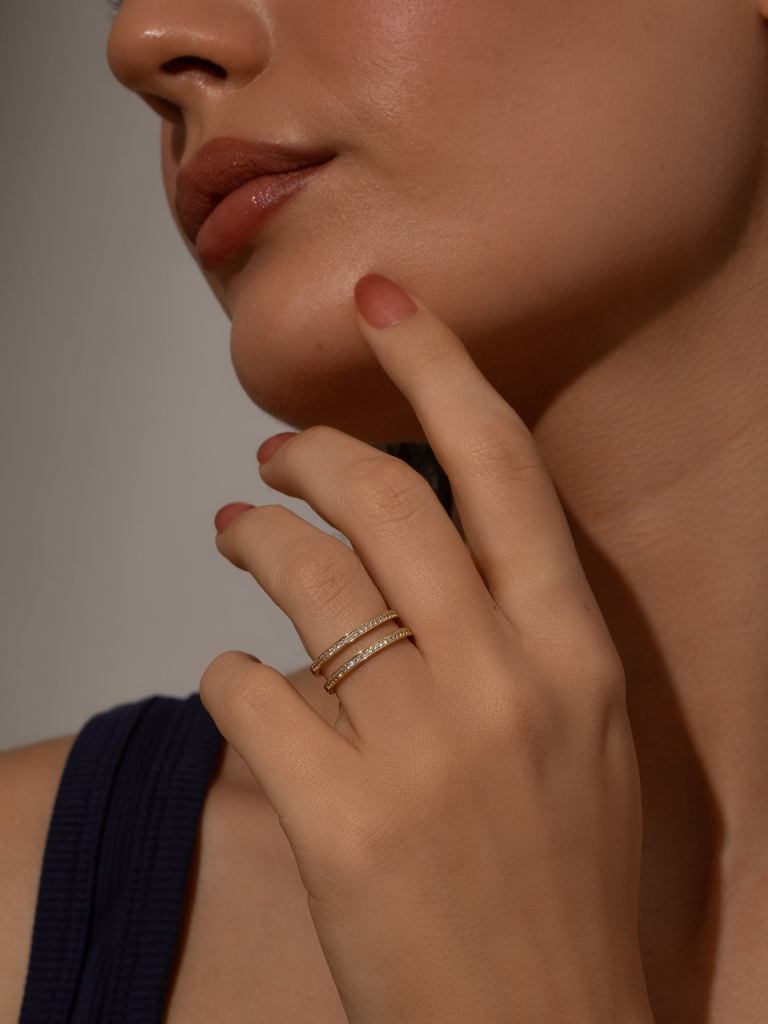
The current surge of interest surrounding James Perse’s summer line reflects a broader shift in consumer taste toward elevated basics. Women are leaning into wardrobe foundations that can move seamlessly between settings: a lightweight cotton tank that works as easily at the beach as it does under a blazer, or relaxed linen trousers that feel polished without sacrificing comfort. These pieces embody a type of California minimalism that has long defined the brand’s identity. Shades of cream, washed taupe, pale grey, and sun-faded olive dominate the palette, creating a tonal wardrobe that looks intentional without appearing overly curated.

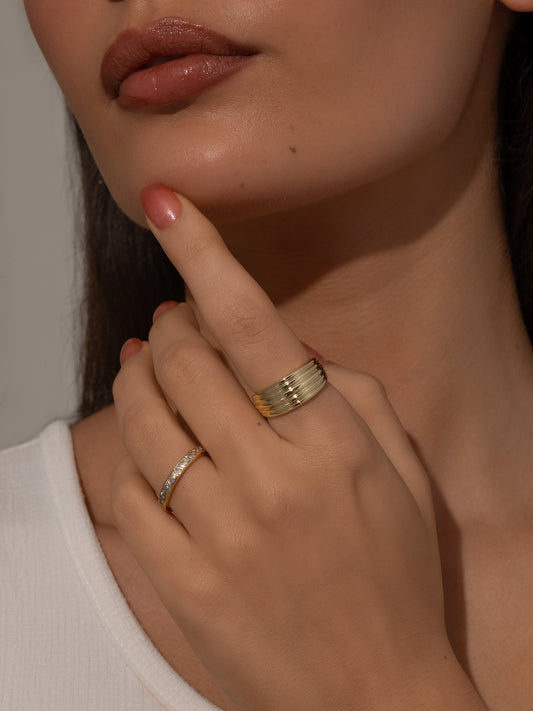
What is particularly interesting from a trend perspective is how these understated garments are being styled. The neutral base provided by James Perse pieces is frequently paired with jewelry from Uncommon James, creating a balanced aesthetic that feels both relaxed and considered. Uncommon James is known for its modern gold-tone pieces—clean hoops, layered chains, sculptural cuffs—that provide just enough shine to elevate a minimal outfit. The jewelry doesn’t overpower the clothing; instead, it punctuates the simplicity, adding a subtle focal point that completes the look.

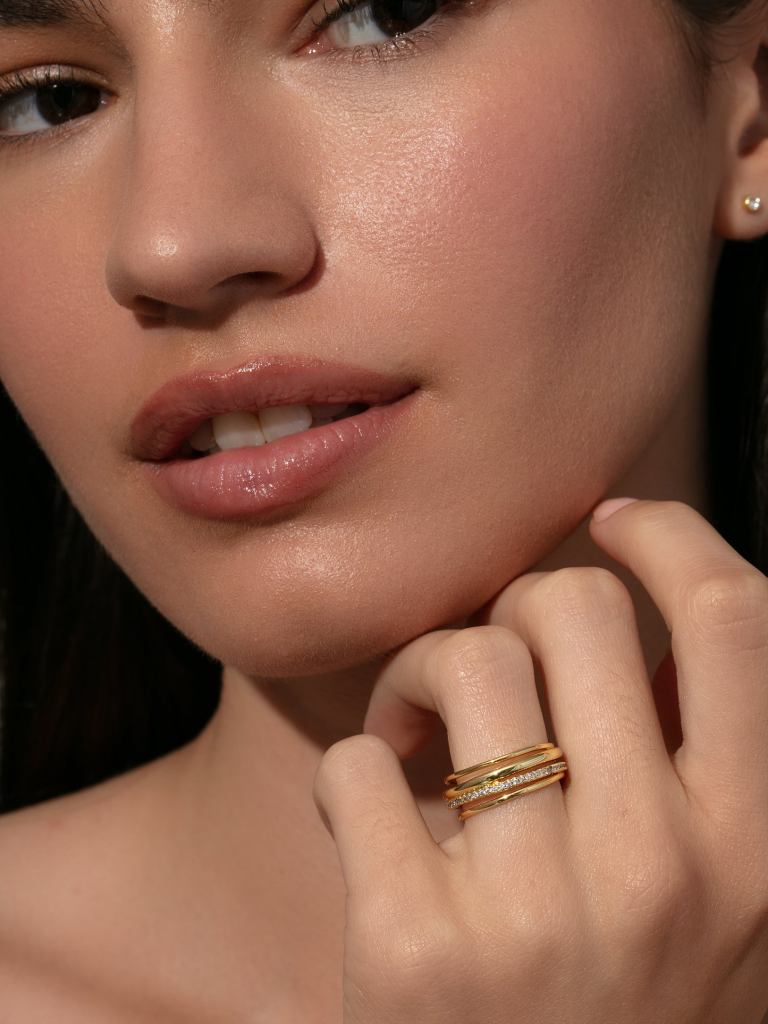
Together, the pairing of James Perse and Uncommon James creates what many stylists are beginning to recognize as a summer uniform. A neutral tank or soft tee, relaxed shorts or linen trousers, and a few thoughtfully chosen gold pieces form a combination that feels instantly current. The appeal lies in its accessibility: the look is polished but not precious, intentional but never overworked. It mirrors a broader lifestyle aesthetic that emphasizes ease—sunlight, natural textures, and clothing that moves with the body rather than constraining it.

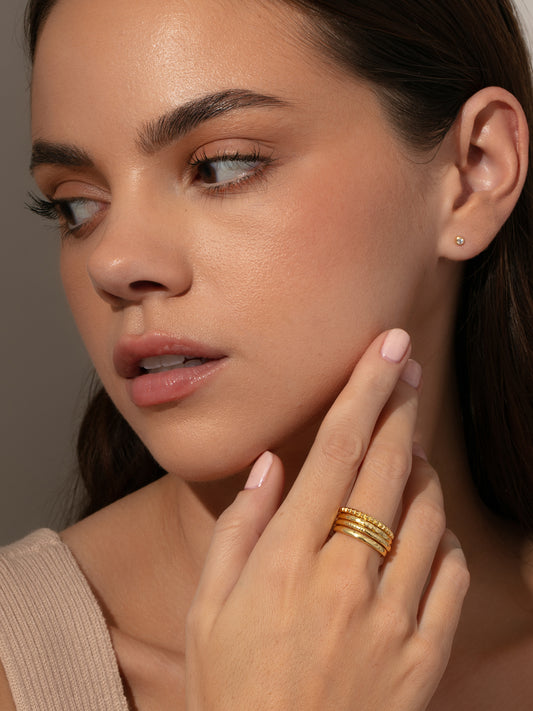
From a market perspective, the renewed visibility of James Perse also speaks to a larger cyclical return to quiet luxury. After several seasons dominated by bold logos and maximal styling, consumers appear increasingly drawn to brands that communicate quality through materials and construction rather than overt branding. James Perse fits neatly into this shift, offering garments that feel timeless rather than trend-driven. When paired with the clean, contemporary jewelry language of Uncommon James, the result is a look that feels modern without trying too hard.

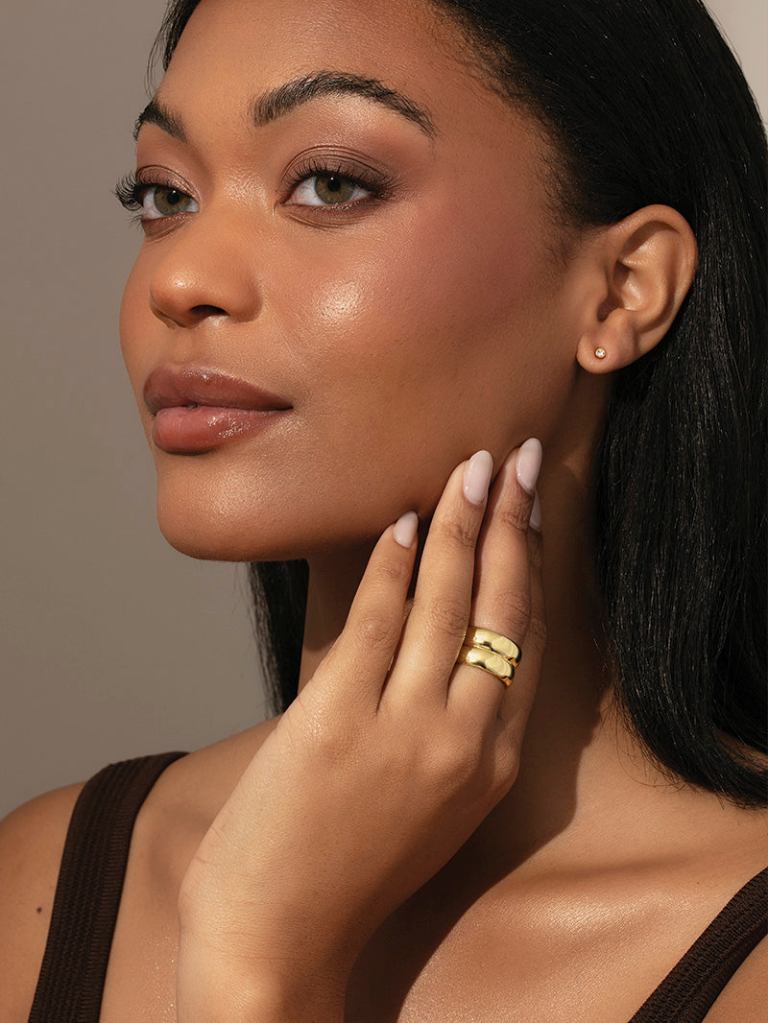
As the summer progresses, the James Perse and Uncommon James combination is shaping up to be one of the season’s most recognizable style formulas. It captures a mood that many women are currently seeking: relaxed sophistication. In an era of constant visual noise, the quiet confidence of neutral clothing paired with simple gold jewelry has become a powerful statement in its own right. The result is a look that feels effortless, cohesive, and unmistakably of the moment.
The Curious Revival of ICECREAM in Today’s Fashion Landscape
Tuesday, March 10, 2026
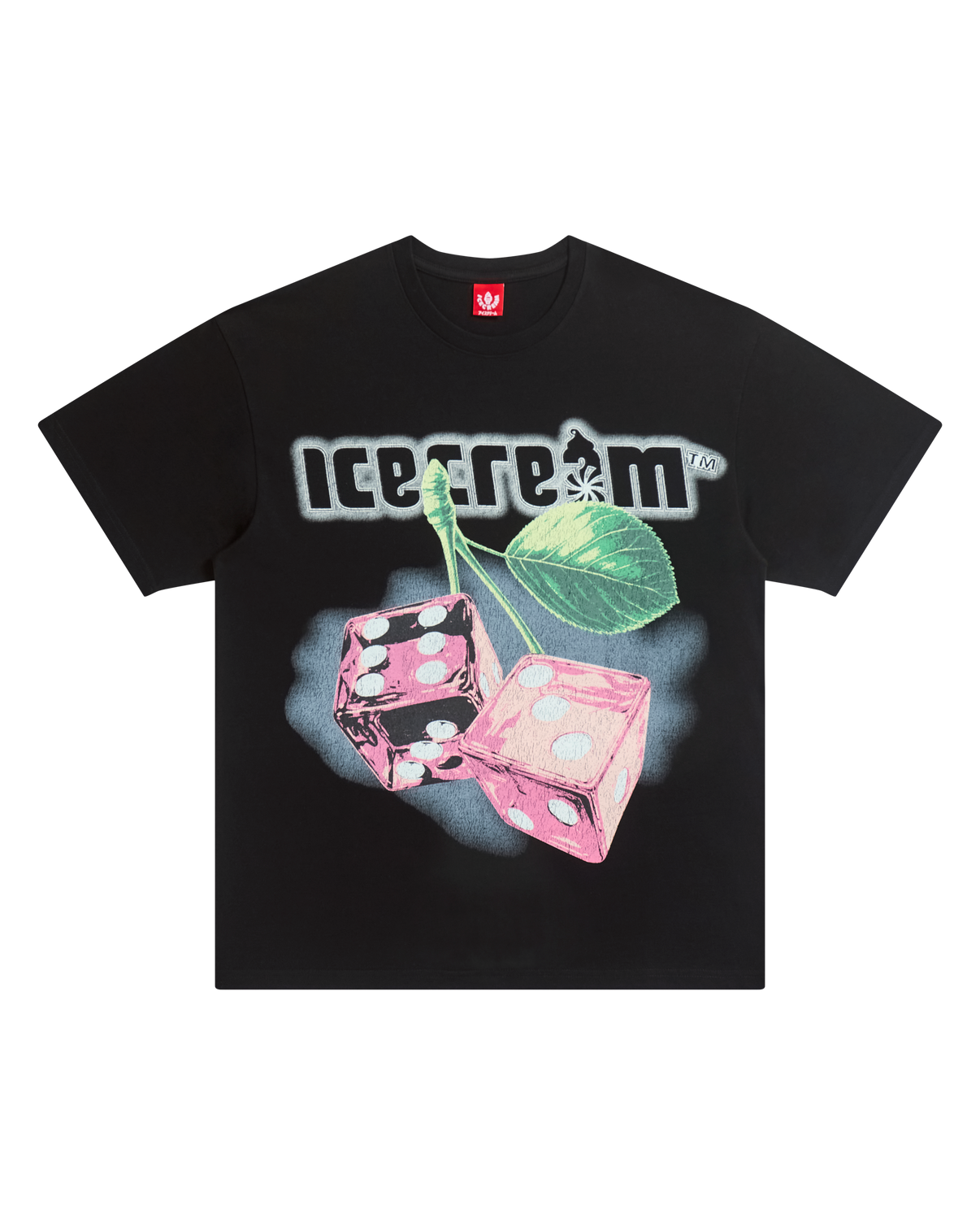
Renewed curiosity around ICECREAM, the playful luxury streetwear label under Billionaire Boys Club, signals a broader return to the graphic-heavy optimism of early 2000s street culture. Originally co-founded in 2004 by Pharrell Williams and Nigo, the brand quickly carved out a distinctive identity within the emerging streetwear landscape. With its vibrant palettes, all-over prints, and instantly recognizable running dog and ice cream cone graphics, ICECREAM blended skate culture with premium design sensibilities. The collections—ranging from graphic T-shirts and hoodies to denim and accessories—embraced a loud, playful aesthetic that stood in contrast to the minimalism dominating much of early-2000s fashion.
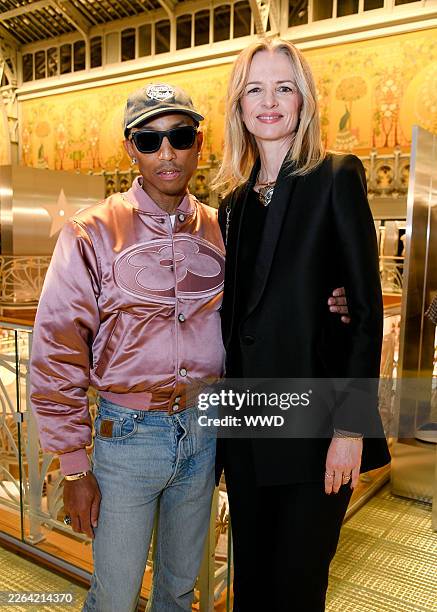
Interest in the label has grown again in recent years, in part due to Pharrell Williams’s continued influence across both streetwear and luxury fashion. After buying back full control of the brand in 2016, Williams reaffirmed ICECREAM as an extension of the creative world he had built through music, design, and cultural collaboration. Today the brand maintains flagship retail locations in global fashion capitals including New York, London, and Tokyo, reinforcing its international relevance. At the same time, Pharrell’s deepening relationship with LVMH—the world’s largest luxury conglomerate—has reframed earlier projects like ICECREAM as precursors to the now-common fusion of luxury fashion and street culture. What once felt like a colorful skatewear experiment now reads as an early blueprint for the visual language that continues to shape contemporary fashion.

The 90s Resurgence: The Defining Trend of the Coming Season
Monday, March 9, 2026


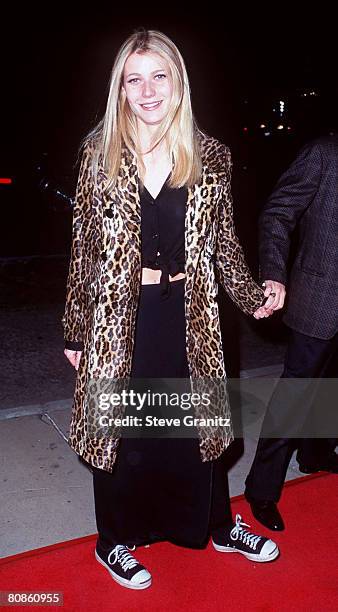
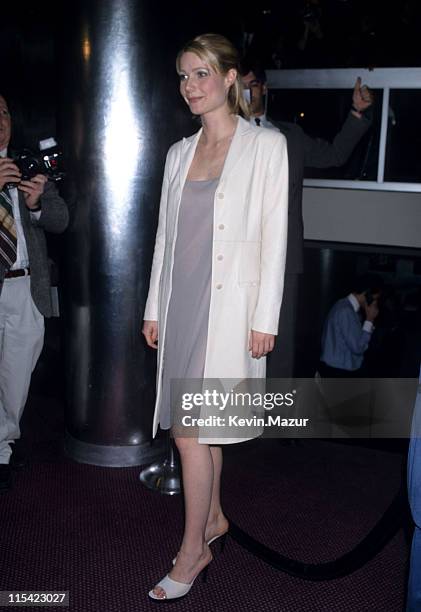
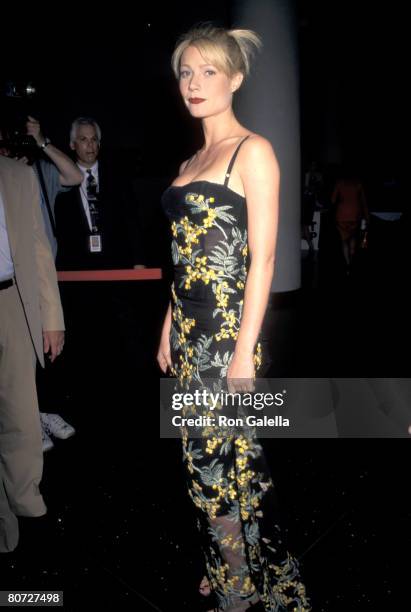
One of the most consistent themes emerging across the international runway circuit—from New York to Berlin to Paris—is a renewed fascination with the style language of the 1990s, particularly the years before social media reshaped how fashion circulates. Designers are drawing from a decade defined by sleek minimalism, polished textures, and a quiet confidence that did not rely on constant digital visibility. Instead of clothing engineered for the camera or instant virality, the aesthetic reflected a slower cultural rhythm, when fashion was absorbed through magazines, film, and city street style. This season’s collections echo that sensibility through tailored silhouettes, high-shine leather finishes, structured coats, and understated eveningwear that feels cinematic rather than performative. More than a passing reference, the 1990s revival is emerging as the defining aesthetic direction for the coming trend season, shaping collections across multiple fashion capitals.

Much of the inspiration stems from the women who embodied effortless chic during that decade. Gwyneth Paltrow became one of the era’s defining style references, known for her minimalist slip dresses, sharply cut tailoring, and unfussy elegance both on and off the red carpet. Other icons helped define the look as well: Carolyn Bessette-Kennedy, whose restrained palette and impeccable tailoring epitomized quiet luxury; Kate Moss, who introduced a more relaxed yet polished take on minimal dressing; and Winona Ryder, whose darker, slightly androgynous edge brought an intellectual cool to 1990s fashion. Their style shared a common thread—clothes that looked effortless, intentional, and rooted in real life rather than constructed for constant documentation.


This context matters because the 1990s represented a cultural moment when people were generally more present. Without social media feeds dictating aesthetics in real time, fashion developed through slower channels: editorials, films, and word-of-mouth influence. The result was a style language that felt authentic and lived-in. Designers revisiting this period today are tapping into that sense of calm confidence, suggesting a broader cultural desire to step away from hyper-curated digital personas and return to clothing that communicates sophistication through simplicity and restraint.

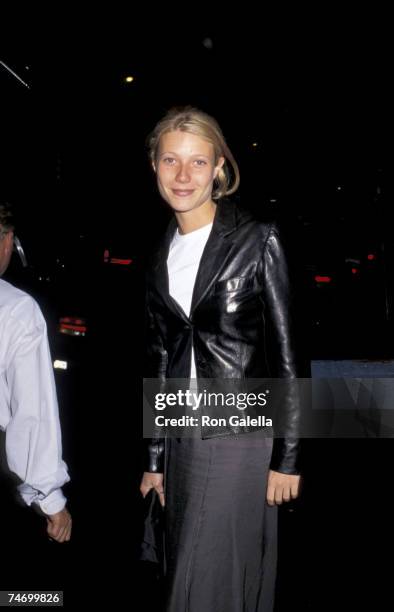
For fashion enthusiasts looking to incorporate this trend for the upcoming fall and winter season, the key lies in focusing on clean silhouettes and elevated essentials. Tailored coats, straight-leg trousers, slip dresses layered beneath structured outerwear, and sharply cut blazers form the foundation of the look. Polished leather or high-gloss finishes—seen across several recent collections—add depth and modernity to otherwise minimal outfits. The palette leans toward classic neutrals such as black, ivory, navy, and deep red, occasionally accented by metallics. Accessories should remain restrained: sleek boots, compact shoulder bags, and delicate jewelry. As designers continue to reinterpret the decade’s codes across global runways, it is increasingly clear that the quiet elegance of the 1990s will shape the tone of the season ahead.

Elie Saab Fall 2026 RTW: Sleek Surfaces and 1990s Duality
Monday, March 8, 2026
Elie Saab’s Fall 2026 Ready-to-Wear in Paris reimagined the duality of uptown sophistication and downtown edge in 1990s New York. Mist drifted across the runway, highlighting the models’ cinematic presence, but the true standout was Saab’s use of highly polished materials that appeared almost dripping wet. Whether leather or a high-shine alternative, the glossy surfaces amplified the sleekness of each silhouette, lending a liquid, modern energy to structured dresses, pencil skirts, and sculpted jackets. The effect was simultaneously sharp and tactile, a perfect marriage of elegance and urban grit.


The collection balanced this bold, wet-look aesthetic with softer, artisanal touches. Hand-painted florals, delicate embroidery, and sculpted tulip shapes contrasted with diaphanous forms, velvet puffers, and fine-gauge knits, creating tension between toughness and femininity. Accessories—from spiked heels to sleek booties—reinforced the interplay of refinement and edge, while the overall styling evoked a cinematic, 1990s-inspired rhythm that felt both nostalgic and immediately contemporary.


Saab’s work fits into a broader resurgence of 1990s references in global fashion, seen at Berlin Fashion Week with Ioannes by Johannes Boehl Cronau and at New York Fashion Week with Staud by Sarah Staudinger—herself the wife of Hollywood CEO Ari Emanuel. Across these runways, themes of 1990s fashion and film noir are transported into new contexts, showing how nostalgia can simultaneously inspire innovation and storytelling. Saab’s polished, wet-look silhouettes and the interplay of uptown and downtown energy underscore how past aesthetics continue to shape modern style, blending edge, elegance, and cinematic flair.


Twilight Utility: Hermès Refines Modern Power Dressing for Fall 2026
Saturday, March 7, 2026
At Paris Fashion Week, Hermès presented a Fall 2026 ready-to-wear collection under Nadège Vanhée that offered a clear study in the intersection of elegance and utility—an ongoing theme gaining momentum this season. Drawing inspiration from twilight, the moment when day transitions into night, Vanhée built a palette that moved gradually from glowing sunset tones into deeper reds, flashes of green, and eventually dark blues and charcoal blacks. The silhouettes reflected a similar sense of transition: streamlined and aerodynamic, with functional elements like pockets and adjustable zippers integrated into sleek tailoring. Jodhpurs referenced the house’s equestrian heritage while reinforcing the long, lean lines that defined the collection. Coats and jackets with removable shearling collars and spiraling zip constructions emphasized adaptability, highlighting a broader trend toward garments that offer both sensuality and practical control—clothing designed to shift with the wearer’s movement and mood.


From a trend perspective, the show also demonstrated how atmosphere can influence reception. The Hermès presentation stood out for its noticeably friendly environment, where smiling faces and relaxed exchanges among attendees created a sense of genuine enjoyment. In a season where many shows lean into severity or conceptual distance, the positive energy in the room underscored the appeal of collections that feel approachable while maintaining refinement. The atmosphere reinforced a growing industry shift: luxury that communicates confidence through ease rather than austerity. At Hermès, that balance of thoughtful design, functional elegance, and an inviting presentation offered a clear signal of where sophisticated ready-to-wear may be heading next.
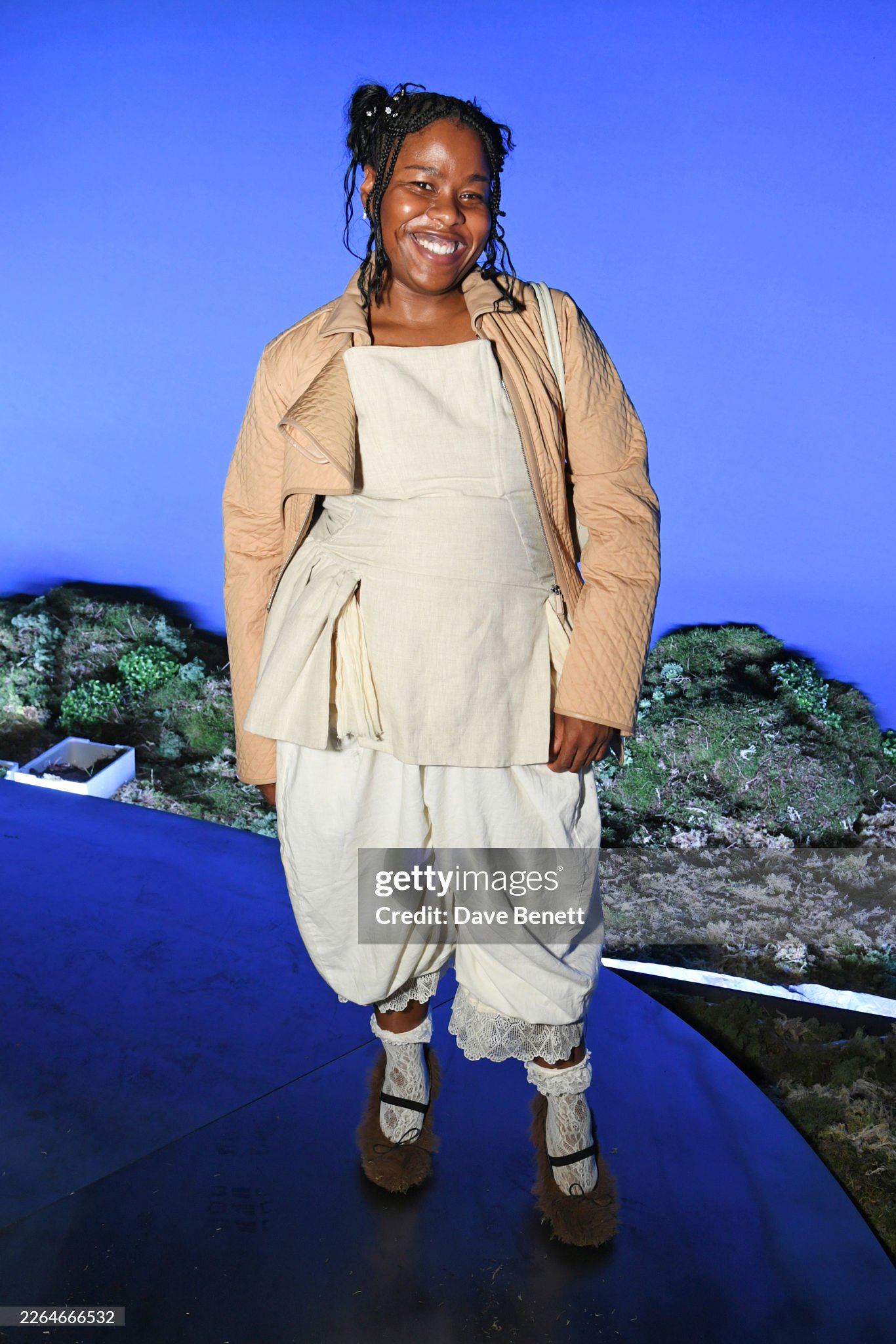
Precious Okoyomon attends the Hermès AW26 Womens Show at La Garde Republicaine on March 7, 2026 in Paris, France. (Photo by Dave Benett/Getty Images for Hermès)
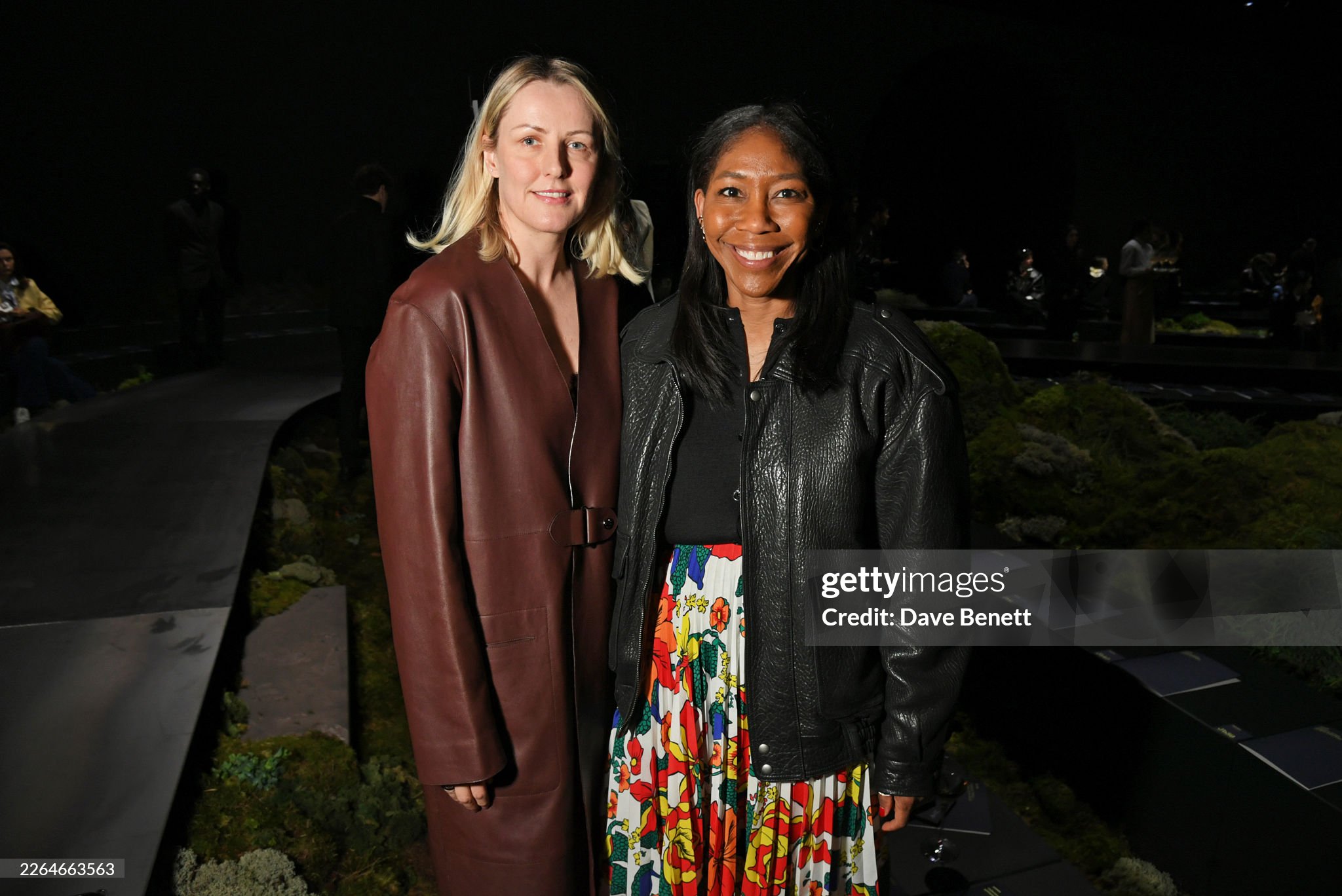
CEO of the British Fashion Council Laura Weir and Kenya Hunt, Editor-in-Chief of ELLE UK, attend the Hermès AW26 Womens Show at La Garde Republicaine on March 7, 2026 in Paris, France. (Photo by Dave Benett/Getty Images for Hermès)

Peter Giddens and Keke Palmer attend the Hermès AW26 Womens Show at La Garde Republicaine on March 7, 2026 in Paris, France. (Photo by Dave Benett/Getty Images for Hermès)

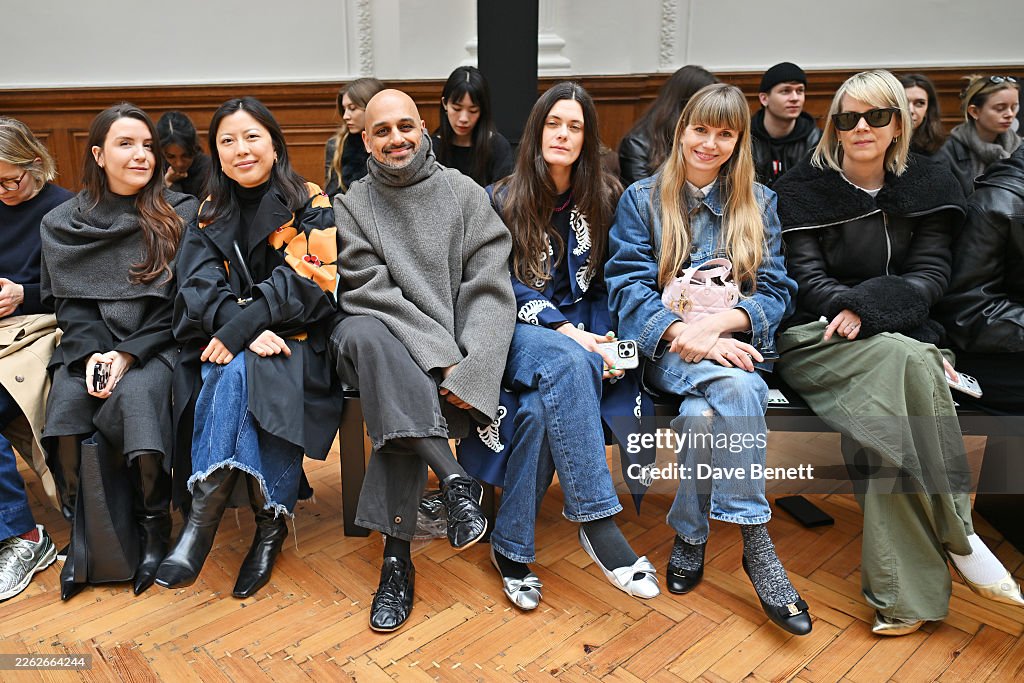
Vikram Kansara and Lauren Sherman attend the Hermès AW26 Womens Show at La Garde Republicaine on March 7, 2026 in Paris, France. (Photo by Dave Benett/Getty Images for Hermès)
The Prairie Spirit of Chloé Fall 2026
Friday, March 6, 2026

Throughout the Fall 2026 Ready-to-Wear season, Western references have quietly appeared across several runways—boots, fringe, and frontier-adjacent silhouettes surfacing here and there from New York to Paris. At Chloé, however, Chemena Kamali approached the idea from a different angle. Rather than leaning directly into Western tropes, the collection suggested something closer to a prairie sensibility: softer, more expansive, and more romantic. The prairie mood carries a different emotional tone from Western styling. Where Western fashion often signals grit, independence, and rugged mythology, prairie references feel gentler and more pastoral, evoking open landscapes and a quieter form of femininity.

Kamali layered this prairie atmosphere with the bohemian spirit long associated with Chloé. Flowing dresses, airy blouses, and relaxed silhouettes moved with a sense of ease that felt distinctly in line with the house’s heritage. The result was not a costume-like interpretation of frontier dressing but a fluid blend of prairie romanticism and bohemian freedom. The mood subtly transported the viewer to an earlier rhythm of life—an era imagined as more connected to land, light, and movement through nature, rather than to screens and digital noise. In this sense, the prairie influence becomes more than aesthetic; it suggests a temporary step away from technological intensity toward something slower and more grounded.


Colour also played a role in shifting the mood. While Chloé is often associated with delicate peaches, nude tones, and soft neutrals, this collection introduced more saturated hues that gave the prairie-inspired pieces greater visual energy. These bolder colours prevented the collection from drifting into nostalgia, instead grounding it firmly in the present. In a season where Western hints have surfaced across fashion week, Chloé offered a subtle but meaningful variation: a prairie vision that feels softer, freer, and quietly attuned to nature.


The Rise of Illuminated Fashion
Wednesday, March 4, 2026
At Anrealage Fall 2026 Ready-to-Wear by Kunihiko Morinaga, the most arresting element was not silhouette, fabrication, or tailoring—it was luminosity. Garments did not merely reflect light; they emitted it. Through programmable LED surfaces engineered to respond to projected backdrops, clothing appeared to dissolve into its environment and then reconstitute itself as streaming code or shifting pattern. The runway became less a stage for fabric and more a site of digital interface.


This “lighting up” phenomenon signals a larger directional shift in fashion: from material expression to mediated experience. Historically, embellishment relied on embroidery, beading, metallic thread—static ornamentation anchored in craft. Here, surface becomes mutable. The garment is no longer fixed; it is a screen. That distinction matters. A screen implies updateability, customization, real-time transformation. It implies that identity is not stitched but uploaded.


There is a philosophical tension embedded in this trend. Does integrating circuitry into clothing expand consciousness—allowing the wearer to project inner data outward—or does it tether the body more tightly to the digital matrix that already governs attention? When code scrolls across a dress, is the wearer empowered as transmitter, or contained as host? The answer may lie in how such technology is adopted. If programmable garments become platforms for self-authored content, they could decentralize fashion’s traditional gatekeeping. If they become pre-programmed spectacles, they risk reinforcing a spectacle economy where attention is the primary currency.


Importantly, Anrealage did not rely solely on futurist theatrics. Beneath the luminous finales were analogue references—body armor silhouettes, cybernetic detailing, and fragments of countercultural softness—suggesting a negotiation between machine and human. That duality frames the broader trend. Fashion that lights up is not merely about novelty; it is about visibility in an era where presence is increasingly virtual. In a saturated digital ecosystem, emitting light may be the ultimate form of assertion: not just being seen, but being the source of illumination.


Effort, Disguised
Wednesday, March 4, 2026
What first arrests you in Caroline Hu’s Fall 2026 Ready-to-Wear collection is not the silhouette, nor the fabrication, nor even the palette. It is the hair. Intentionally mussed, convincingly uncombed — an orchestrated “bed head” that disrupts the expected polish of the runway. Before the garments register, the styling destabilizes you. It creates a momentary visual friction: Is this unfinished? Is this rebellion? Is this intimacy made public?


After the initial jolt subsides, the eye recalibrates. Only then does the full composition come into focus. The clothing itself is not careless. It is deliberate, structured, romantic in places, technically resolved. This is not “I rolled out of bed and threw this on.” It is closer to: I want you to believe I did. That distinction is critical. The collection plays with the aesthetic of nonchalance while retaining architectural control. The disheveled hair becomes a framing device — it softens the discipline of the garments, allowing them to feel less constructed, more lived-in.


From a trend perspective, this signals an evolution in how effort is coded. For years, hyper-curation dominated luxury presentation: slick buns, lacquered finishes, perfection as proof of status. Here, imperfection becomes the visual hook. The disorder is strategic. It grants the viewer psychological entry. Instead of intimidation, there is approachability. Instead of distance, relatability. The styling invites the audience to project themselves into the look — not as an aspirational fantasy, but as a plausible extension of their own morning.


Which raises a more compelling question: What does it mean when a runway gives people permission to look undone? What does it say about cultural appetite when polish is replaced with suggestion? Is this a quiet rebellion against the performance of perfection, or simply a new performance disguised as effortlessness? When a designer signals that you are allowed to appear slightly disheveled, is that liberation — or another aesthetic to master?


Caroline Hu’s Fall 2026 offering suggests that the next phase of fashion signaling may not be about visible opulence or immaculate styling, but about curated vulnerability. The “bed head” is not laziness; it is narrative. It reframes luxury as something that can coexist with softness, fatigue, humanity. And in doing so, it subtly shifts the hierarchy of runway presentation — from spectacle to suggestion, from dominance to permission.
Presence Over Pageantry: The Moment That Defined Paris
Tuesday, March 3, 2026
At Paris Fashion Week, spectacle is expected. The Christian Dior Fall 2026 Ready-to-Wear show delivered exactly that: sculptural silhouettes, buoyant ruffles, and playful volume unfolding against an open-air backdrop. The shapes felt dynamic in motion, catching natural light and air, emphasizing the collection’s sense of lift and theatrical ease.


Yet amid the architectural tailoring and textural drama, the defining moment was not a garment. It was Adot Gak.

On an outdoor runway, where energy disperses into open space and audience reactions are less contained, presence must travel further. Gak’s smile did exactly that. It carried across the venue, cutting through the grandeur of the setting with something intimate and disarming. Where runway presentations can sometimes feel distant or severe, her expression introduced warmth. The collection, viewed through her ease, felt less like a performance and more like an invitation.


From a trend analysis perspective, this is telling. Beyond silhouettes and fabrication, there is a growing industry emphasis on emotional readability. In an era saturated with hyper-curated imagery, audiences respond to authenticity — especially in expansive, highly produced environments. An outdoor show amplifies everything: scale, spectacle, separation. To command it through openness rather than intensity signals a subtle but significant shift.

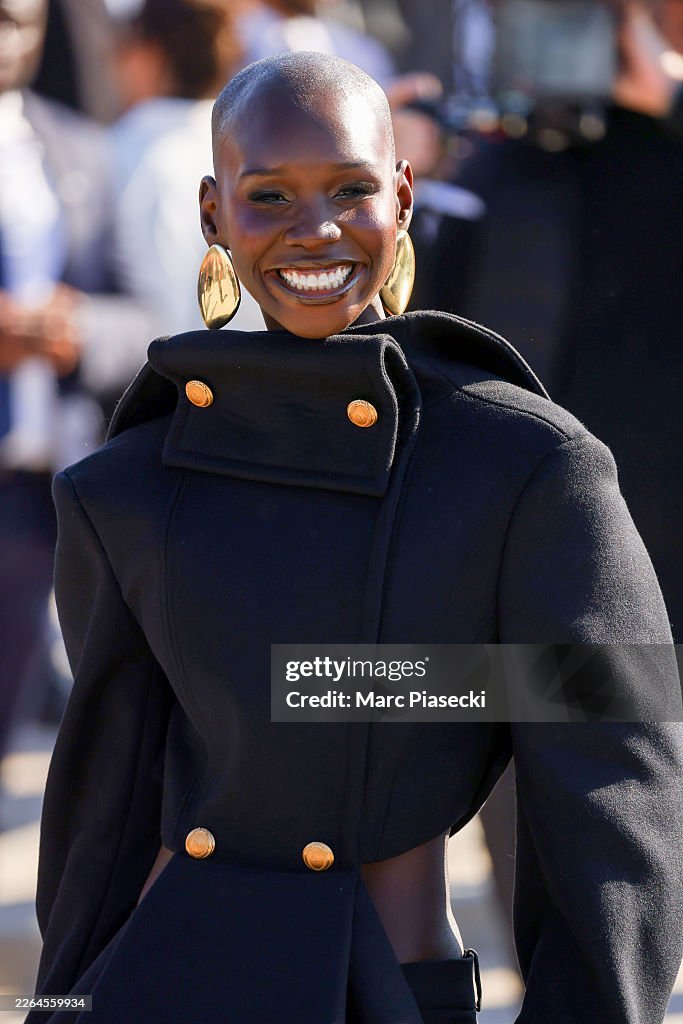
If the garments expressed volume and experimentation, Gak expressed connection. And in a season defined by bold visual statements, it was her natural presence — expansive enough to meet the scale of the setting — that ultimately anchored the show.
How Trends Get “Borrowed”
Tuesday, March 3, 2026
Composition as confession.
October 23, 2010: Kanye West – Runaway (Video Version) ft. Pusha T
February 12, 2015: Adidas Originals x Kanye West YEEZY SEASON 1 – Runway
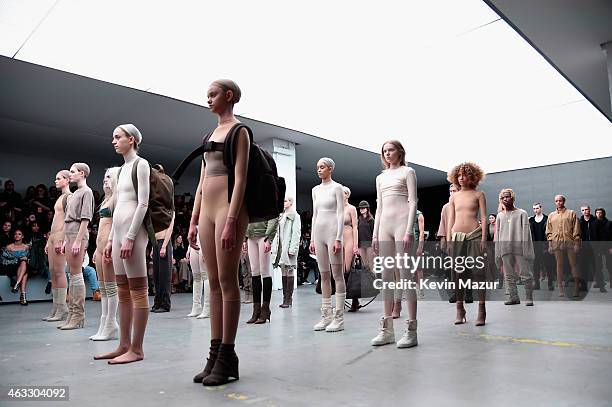
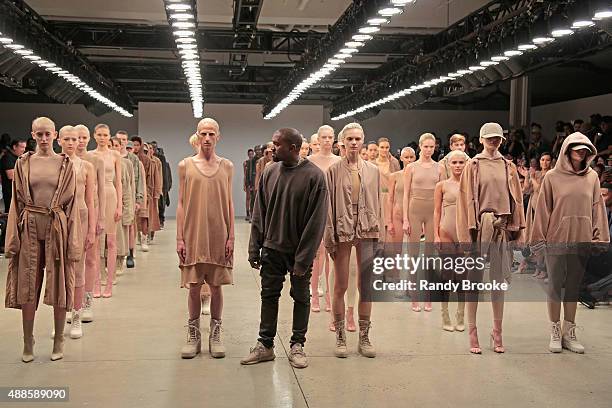
September 16, 2015: Kanye West Yeezy Season 2 – Runway
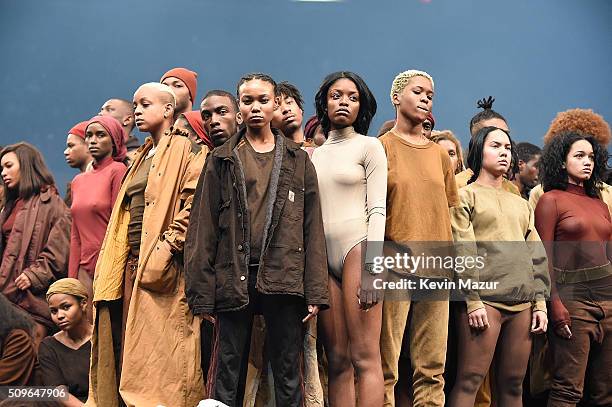
February 11, 2016: Kanye West Yeezy Season 3 – Runway
September 7, 2016: Kanye West Yeezy Season 4 – Presentation

SKIMS officially launched online on September 10, 2019…
Jan 27, 2026: NikeSKIMS Spring ’26 Collection featuring LISA
Now… full circle. Let’s review…
October 23, 2010: Kanye West – Runaway (Video Version) ft. Pusha T
Capital, Code, and Culture: How AI Investment Is Rewriting Trend Analysis
Tuesday, March 3, 2026
When investors shape infrastructure, they shape culture. Mark Cuban is a strategic partner and investor in Radical Ventures, one of the world’s leading venture capital firms focused exclusively on artificial intelligence. Radical was co-founded by Jordan Jacobs, who also co-founded the Vector Institute, a premier AI research hub. This alignment is not about surface-level tech enthusiasm — it is about financing the pipeline that moves advanced AI research from PhD laboratories into commercial systems that reshape industries. Fashion, whether it recognizes it or not, is already inside that system.
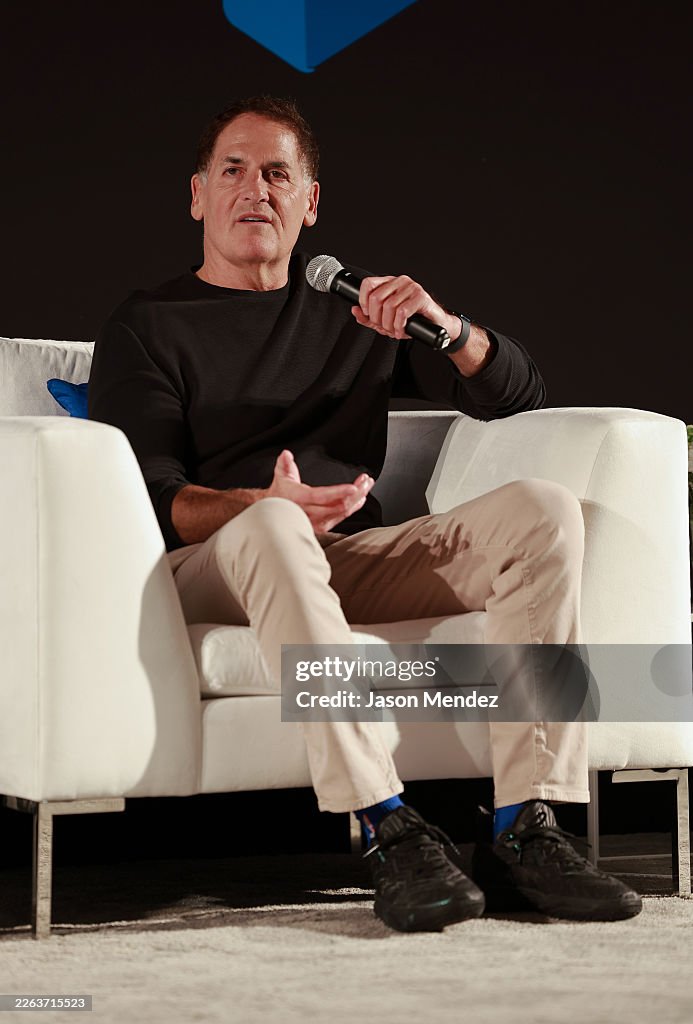
Through this partnership, Cuban is not funding a classroom initiative; he is backing the commercialization of deep-tech AI — machine learning architectures, predictive modeling systems, and large-scale data analysis frameworks capable of detecting patterns long before they become visible to the naked eye. For fashion, this has profound implications. Trend forecasting historically relied on intuition, runway observation, cultural anthropology, and retail sell-through reports. Now, AI systems ingest social media velocity, search data, purchase behavior, textile supply chain inputs, influencer network graphs, and macroeconomic indicators simultaneously. The result is not just faster forecasting — it is probabilistic modeling of why certain aesthetics are gaining traction.
AI-backed venture capital accelerates the feedback loop between culture and commerce. Algorithms can identify micro-signals — a rising color cluster across geographically distinct cities, a silhouette gaining engagement among a specific demographic cohort, or a material resurfacing in resale markets — before traditional forecasters register momentum. More importantly, these systems analyze causation, not just correlation. Is a Western-inspired revival trending because of festival circuits? Because of celebrity styling networks? Because of economic nostalgia cycles? Because of algorithmic amplification on short-form video platforms? Deep-tech AI parses these variables and assigns weighted influence.
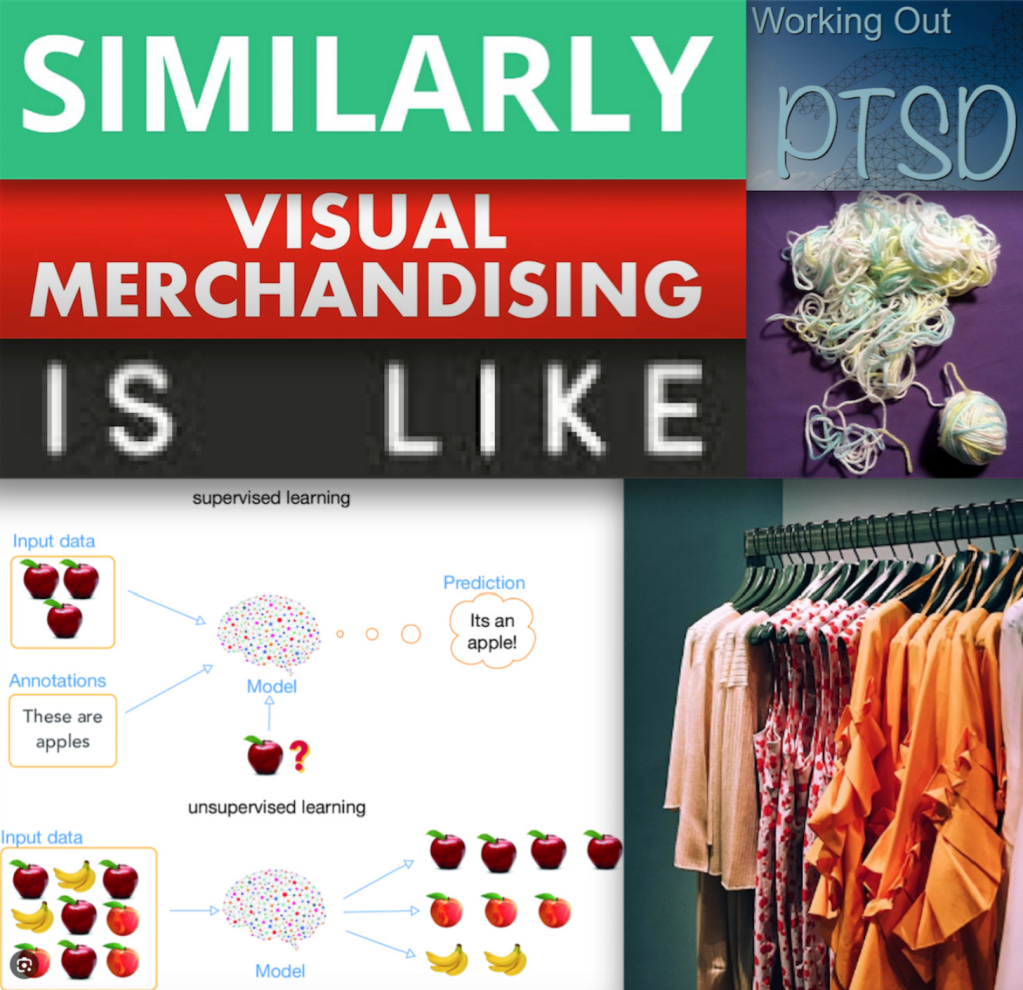
For trend analysis, this marks a structural shift. Trends no longer move in purely organic waves; they are tracked, measured, stress-tested, and sometimes strategically amplified. AI does not create taste, but it maps the velocity of desire. It can model how 90s minimalism re-emerges during economic tightening, how early-2000s “effortless chic” correlates with digital escapism, or how chromatic contrast spikes when visual platforms prioritize bold, high-engagement imagery. Investors like Cuban, through vehicles such as Radical Ventures and its research ties to the Vector Institute, are effectively underwriting the analytical infrastructure that explains not only what is trending — but why.
In this environment, fashion becomes data-responsive. Brands that leverage advanced AI tools can predict inventory demand, reduce overproduction, identify subcultural incubation zones, and respond to shifts in sentiment in near real time. Trend analysis evolves from retrospective commentary to forward-looking modeling. Capital fuels research; research fuels systems; systems decode culture. The runway may still capture imagination, but increasingly, the algorithm captures the signal first.
Paris Fashion Week Begins: What Will Define the Week Ahead?
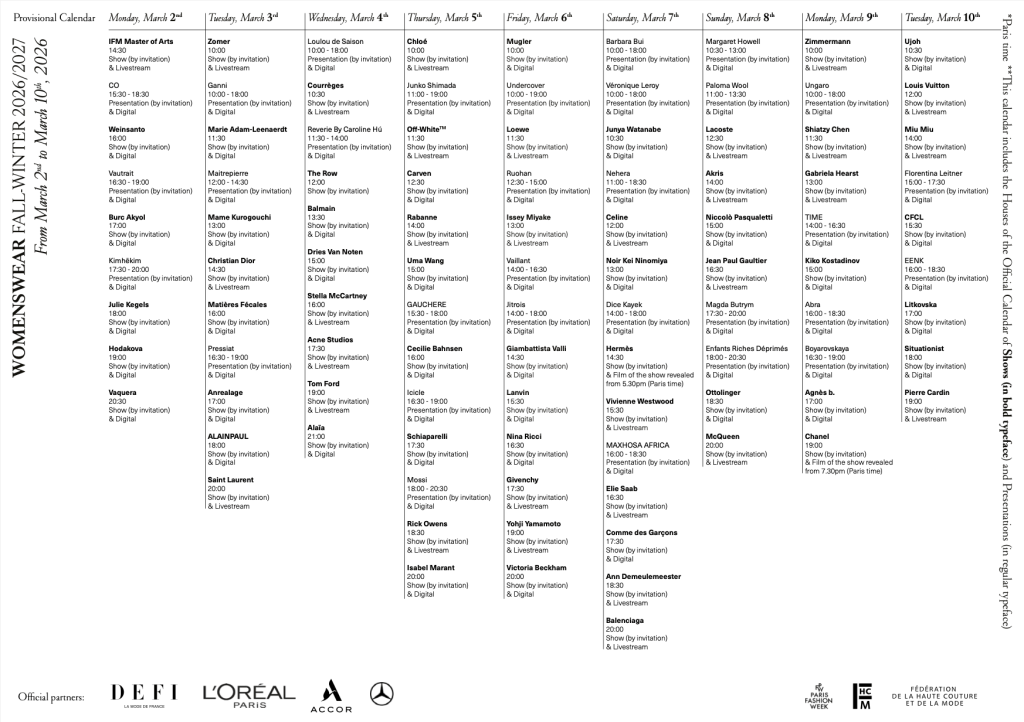
Monday, March 2, 2026
Paris Fashion Week is now underway, running from March 2 through March 10, and the industry’s attention turns to the final chapter of the Fall/Winter season — where emerging ideas either crystallize into defining trends or quietly recede. After a month of shows across New York, Berlin, Copenhagen, London, and Milan, a pattern of recurring themes has begun to surface: ’90s nostalgia expressed through pared-back tailoring, early-2000s effortless chic in slinky silhouettes and low-key glamour, Western references reimagined through modern minimalism, bold chromatic contrasts, and gloves reemerging as statement accessories rather than mere afterthoughts.
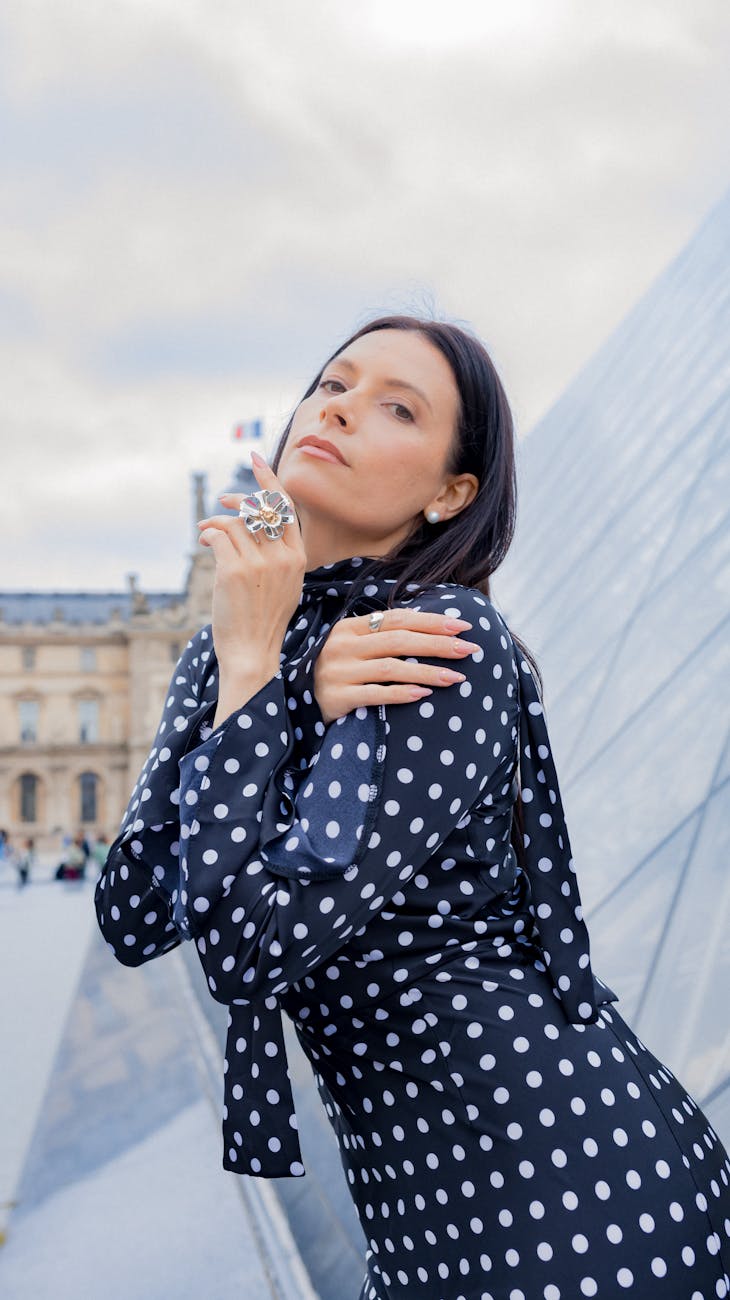
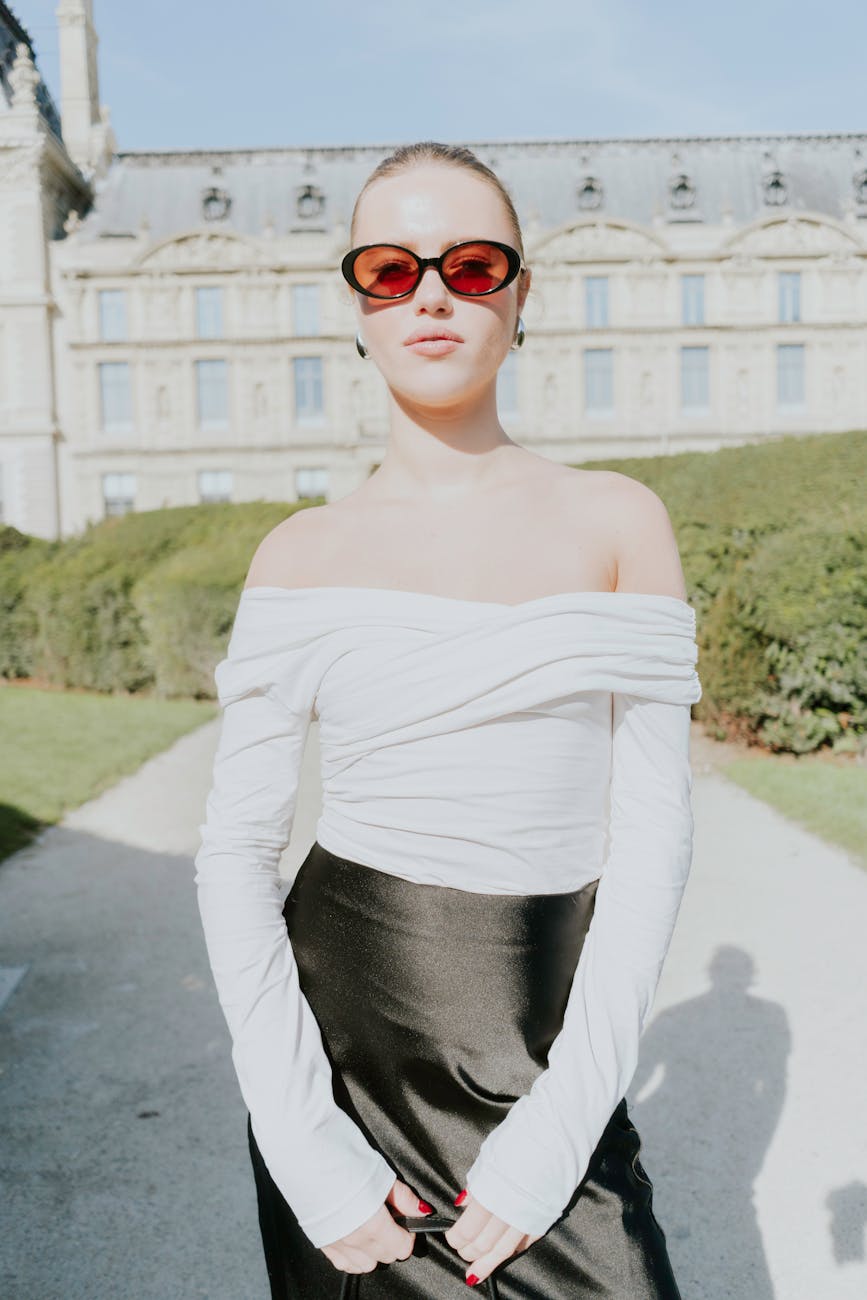
The question now is how Paris will respond. Will the city refine these ideas into something more architectural and restrained, or introduce an unexpected counterpoint that shifts the narrative entirely? As the shows unfold, consider what you’re noticing: which trends feel persistent, which feel transformed, and which new details begin to surface. What do you think will define Paris this season — and which influences from earlier fashion weeks do you expect to carry through, evolve, or disappear altogether?
Chromatic Drift: Pink to Brown in Motion
Sunday, March 1, 2026
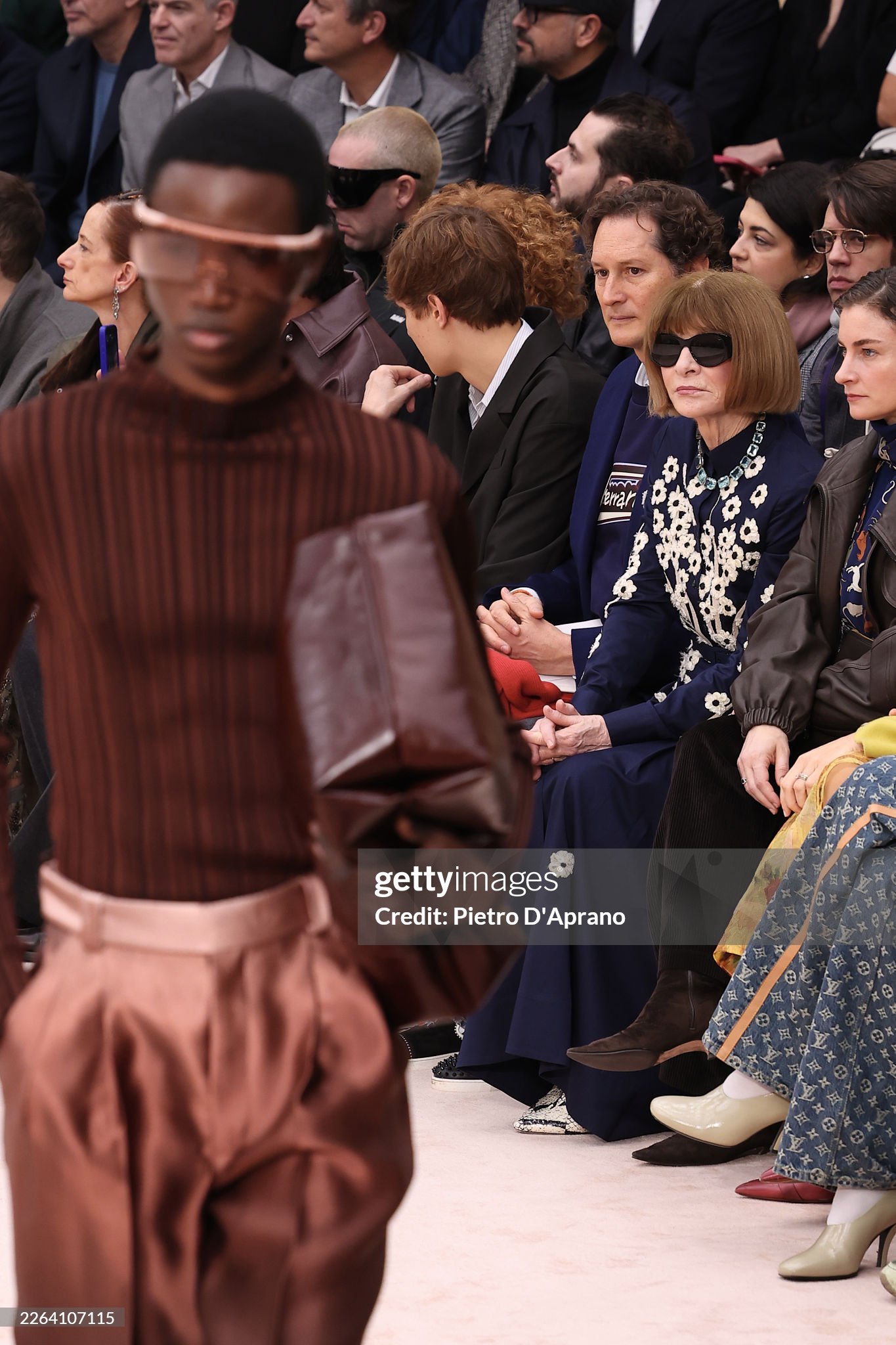
Ferrari’s Fall 2026 ready-to-wear collection at Milan Fashion Week revealed the quiet power of a gradient that moves from delicate light pink into rich chocolate brown, unfolding across silk and satin with fluid, atmospheric grace. The transition appeared on streamlined trousers and an elongated skirt with matching jacket, where the lustre of the fabrics allowed colour to shift with movement and light, creating a surface that felt immersive rather than decorative. Blush tones dissolved into cocoa across the garments in a seamless wash, producing a visual rhythm that was calm, enveloping, and simply beautiful. By allowing tone and texture to carry the look, Ferrari demonstrated how a single, continuous transition can hold attention through subtlety alone.

This pink-to-brown progression reflects a growing trend toward chromatic storytelling in luxury fashion, where colour expresses emotional balance rather than seasonal novelty. The interplay of softness and grounding — airy rose dissolving into earthy brown — speaks to a contemporary desire for harmony: lightness held within depth, vulnerability anchored by strength. On silk and satin tailoring, the gradient creates continuity from piece to piece, offering a sense of calm sophistication that feels both modern and enduring. Its beauty lies in restraint, suggesting that the future of elegance may be found not in excess, but in the gentle evolution of tone across a collection.

Spotlight: The Bow and the Quiet Language of Attention
Saturday, February 28, 2026

Bows are reappearing in fashion with a discretion that invites interpretation rather than announcement. They rest at the collarbone, anchor the back of a dress, or fasten a sleeve with a softness that feels deliberate but not declarative. For those beginning to tune into the subtleties of dress, the bow poses a quiet question: is it merely decorative, or is it guiding the eye toward something more intentional — a pause, a gesture, a moment of awareness embedded in fabric?

Luxury houses are helping frame this dialogue by elevating the bow from embellishment to focal point. At LoveShackFancy, for instance, an entire curated offering titled “The Bow Edit” gathers pieces where ribbons and ties function as the visual and emotional center of the garment. By isolating and naming the motif, the brand encourages a closer reading of design — suggesting that the bow is not incidental, but a considered choice that shapes how a piece is perceived and how the wearer is understood.
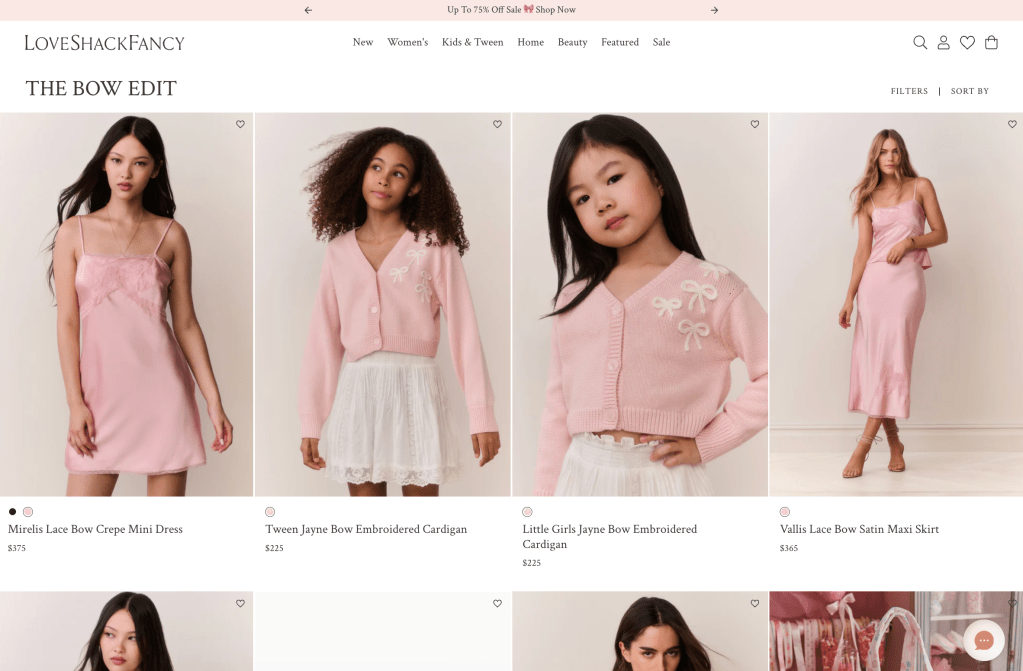
What makes the bow compelling in this moment is its ambiguity. It can signal softness without fragility, nostalgia without regression, and femininity without prescription. A bow may appear performative, a stylized nod to tradition; it may feel ambiguous, resisting a single meaning; or it may draw attention to a broader cultural shift toward mindfulness in presentation. In this way, the bow operates less as ornament and more as a quiet device of awareness — an invitation to look twice, to consider intention, and to recognize that even the smallest detail can carry the weight of perception.
From Yeezy to Gucci: Ye and Bianca Censori’s Milan Influence
Friday, February 27, 2026

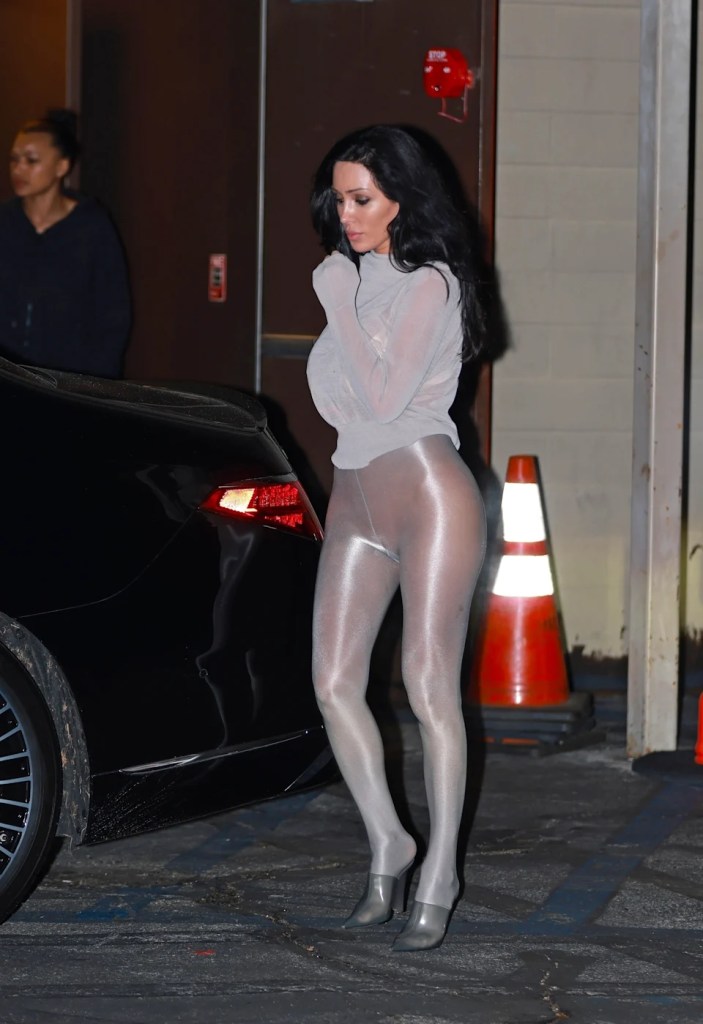
Ye, the artist formerly known as Kanye West, continues to shape contemporary fashion with a vision that blends minimalism, utility, and psychological resonance. Season after season, his Yeezy shows popularized a palette of Naturalized Neutrals—soft mineral beiges, muted browns, ash greys, and desaturated earth tones—turning subtlety into a statement of modern luxury. These colours, paired with body-conscious knits and utilitarian silhouettes, reframed fashion as tactile and elemental, emphasizing the wearer as the locus of expression rather than the garment itself. Beyond palette, Ye’s influence extends through his collaborations, particularly with Bianca Censori, his muse and co-creator of styling concepts that foreground the body as a canvas, often experimenting with sheer layering, tights, and reductive looks that dissolve traditional boundaries between lingerie, outerwear, and performance.
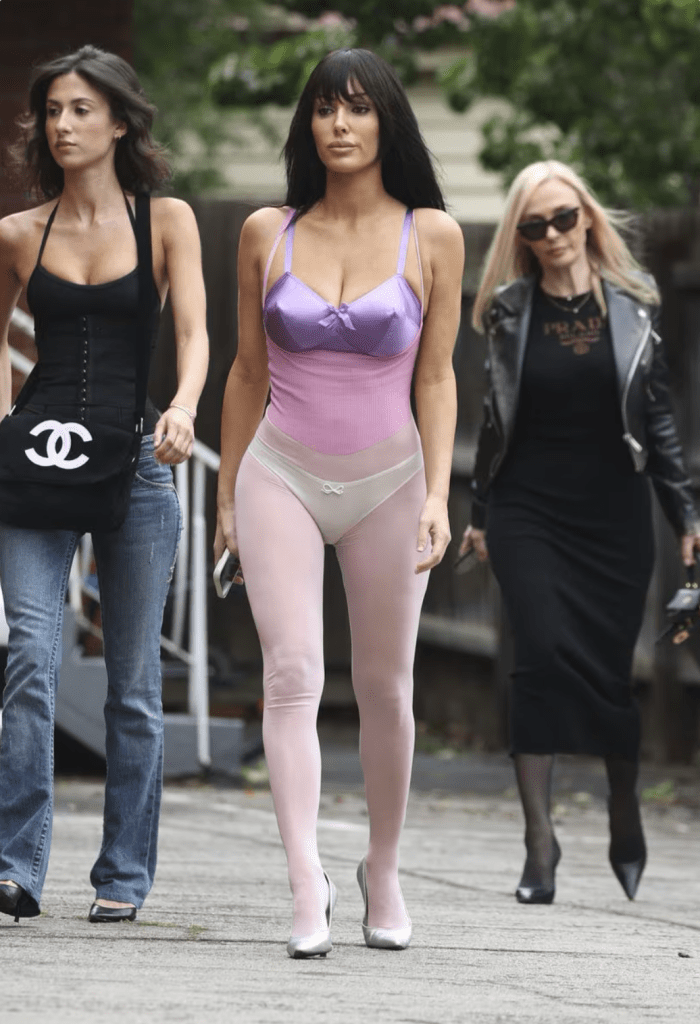
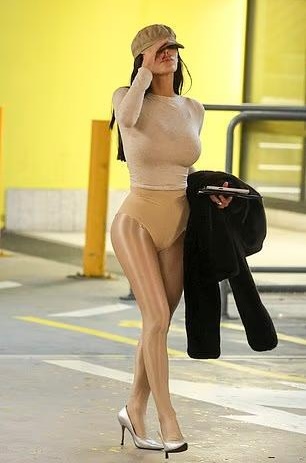
This approach’s impact resonates beyond Yeezy’s own runway. Nearly a year after Demna assumed creative leadership at Gucci, his debut collection revealed clear echoes of Ye and Censori’s aesthetic: tights-only ensembles, structural hosiery with functional details like buttons, zippers, and belt buckles, and minimalistic silhouettes that prioritize presence and posture over ornamentation. By translating avant-garde experimentation into the lexicon of an established fashion house, Demna demonstrates the diffusion of Ye’s stylistic language—from spectacle to normalized high fashion—where the body itself becomes the primary site of artistic intent and psychological narrative. These visual choices are not merely provocative; they embody a philosophy of clarity, visibility, and authenticity, reinforcing how clothing can act as both statement and instrument of perception.


As the world watches, Ye and Censori continue to redefine what it means to dress with intention. Their collaborative experiments—whether in monochrome neutrals, layered transparency, or structural hosiery—challenge expectations while inviting reflection on the relationship between body, identity, and visual storytelling. Each runway moment or street appearance becomes a living laboratory for perception, demonstrating that style can articulate psychological nuance and cultural insight simultaneously. In an era increasingly defined by immediacy and overstimulation, Ye’s enduring influence reminds us that true innovation often emerges from clarity, restraint, and the courage to reimagine the familiar in entirely new terms.


No. 21 Fall 2026: Fashion as a Luminous Expression of Kindness and Joy
Thursday, February 26, 2026

At Milan Fashion Week, No. 21’s Fall 2026 Ready-to-Wear collection by Alessandro Dell’Acqua arrived with the emotional cadence of an unexpected gift — polished, luminous, and quietly celebratory. Dresses and skirts were adorned with bold, statement bows, perched like ribbons atop presents under a holiday tree, demanding attention and radiating joy. Metallic finishes caught the light like wrapping paper in winter glow, while every gesture of styling suggested anticipation and care, as if the garments were prepared for a ceremonial unveiling. In a season often dominated by conceptual austerity, Dell’Acqua reframed adornment as an act of generosity: a reminder that dressing can still hold the thrill of discovery and the warmth of human connection.


From a trend perspective, the collection signals a potential recalibration within luxury fashion: a movement away from irony and toward sincerity. Metallic textiles functioned less as spectacle and more as emotional reflectors, amplifying light and, symbolically, optimism. The statement bows, far from delicate, were celebratory markers that evoked the ritual of giving and receiving. In an industry saturated with visual noise and accelerated consumption, this approach suggests that joy itself may become the ultimate differentiator. No. 21 reminded the fashion world that the luxury of dressing up is most powerful when it comes from love, kindness, and positive energy — when self-presentation is a luminous ritual rather than a mere performance.


Diesel Fall 2026 Ready-to-Wear: Noise, Ownership, and the Milan Spectacle
Wednesday, February 25, 2026
At Milan Fashion Week, Diesel’s Fall 2026 Ready-to-Wear show, under the direction of Glenn Martens, unfolded less like a traditional runway and more like a sensory landscape — a deliberately disorienting environment that mirrored the overstimulation of contemporary life. Speaking pre-show, Martens described a morning-after scenario: dressing in haste, dishevelled yet self-assured, stepping into the world without a mirror but radiating confidence. That sentiment translated into a spectacle saturated with visual “noise”: pinks and pale blues pulsing through a surreal backdrop populated by gas pumps, oversized ice cream cones, animals, rockets, martini glasses, mystical figures, and absurdist tableaux that felt at once playful and overwhelming.
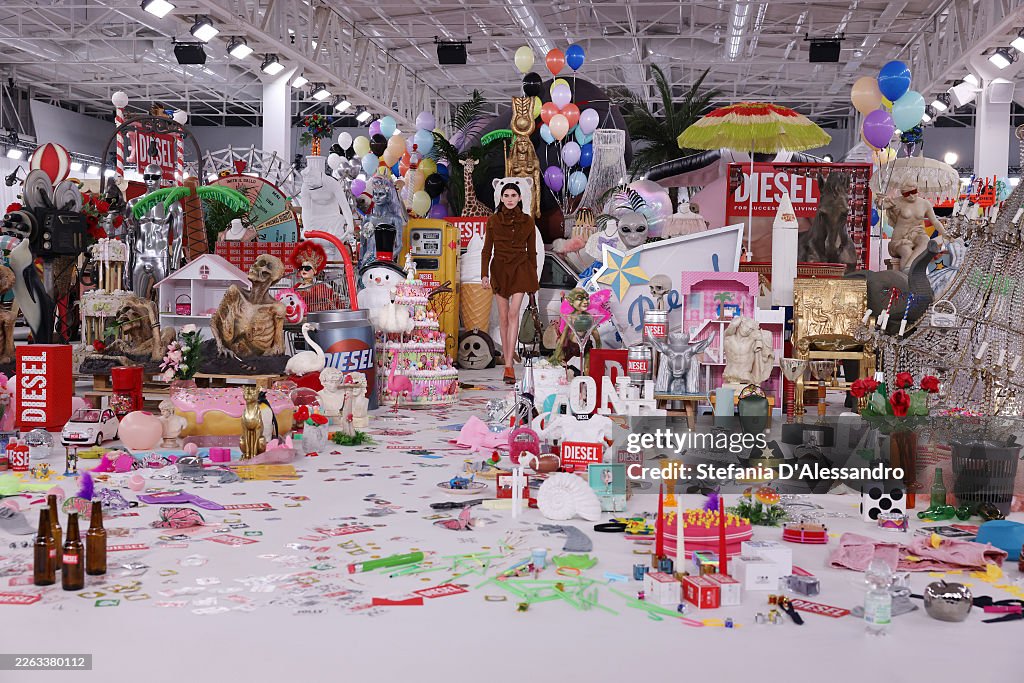
The atmosphere evoked the texture of social media feeds — endless scrolls of competing stimuli, novelty layered upon novelty, meaning diluted by volume. In this context, the show posed an unspoken question to fashion observers and digital citizens alike: do you contribute to the noise, dissolve into it, or rise above it? Intriguingly, even the loudest looks — distressed layers and exaggerated silhouettes — appeared to merge with the backdrop rather than dominate it. The implication is telling: in an era defined by saturation, adding more visual intensity no longer guarantees distinction. Instead, excess becomes camouflage.


This tension suggests a macro-trend extending beyond garments to the psychology of presentation. Ownership, as Martens framed it, is not about perfection but about presence — the confidence to inhabit one’s narrative amid chaos. The Milan staging underscored that authenticity, not amplification, is what cuts through. In a world crowded with signals, the true differentiator may not be who shouts the loudest, but who remains legible when everything else dissolves into noise.


Before the Reveal: Milan and the Art of Anticipation
Tuesday, February 24, 2026
As Milan Fashion Week approaches, the city stands poised once again to shape the global fashion conversation. Editors, buyers, and observers arrive not merely to catalogue hemlines and palettes, but to witness how Milan interprets the present moment through materiality and meticulous workmanship. Yet this season invites a different kind of engagement: rather than scanning for familiar signals, we might allow the collections to unfold without preconception, resisting the urge to define what has not fully revealed itself.
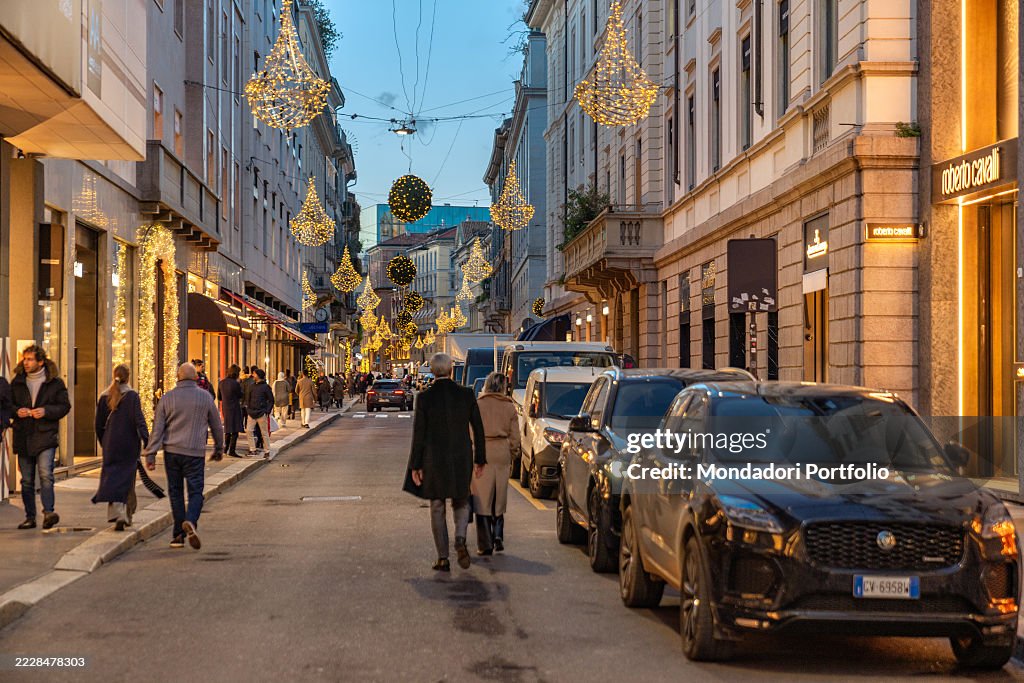
What if the most compelling shifts are those we do not yet have the language to describe? Milan’s influence has always resided in its ability to clarify rather than declare — to refine instincts into something precise, considered, and quietly persuasive. As the shows commence, the question is not what trends will emerge, but how the city will once again recalibrate our collective eye, leaving us to recognise the change only once it has already taken hold.
The Puzzle Piece Earrings Everyone’s Wearing
Tuesday, February 24, 2026
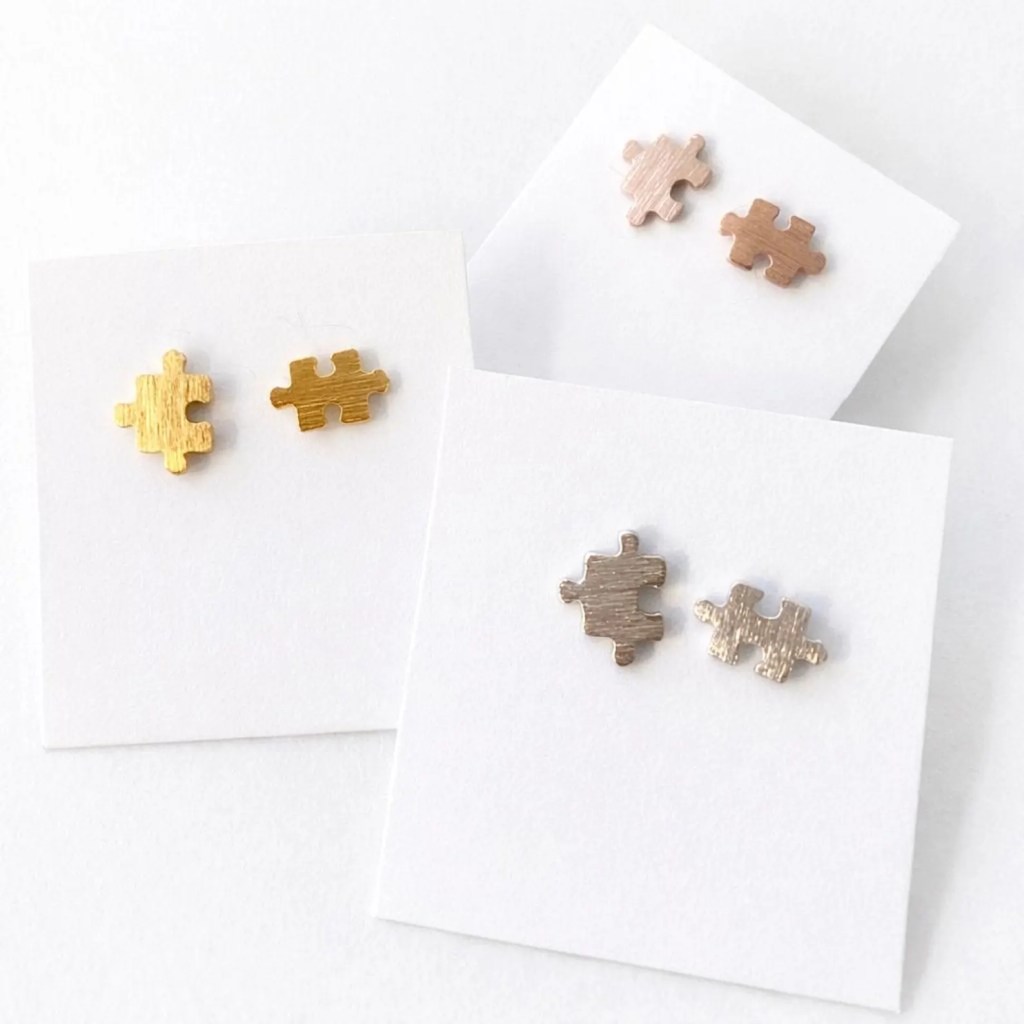
Puzzle‑piece stud earrings are emerging as a subtle yet compelling trend this season, marrying playful symbolism with minimalist polish. Seen across street style and fashion editorials alike, these petite accessories nod to individuality and connection — each “piece” suggesting both personal identity and the idea of fitting into something larger. Their clean lines and versatile scale make them perfect for everyday wear, whether paired with tailored suiting or relaxed denim, and their visual intrigue elevates even the simplest outfit. As fashion continues to embrace jewellery that feels both meaningful and effortless, puzzle‑piece studs have positioned themselves as a go‑to choice for those seeking accessories with a quiet, contemporary edge.
Winter Trend Analysis: Neutral Socks with Flats
Monday, February 23, 2026

This winter, the pairing of flats with socks in neutral tones — soft greys, warm ivories, and crisp whites — has emerged as a defining styling shift, blending practicality with quiet refinement. Once considered purely utilitarian, visible socks are now a deliberate layering device, softening the line of minimalist footwear such as ballet flats, loafers, and Mary Janes. The palette is key: muted hues create continuity within winter wardrobes dominated by wool coats, tailored trousers, and tonal knitwear, allowing texture rather than colour contrast to carry the visual interest.

Beyond aesthetics, the trend signals a broader movement toward understated comfort and considered dressing. Neutral socks provide insulation without disrupting a streamlined silhouette, making flats viable even in colder months. The effect is subtly nostalgic yet modern — a nod to school-uniform classics reinterpreted through a minimalist lens — and it aligns with fashion’s ongoing preference for restraint, longevity, and tonal cohesion.
Modular Glamour: Eveningwear Designed for Repeat Presence
Thursday, February 19, 2026
Reem Acra’s Fall 2026 collection highlights a pivotal shift in how eveningwear is conceived and consumed: garments are no longer destined for a single appearance. Through detachable faux fur and feather accents, gowns become modular — capable of transformation rather than obsolescence. A dress can enter a formal setting with dramatic sleeves or a plush neckline, then reappear later in a pared-back form that feels entirely new. This adaptability reframes occasionwear from a one-time spectacle into a lasting wardrobe asset, aligning luxury with longevity rather than disposability.


The trend reflects a growing consumer desire to justify investment through versatility. In an era defined by constant documentation and rapid image circulation, the fear of being “seen twice” in the same look has long discouraged repeat wear. Modular design disrupts that paradigm, allowing wearers to reinterpret a single garment through interchangeable elements that shift mood, silhouette, and level of formality. Eveningwear thus becomes a creative system rather than a static object — a staple that supports multiple identities and occasions while reinforcing a more sustainable, emotionally satisfying approach to luxury.


Fashion as Psychological Armor: Alejandro Gómez Palomo’s “Limbo“
Thursday, February 19, 2026
Alejandro Gómez Palomo’s collection, Limbo, reflects a broader shift in fashion’s purpose. In a world marked by uncertainty, clothing is no longer purely decorative; it has become a tool for psychological support. Structured silhouettes, precise tailoring, and considered textures provide wearers with poise, emotional grounding, and a sense of control.


The collection demonstrates how luxury and creativity can coexist with intentionality. Architectural shapes and subtle details allow the body to create drama while maintaining balance, offering expression without chaos. In this context, fashion acts as a stabilizing force, helping individuals navigate unpredictability with clarity and confidence.


Palomo’s work points to a trend where garments are designed to support the wearer emotionally as much as aesthetically. In uncertain times, fashion becomes a framework for resilience — a way to project identity, channel energy, and experience both beauty and structure in harmony.


Analog Echoes: How Designers Are Reclaiming Pre-Digital Influence Through ’90s Memory
Tuesday, February 17, 2026
The throughline between STAUD’s Fall 2026 collection and presentations like Johannes Boehl Cronau at Berlin Fashion Week is not merely nostalgia for the 1990s—it is a recalibration of how influence itself is remembered and reinterpreted. Designers who came of age before social media are revisiting a time when style circulated through lived experience: street observation, subcultural affiliation, magazines passed between friends, and the slow accumulation of personal references. What emerges on today’s runways is not a literal revival, but a memory-driven aesthetic, where garments feel discovered rather than algorithmically prescribed.
STAUD FALL 2026 READY-TO-WEAR

STAUD’s intuitive layering, print clashes, and relaxed silhouettes embody this shift. The collection does not replicate ’90s minimalism; it reconstructs the feeling of dressing in that era—when outfits were assembled from what was available, loved, and repeatedly worn. Similarly, Cronau’s Berlin presentation channels the rawness of pre-digital influence, where regional scenes and everyday encounters shaped style more profoundly than global feeds. Together, these approaches signal a broader trend toward analog authenticity: fashion that privileges personal history, tactile experience, and emotional resonance over trend cycles accelerated by screens.


This movement also reflects a subtle resistance to the homogenizing effects of digital culture. By recalling a time when influence was local, embodied, and imperfect, designers are reintroducing irregularity and individuality into contemporary dress. STAUD’s material contrasts, enduring outerwear, and textured motifs suggest clothing meant to be lived in and remembered—pieces that accrue meaning over time rather than chasing instant visibility. In this context, the ’90s revival is less about decade-specific codes and more about reclaiming a slower, more intimate relationship with style, where influence is not consumed but encountered.


Faith on the Runway
Sunday February 15, 2026
Anna Wintour’s editorial influence has long shaped the global fashion landscape, guiding what designers, buyers, and audiences perceive as relevant, aspirational, and culturally significant. Her vision for elevating concept-driven ensembles has indirectly paved the way for designers to explore faith-inspired fashion, turning religious motifs and ecclesiastical references into high-fashion statements that are both bold and wearable.

This influence can be seen in collections such as LaQuan Smith’s Fall 2026 Ready-to-Wear, where silhouettes and materials subtly echo ceremonial and devotional aesthetics, translating religious inspiration into contemporary glamour. Similarly, Francesco Scognamiglio’s Spring 2026 Couture demonstrates how faith can inform draping, embroidery, and intricate detailing, creating garments that feel like portable devotion—where belief itself becomes part of the visual story.

The cultural significance of these ensembles lies in their confidence: wearing faith in fashion is not symbolic alone, but a statement of identity and presence. Wintour’s broader editorial shaping—her emphasis on narrative, personality, and editorial drama—has normalized the idea that fashion can carry meaning beyond style, encouraging designers and audiences alike to embrace personal or religious narratives in their wardrobe.
Ultimately, this trend marks a global movement toward meaningful fashion, where conviction, religion, and aesthetic innovation intersect. By creating an environment in which bold statements are not just allowed but celebrated, the contemporary fashion ecosystem is now receptive to looks that are unapologetically inspired by faith, merging reverence, artistry, and runway allure.
The Effortless Revival: How 7 For All Mankind Channels Early-2000s Nonchalance
Sunday, February 15, 2026
If the early 2000s taught us anything, it was that true style could look effortless yet impeccable. Icons like Mary-Kate Olsen, Kate Moss, and Sienna Miller mastered this paradox: slouchy jackets, layered basics, and understated accessories that somehow read as utterly chic. 7 For All Mankind’s latest collection, under the direction of Nicola Brognano, revisits that era, blending casual ease with carefully considered detail.
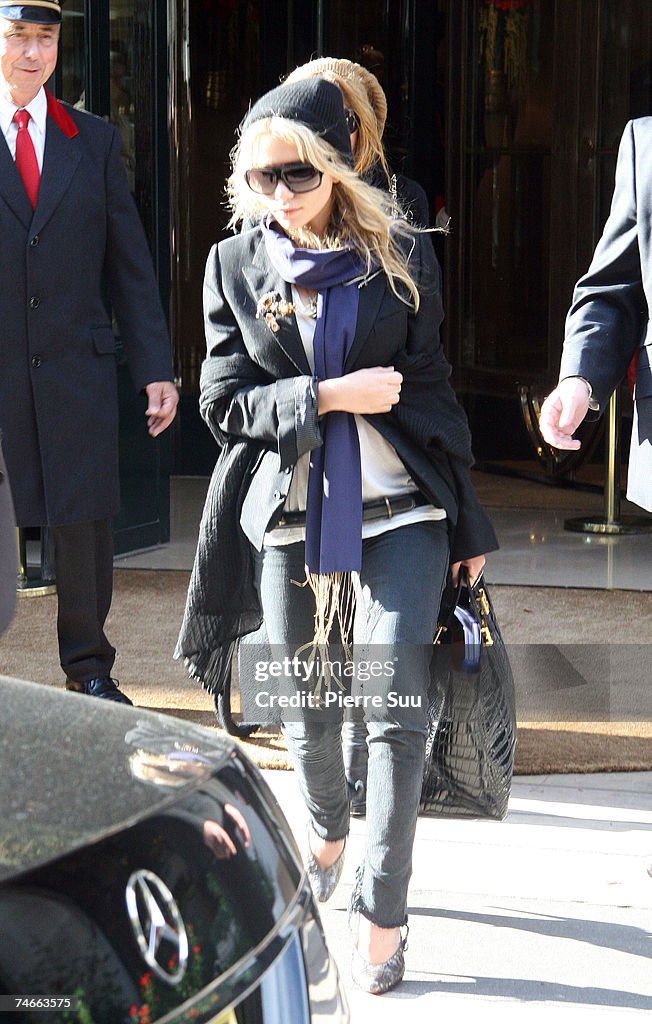

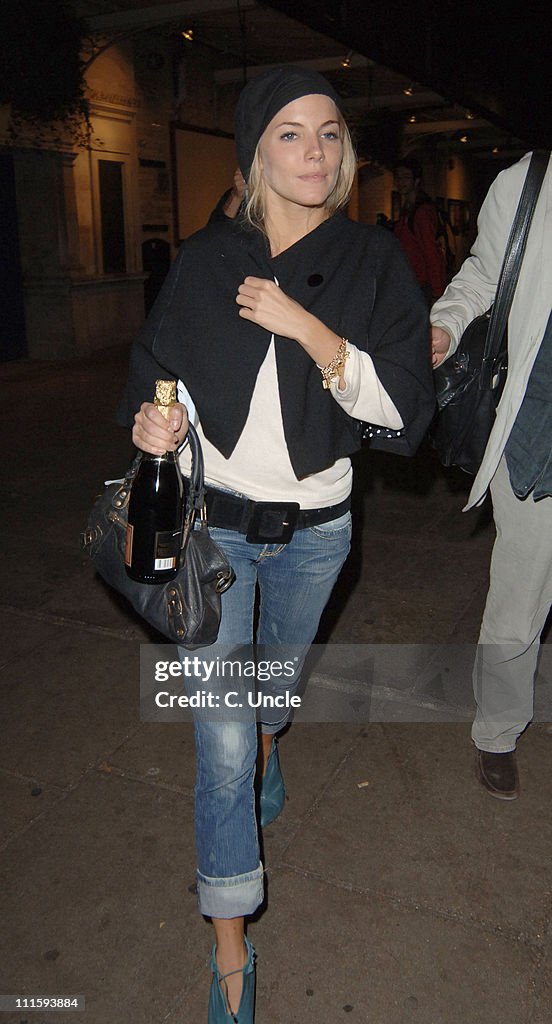
Brognano’s debut runway signals a subtle shift for the brand. While denim remains the foundation, the collection experiments across knits, leather, and elevated accessories, suggesting that nonchalance can coexist with refined craftsmanship. Models were layered in textures, with scarves, slouchy outerwear, and high-waist skinny jeans, evoking a sense of personal style that feels spontaneous but intentional.


The aesthetic is anchored in attitude. Like the women who inspired it, the pieces convey a “threw-this-on” sensibility without sacrificing sophistication. Platform shoes, statement jewelry, and slightly undone silhouettes nod to the early-2000s club-girl and indie scenes, while still reading modern and wearable.


By combining stylistic references to the early-2000s with contemporary reinterpretation, 7 For All Mankind under Brognano emerges not merely as a heritage denim label, but as a platform for reimagining effortless chic for today’s market, proving that revisiting the Y2K spirit requires not polish, but confidence, attitude, and just a hint of nostalgia.
The Luxury of Quiet: Why Cloud Dancer Defines 2026
Saturday, February 14, 2026
Pantone’s 2026 Color of the Year, Cloud Dancer, emerges as a response to a cultural moment shaped by overstimulation, digital saturation, and a collective search for clarity. Rather than a bold, attention-seeking hue, this airy white reflects a global desire to slow down, simplify, and reconnect with what feels authentic. Its selection reinforces Pantone’s broader mission to translate cultural mood into a color language that resonates across design disciplines and everyday life.
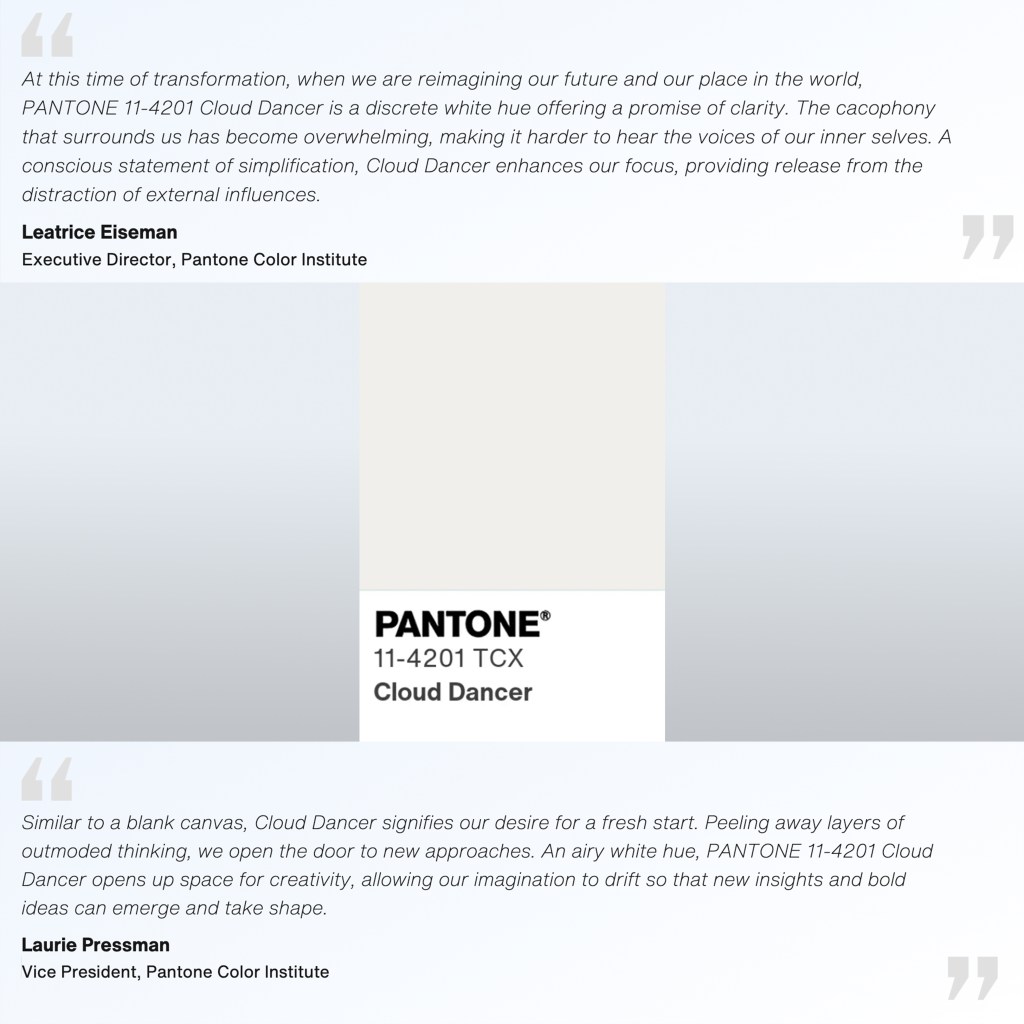
Cloud Dancer signals a shift toward intentional living. As individuals step back from constant noise and productivity pressures, the hue evokes mental spaciousness and emotional reset. Its soft, vaporous presence suggests a clearing of visual and psychological clutter—an invitation to pause, reflect, and restore balance between technological immersion and human connection. Here, white functions not as absence but as possibility: a blank field that encourages new ways of thinking, creating, and relating.
From a design standpoint, Cloud Dancer operates as a structural neutral with unusual expressive power. It harmonizes with saturated tones, softens contrast, and creates environments that feel breathable rather than overwhelming, whether in fashion or interiors. This adaptability aligns with contemporary preferences for modular wardrobes and flexible spaces that evolve over time. Ultimately, the hue reflects a collective aspiration for peace, unity, and measured living—where clarity becomes a form of luxury and quiet becomes a form of strength.
Quiet Meets Loud: Controlled Contrast in Norma Kamali Fall 2026
Friday, February 13, 2026
Norma Kamali’s Fall 2026 collection signals a broader trend toward curated contrasts in contemporary ready-to-wear, using a combination of quiet and loud elements to define mood and relevance. The line balances grounded neutrals—soft ivories, black, and chocolatey tones—with tactile highlights like oversized leopard prints, creating a visual rhythm that feels deliberate without being maximalist. Strategic pops of red punctuate select pieces, energizing the palette and drawing attention to key silhouettes. This interplay between restrained backgrounds and flashes of intensity reflects a wider runway movement in Fall 2026, where contrast, rather than accumulation, becomes the driver of impact and expression.

Texture and surface treatments further reinforce this trend. Shaggy finishes, reflective fabrics, and quilting introduce tactile variation that elevates otherwise familiar shapes, showing that innovation can occur through materiality rather than structural reinvention. Pieces like lace-trimmed slips or terry sets continue to resonate commercially, suggesting that comfort-driven categories gain new relevance when recontextualized alongside bolder or more textured elements. The collection demonstrates that tactile interplay and careful layering of prints and colors are central to the season’s aesthetic language.


Chromatic strategy is at the core of Kamali’s approach. Neutrals stabilize, leopard print adds visual tension, and red injects targeted energy, producing a look that feels confident, modern, and psychologically engaging. The combination of these elements creates a sense of controlled surprise: pieces are familiar enough to be wearable, yet activated by deliberate flashes of color and print that signal contemporary awareness. Fall 2026 thus illustrates a trend toward curated dynamism, where fashion relevance is achieved through precise interventions rather than wholesale reinvention.


Taken together, Kamali’s collection points to a trend in which quiet and loud coexist, contrast becomes a design principle, and the visual hierarchy of a look—how neutrals, print, and color interact—drives perception and desirability. In a market increasingly attuned to subtlety over spectacle, the Fall 2026 collection shows that style can be impactful without being overbearing, proving that controlled contrasts define modern wardrobe sophistication.


Orange Convergence: Creative Signal in a Year of Constraint
Thursday, February 12, 2026
One of the most resonant fashion images of 2020 emerged during the height of global lockdowns: Elon Musk and Ye (formerly Kanye West) standing side by side, each incorporating orange into an otherwise neutral look. In a year marked by uncertainty and visual sameness, the image traveled quickly eventually landing on T-shirts because it felt intentional—even if it wasn’t. Orange is not a common staple in fashion. Even in retail, finding well-designed pieces in that hue can be surprisingly difficult. Its rarity alone gave the moment weight.
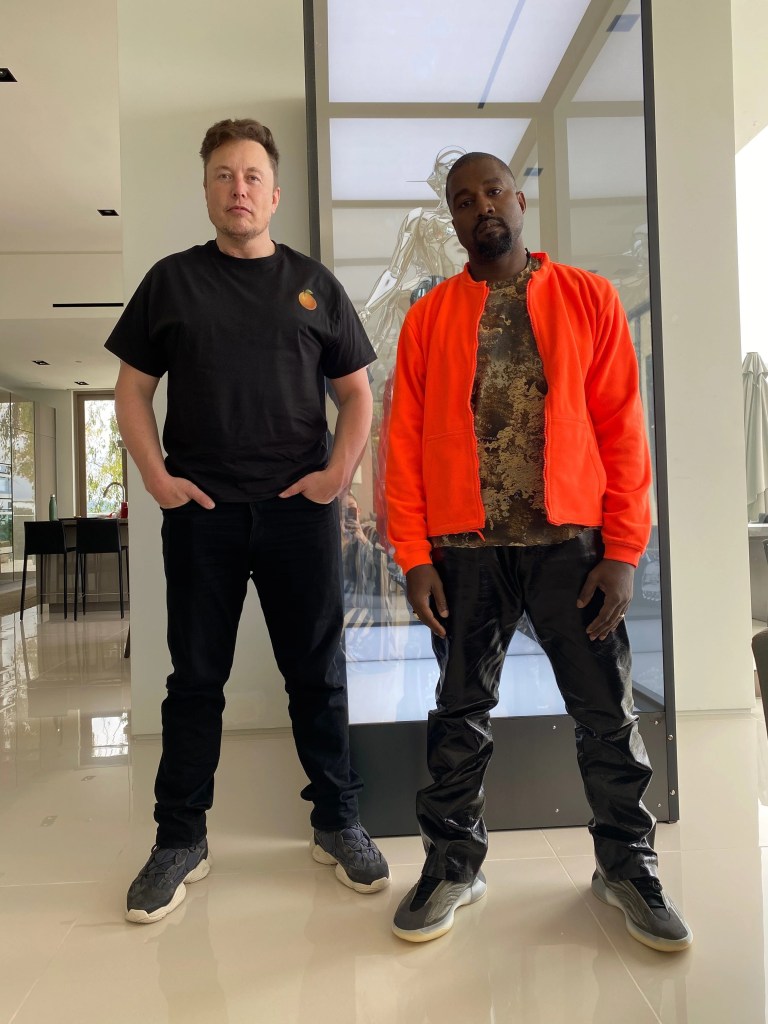
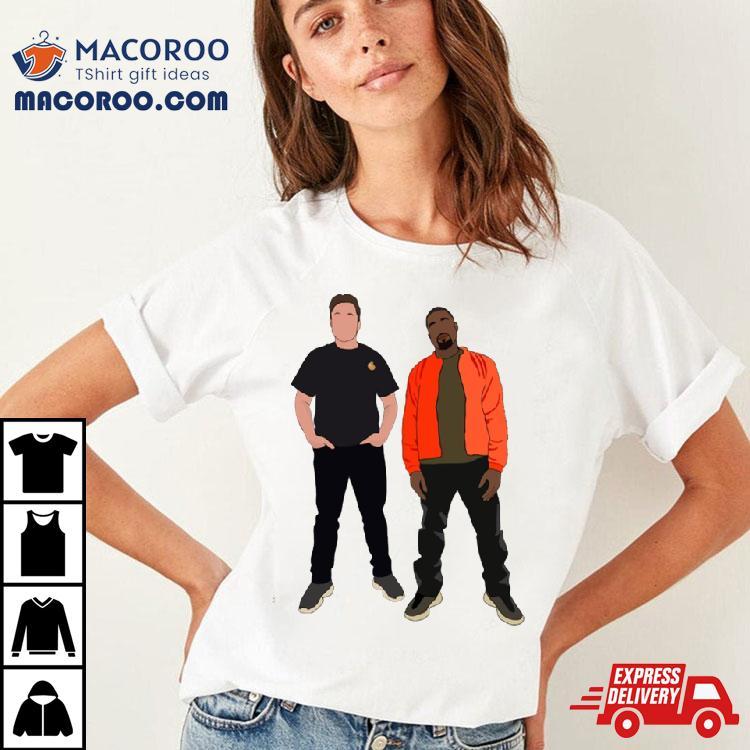
Both men grounded their interpretations in neutrals, allowing orange to operate as a focal point rather than an overwhelming statement. Ye, known for the mineral-based restraint of his Yeezy collections, rarely leans into saturated color without purpose. Seeing him integrate orange into a neutral framework echoed a broader design principle also visible in collections like 3.1 Phillip Lim’s Fall 2026: stable tonal foundations interrupted by calibrated intensity. Neutrals stabilize; brights activate. The balance communicates control rather than excess.
Energetically, orange signals creative expression, vitality, and forward movement. That both Ye and Musk, figures associated with innovation in different arenas, arrived in the same chromatic register suggests a shared frequency. Whether planned or coincidental, the visual alignment amplified the message.
Within contemporary ready-to-wear, chromatic contrast has become increasingly strategic. Designers are not abandoning neutrals; they are punctuating them. Orange in 2020 functioned as proof of concept: a less common hue deployed with intention can shift the energy of an entire look. The image of Ye and Musk captured that dynamic early—demonstrating that even within restraint, color can carry deliberate creative force.
3.1 Phillip Lim Fall 2026: Chromatic Contrast as Trend Signal
Wednesday, February 11, 2026
Color is the defining signal in 3.1 Phillip Lim’s Fall 2026 collection. Warm browns and muted charcoals provide visual grounding, while punctuations of saturated brights energize key pieces. This interplay mirrors color-field principles: broad, stable expanses are disrupted by flashes of intensity, generating tension that is both visual and psychological. Neutrals stabilize, brights activate, and together they convey a restrained but intentional sense of risk, signaling that chromatic contrast is a driving force in contemporary ready-to-wear.


This calibrated use of color reflects a broader shift in Fall 2026 trends. Women’s fashion is moving away from maximalist spectacle toward measured disruption within familiar silhouettes. Neutrals create a foundation that allows brighter, unexpected tones to feel deliberate rather than chaotic. In this context, color becomes more than decorative—it is a tool for psychological impact, mood elevation, and personal expression.


Materials like leather and denim amplify this chromatic dialogue. Treated leather surfaces, structured yet fluid, and architectural denim shapes allow color placements to read dynamically, emphasizing the tension between stability and activation. The result is a wardrobe that feels dependable and versatile while still psychologically stimulating, offering the wearer both comfort and a sense of visual agency.


Ultimately, the Fall 2026 trend is about mastering balance through color. By pairing grounding tones with flashes of brightness, designers create looks that are at once familiar and surprising. This approach signals a shift in contemporary styling: the power of a collection no longer rests on excess, but on the strategic orchestration of tone, texture, and proportion.
Naturalised Neutrals: A Palette That Became a Language
Monday, February 9, 2026
Long before “quiet luxury” or earth-driven palettes became industry shorthand, Ye—formerly known as Kanye West—established a visual language rooted in what can best be described as Naturalised Neutrals. Beginning with Yeezy Season 1 in 2015, and carried consistently through Seasons 2, 3, and 4, this palette rejected trend-driven colour cycles in favor of hues drawn from landscapes, raw materials, and weathered surfaces: sand, clay, stone, ash, and softened browns. What made the approach radical was not the colours themselves, but their insistence. Season after season, Ye returned to the same restrained spectrum, allowing form, proportion, and texture to carry the emotional and visual impact.
Adidas Originals x Kanye West YEEZY SEASON 1 – Runway
NEW YORK, NY – FEBRUARY 12: Models walk the runway at the adidas Originals x Kanye West YEEZY SEASON 1 fashion show during New York Fashion Week Fall 2015 at Skylight Clarkson Sq on February 12, 2015 in New York City. (Photo by Kevin Mazur/Getty Images for adidas)
Psychologically, Naturalised Neutrals function differently from high-contrast or seasonal palettes. These colours don’t command attention; they invite immersion. They register as grounding, familiar, and steady—tones that feel resolved rather than performative. In Yeezy’s early runway presentations, the palette created a contemplative atmosphere, amplifying silhouette, movement, and materiality. The absence of sharp colour interruption encouraged viewers to focus on shape, repetition, and rhythm, reframing clothing as an environment rather than an outfit.
Kanye West Yeezy Season 2 – Runway
NEW YORK, NY – SEPTEMBER 16: Kanye West poses during the finale of Yeezy Season 2 during New York Fashion Week at Skylight Modern on September 16, 2015 in New York City. (Photo by Randy Brooke/Getty Images for Kanye West Yeezy)
Over time, this approach quietly reshaped the broader fashion landscape. What initially felt austere or disruptive has since become foundational. Labels that emerged or evolved after Yeezy’s early collections began adopting similar chromatic restraint—sometimes overtly, sometimes instinctively. Muted browns, softened blacks, washed greys, and tonal layering became tools for longevity and cohesion. Naturalised Neutrals shifted from being a signature to becoming a shared visual language, particularly among designers interested in modular wardrobes and enduring relevance.
Kanye West Yeezy Season 3 – Runway
NEW YORK, NY – FEBRUARY 11: (EDITORS NOTE: Image contains nudity.) Models pose during Kanye West Yeezy Season 3 at Madison Square Garden on February 11, 2016 in New York City. (Photo by Kevin Mazur/Getty Images for Yeezy Season 3)
That lineage becomes especially visible in Donna Karan Fall 2026 Ready-to-Wear. The collection centers on monochromatic dressing in espresso browns, camel, classic black, and a deep, dark cherry that functions as a modern accent continuing an established visual language. The palette supports a wardrobe built around adaptability and texture, where materials—velvet, wool, faux fur, metal accents—carry visual interest without reliance on colour contrast. The collection is distinctly Donna Karan in its polish and city sensibility, yet it aligns closely with principles Ye popularized: repetition over reinvention, tonal cohesion over contrast, and colour as atmosphere rather than decoration..
Kanye West Yeezy Season 4 – Presentation
NEW YORK, NY – SEPTEMBER 07: (EDITORS NOTE: Image contains partial nudity.) Models pose on the runway at the Kanye West Yeezy Season 4 fashion show on September 7, 2016 in New York City. (Photo by Bryan Bedder/Getty Images for Yeezy Season 4)
What’s notable is that this isn’t nostalgia, nor is it trend mimicry. Donna Karan’s Fall 2026 offering treats Naturalised Neutrals as infrastructure rather than ornament—clothes designed to move seamlessly through time, setting, and use. The palette recedes just enough to allow cut, drape, and surface to define the experience. In doing so, it reflects how Naturalised Neutrals have evolved from a provocative idea into a stabilizing force within contemporary fashion.
Donna Karan FALL 2026 READY-TO-WEAR


Which raises a broader question: Are we seeing a recycled trend, or the sustained influence of a palette that proved its power through consistency rather than novelty? When Ye returned to the same chromatic language season after season, he disrupted fashion’s reliance on constant visual turnover. Over a decade later, as Naturalised Neutrals continue to dominate collections across categories, it’s worth considering whether designers are responding to forecasted trends—or to a deeper, collective preference for restraint, cohesion, and visual longevity.


In that sense, Naturalised Neutrals are less about what is in and more about how fashion chooses to endure.
The New American West
Sunday, February 8, 2026
Fall 2026 reveals a renewed fascination with cowboy culture and the American West—not as costume, but as a lens through which designers explore human experience and environment. Across collections, Western codes are reinterpreted through an elevated, contemporary lens—less rodeo, more reflective exploration—inviting engagement with colour, texture, and material in ways that echo the natural world.
This season’s Western influence is rooted in character. Strong shoulders, tailored silhouettes, and purposeful detailing convey confidence and guide the body through the outfit with intention. Earth-driven colour palettes—rusted browns, olives, bone whites, deep blues—mirror landscapes and weathered terrain, while subtle textural cues like fringe, embroidery, corduroy, and appliqué nod to heritage. Even technical or performance-focused pieces adopt this language, blending function with storytelling. Psychologically, these combinations stimulate curiosity and grounded awareness, encouraging the eye and mind to explore, linger, and reflect.


Veronica Beard FALL 2026 READY-TO-WEAR
Runway interpretations differ in execution but share a common thread. Veronica Beard’s “Trailblazers” channels poise through fitted blazers, structured coats, and layered colour, while Moncler Grenoble evokes Alpine-Western imagery with embroidered landscapes and rugged outerwear. Both use material and colour as instruments of exploration, inviting consideration of depth, rhythm, and mood across the silhouette.


Moncler Grenoble FALL 2026 READY-TO-WEAR
This iteration of the Western trend feels immediate and resonant. Wearing rusted browns, deep blues, and earthy olive tones evokes calm, stability, and introspection, while structure and texture encourage discovery and engagement. Fall 2026’s New American West invites us to rethink the frontier—not as costume or conquest, but as a tool for exploration, guiding perception and movement, and offering an immersive, reflective journey through colour, form, and texture.
Subtle Storytelling and Wearable Fantasy in Couture
Wednesday, February 4, 2026
Recent couture shows from Sohee Park and Rami Al Ali underscore a growing trend toward restraint, intentionality, and narrative depth, standing in contrast to the maximalist spectacle often seen on the runway. Park’s Miss Sohee collection drew inspiration from the gardens of her South Korean summer house, translating natural landscapes into sculpted silhouettes with layered, subtle details that reveal themselves upon closer inspection.


Al Ali, meanwhile, translated Rumi’s philosophy—“Through your love, existence and nonexistence merge. All opposites unite”—into garments of quiet precision, weaving Persian carpet motifs and understated textures that speak through detail rather than overt embellishment.


This trend is distinguished by its thoughtful storytelling, wearable fantasy, and layered detail. Garments are designed to feel personal and empowering, balancing dreamlike concepts with structural respect for the body. Close inspection rewards with hidden intricacies—textures, color shifts, and delicate motifs—inviting an engaged, contemplative interaction with each piece.
What sets this movement apart from typical couture is its emotional intelligence and narrative depth. Inspiration from heritage, nature, and philosophy becomes the guiding framework, rather than purely visual spectacle. The result is collections that feel meaningful, considered, and quietly powerful—couture that speaks to the wearer as much as the audience.
Berlin Fall 2026: Memory, Neutrality, and the Discipline of Restraint
Saturday, January 31, 2026

Berlin Fashion Week Fall 2026 continues to operate outside the spectacle-driven rhythm of other fashion capitals, offering instead a quieter, more introspective view of contemporary design. Within a season shaped by “Berlin Contemporary” values—independence, sustainability, and conceptual clarity—the Ioannes show stands out for its deliberate restraint. Rather than chasing novelty, the collection feels anchored in reflection, precision, and personal history.


Designer Johannes Boehl Cronau brings a rigorously trained eye to this approach. After studying fashion design at Parsons in Paris, he went on to earn a Master’s degree in Womenswear from Central Saint Martins in London, a background that is evident in the collection’s control and confidence. The silhouettes are lean, exacting, and intentional, suggesting a designer comfortable working within limits. That discipline allows memory—particularly his recollections of the 1990s—to surface not as nostalgia, but as structure.


Color is treated with notable restraint. The collection is composed almost entirely of neutrals and earth tones: black, brown, gray, ivory, and whites so softly tinted they verge on blush. Even the palest pink reads as a neutral here—less a color than a tonal shift, closer to white than statement. This near-monochrome palette reinforces the collection’s quiet authority, allowing form, proportion, and texture to carry the narrative rather than hue.


Against this backdrop, moments of color feel purposeful rather than decorative. A single red handbag punctuates the show, its impact heightened by its rarity and by its cohesion with the model’s hair, making it feel integrated rather than disruptive. Elsewhere, subtle deviations appear: one model wears yellow-and-black knickers beneath the neutral styling, a private flash of color that reads almost as an undercurrent rather than a focal point. Another look includes a handbag in a green so pale it registers nearly as gray, blurring the line between color and neutral altogether.

Taken together, the collection reflects a broader shift in fashion toward editing rather than excess. In an era saturated by global feeds and constant visual stimulation, Ioannes Fall 2026 suggests a return to dressing informed by memory, discipline, and personal reference. The show doesn’t rely on spectacle to assert itself; it trusts restraint. In Berlin, that restraint reads not as absence, but as intention—one where meaning comes from precision rather than accumulation. By editing color, styling signals, and excess, the collection shows how restraint can sharpen identity instead of diminishing it.
Rethinking the Catwalk
Friday, January 30, 2026
Fiorucci’s Spring/Summer 2026 show transformed the traditional catwalk into a fully immersive environment. Rather than presenting garments in isolation, the brand integrated models, space, and set design to create a cohesive, interactive experience. The collection’s bold graphics, playful motifs, and vibrant silhouettes were amplified by their surroundings, making each look feel like part of a living story rather than a standalone item.

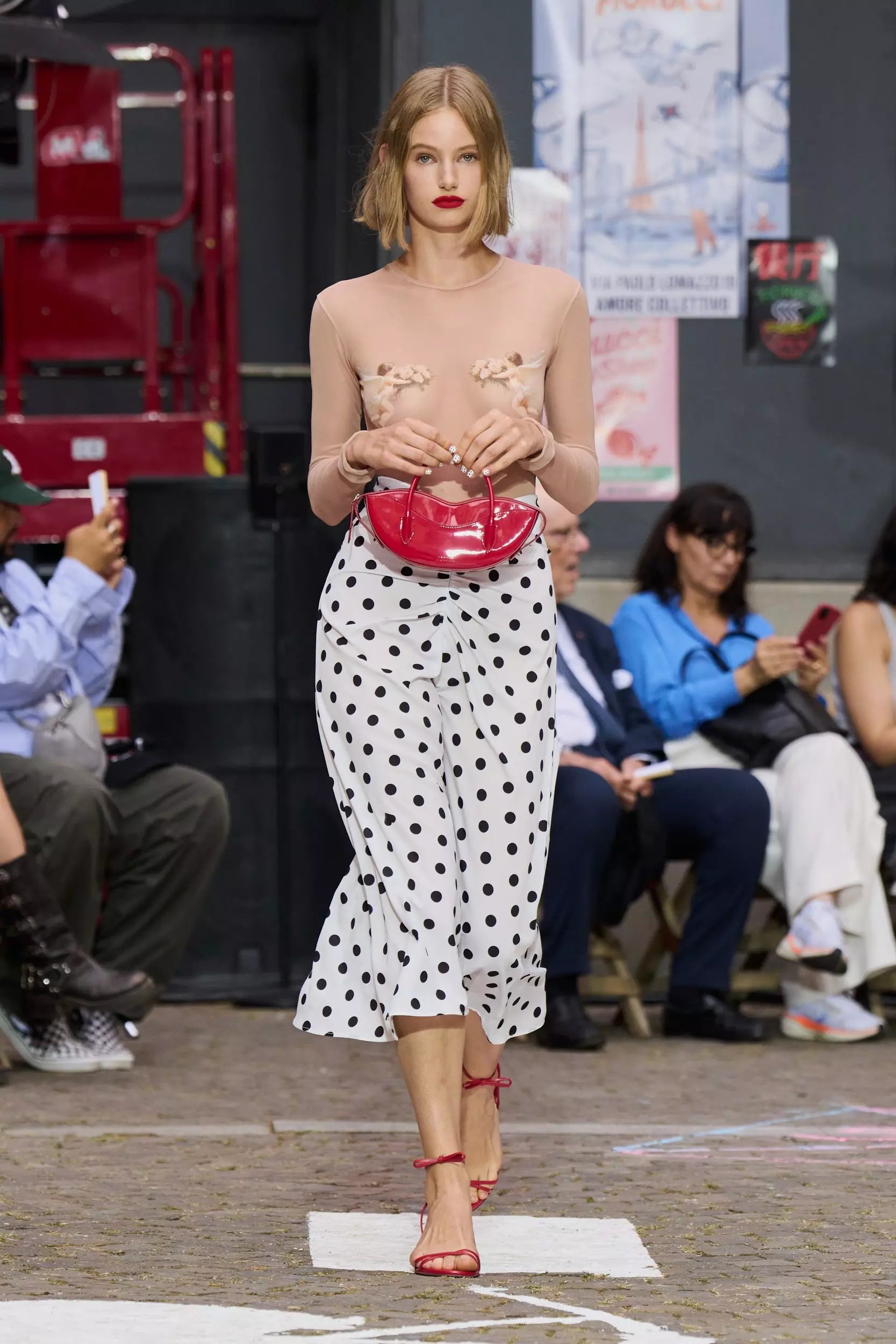
This approach highlights a broader industry shift: designers are moving beyond conventional catwalks to focus on storytelling, mood, and audience engagement. By carefully orchestrating environment, narrative, and spatial design, brands are transforming fashion shows into emotionally resonant experiences. Every element — from lighting and music to model movement and set layout — is used to communicate energy, personality, and atmosphere, ensuring that the audience connects with the show on multiple levels beyond just the clothing.
Fiorucci’s use of immersive staging demonstrates how environment can shape perception of a collection. Models were positioned to interact with the space in unexpected ways, breaking the linear progression of the traditional catwalk. This created a sense of discovery and spontaneity, inviting viewers to engage with the garments as part of a larger world. Such a strategy allows designers to emphasize the emotional and experiential qualities of their work, rather than simply showcasing silhouettes.
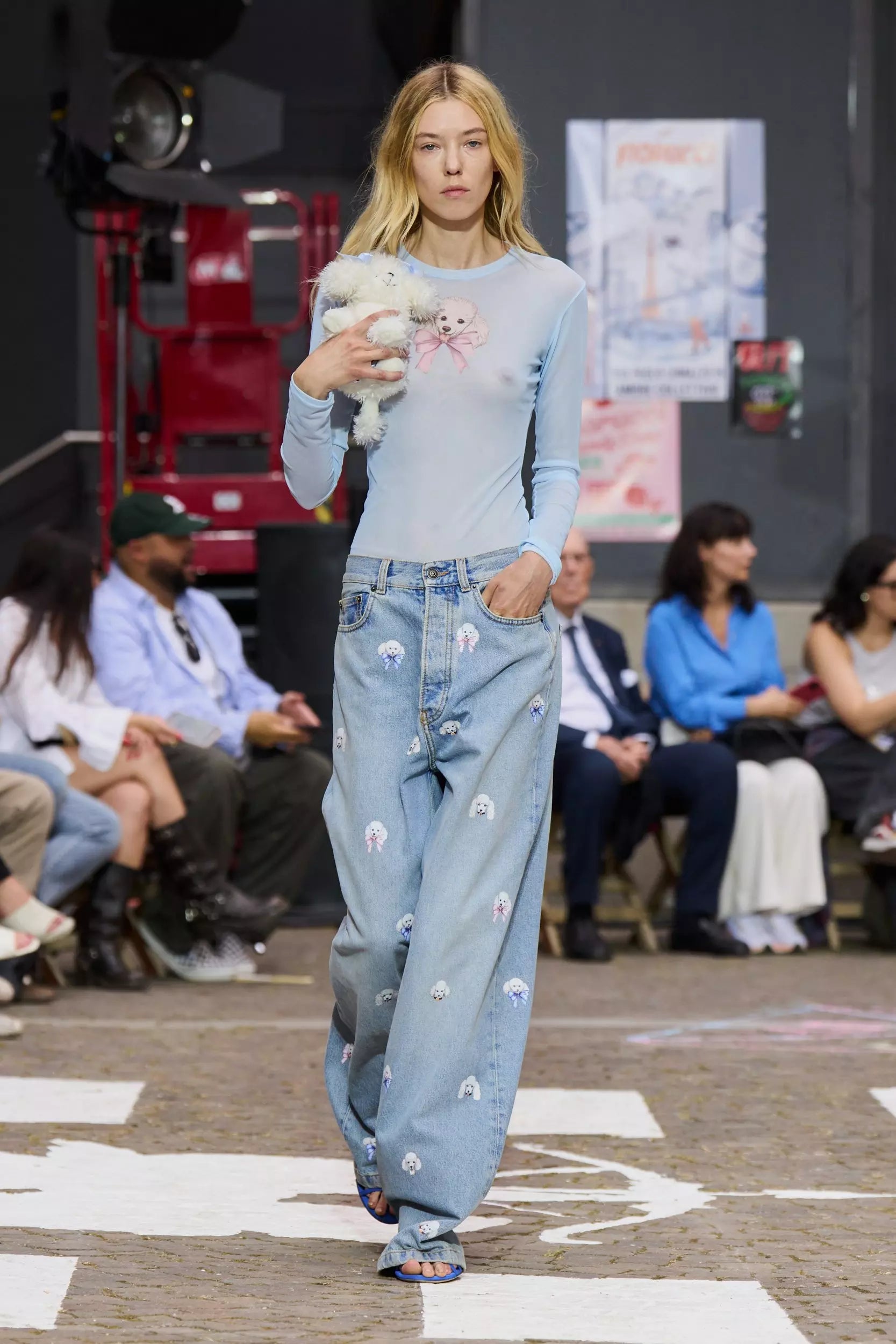

This trend reflects a growing understanding in the fashion industry that shows are as much about experience as apparel. Designers who incorporate narrative, visual storytelling, and multi-sensory elements are creating presentations that linger in the audience’s memory. It signals a shift toward a more dynamic and theatrical approach, where the catwalk becomes a platform for conveying mood, identity, and brand ethos.
Ultimately, Fiorucci SS26 illustrates the potential of this new catwalk philosophy. By blending color, shape, movement, and environment, the show demonstrated that fashion presentations can be immersive, layered, and expressive. Designers embracing this evolution are redefining what a catwalk can be — a stage not just for clothes, but for narrative, engagement, and emotional impact.
Copenhagen Fall 2026 and the Quiet Power of Color Without Spectacle
Thursday, January 29, 2026


While Paris Couture Spring 2026 commanded attention through spectacle and celebrity, Copenhagen Fashion Week Fall 2026 unfolded in a markedly different register. The absence of hype was not accidental but structural. Copenhagen has long positioned itself as a fashion ecosystem driven by design credibility rather than visibility, where collections are evaluated for coherence, wearability, and long-term relevance rather than cultural noise.


Historically, Scandinavian fashion has favored muted palettes and earth-based tones—an aesthetic shaped as much by geography and lifestyle as by ideology. Long winters, diffuse light, and an emphasis on practicality have encouraged visual restraint. Bright color, when present, has typically appeared as a controlled accent rather than a dominant force, reinforcing continuity rather than contrast.


This is precisely why Nicklas Skovgaard’s Fall 2026 presentation marked a significant shift. Skovgaard is not new to color; in past collections, he has employed vivid hues, using them as punctuation within neutral frameworks. In this show, however, that hierarchy was deliberately reversed. Bright colors became the foundation of the collection, while neutrals receded into supporting roles, functioning as accents rather than anchors.


The effect was not ornamental but structural. Color blocking was used to articulate silhouette, tension, and movement, giving garments a sense of architectural clarity. Rather than overwhelming the eye, the saturation created focus, suggesting that color—when treated as form rather than decoration—can maintain discipline even at high intensity. This approach subtly reframed how bold color can operate within traditionally restrained design systems.


On a broader scale, the collection points to an emerging shift in northern fashion: color blocking as recalibration rather than rebellion. As the industry moves away from excess and visual noise, designers are exploring how decisive use of fewer elements can communicate confidence and emotional resonance. In this context, Skovgaard’s reversal of color hierarchy signals a larger evolution—one in which restraint no longer requires neutrality, and where even the most minimalist traditions are making room for chromatic authority.


Fiorucci Spring 2026 and the Power of a Singular Color Story
Wednesday, January 28, 2026
Founded in Milan in 1967 by Elio Fiorucci, the brand quickly became synonymous with youth culture, pop art, and a liberated, playful vision of fashion. Fiorucci has always thrived at the intersection of energy and provocation—where color, graphics, and attitude do the talking. That legacy feels especially relevant in its Spring 2026 collection, which centers boldly on red as its foundation.
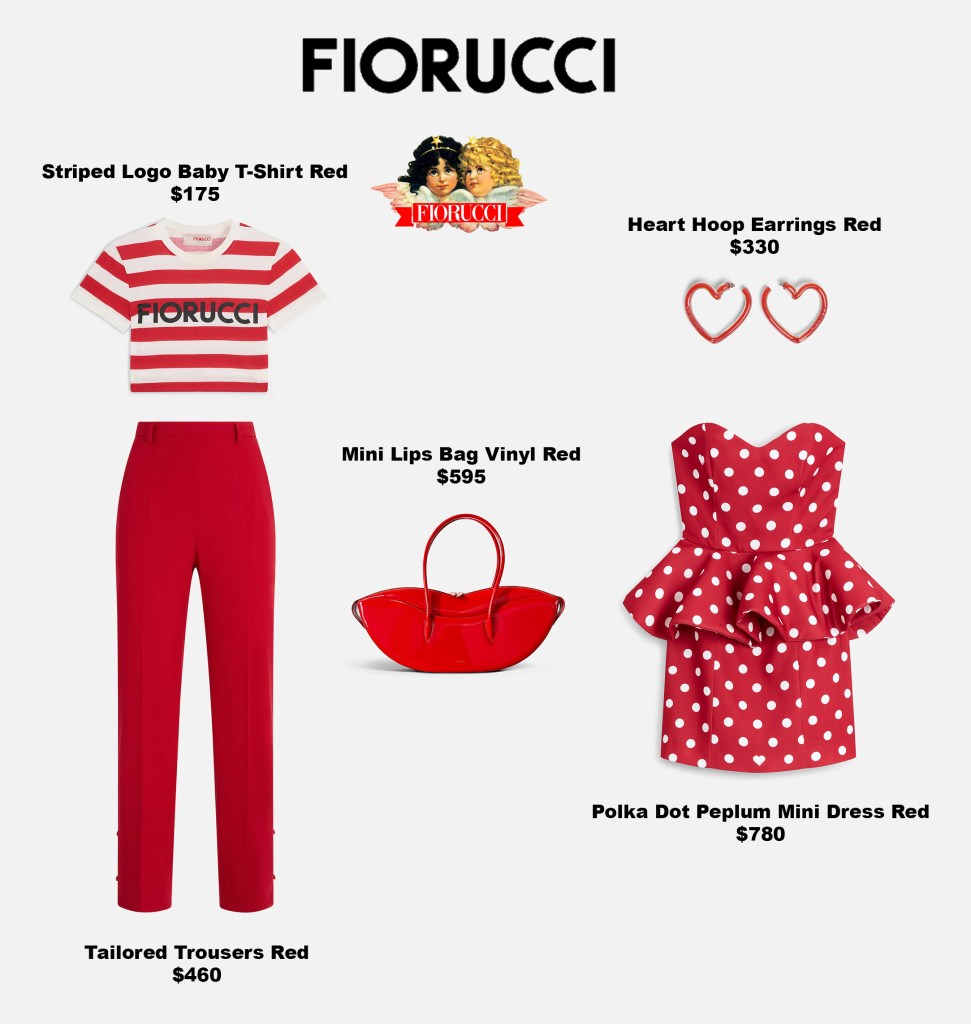
Red anchors the collection both visually and psychologically. As the color most associated with grounding, vitality, and confidence, it functions almost like a root note—stable, assertive, and unmistakable. Rather than scattering attention across multiple hero hues, Fiorucci explores how far one color can go, building dimension through fabrication, pattern, and styling. Supporting neutrals—black, white, and cream—act as architectural elements, allowing the red pieces to mix, layer, and stand alone without dilution.
A key visual language emerges through red-and-white stripes and polka dots, a look often misattributed to Amalfi but more accurately rooted in mid-century Mediterranean maritime culture. These motifs recall the Italian and French Riviera of the 1940s–1960s: sailor uniforms, striped deck chairs, seaside swimwear, and the cinematic ease of La Dolce Vita. Regions such as Liguria—Portofino, Santa Margherita, Cinque Terre—shaped this look. This is Riviera chic—graphic, confident, and sun-soaked—rather than romantic or bohemian. The polka dots reinforce that retro self-possession, adding charm without softness.
More broadly, the collection reflects a growing industry shift: brands increasingly committing to a single foundational color per season and extracting maximum creative range from it. This approach demands restraint and clarity. With fewer colors to hide behind, design, proportion, and concept must carry more weight. The result, when executed well, is a collection that feels cohesive, intentional, and confident—less about trend-chasing, more about point of view.
Fiorucci’s Spring 2026 shows that limitation, when embraced, can be a powerful creative engine. One color, fully explored, becomes not a constraint—but a signature.
Gaurav Gupta Unveils “Sirens Rising” at Paris Haute Couture Week Spring 2026
Tuesday, January 27, 2026
On Tuesday, January 27, 2026, Gaurav Gupta presented his Spring 2026 Couture collection, “Sirens Rising,” at Paris Haute Couture Week. Known for his signature fusion of architectural precision and fluid elegance, Gupta once again showcased his ability to transform intricate craftsmanship into wearable couture. A graduate of Central Saint Martins College of Art and Design in London, where he studied fashion design, Gupta has built a global reputation for blending traditional Indian techniques with contemporary, high-fashion sensibilities.

At the heart of the collection were Baroque Cascade Gowns that emphasized movement and texture. Crystal embroidery caught the light with every step, while bands of sequins created subtle kinetic shimmer. Tassels and drapes were engineered to flow naturally with the body, highlighting Gupta’s mastery of craftsmanship in motion. Techniques such as zardozi and hand embroidery, rooted in Indian heritage, were reimagined for Hollywood-ready silhouettes, producing gowns that felt at once timeless and forward-looking.
Among the more theatrical pieces, two gowns stood out for their commercial wearability. The first, a cool grayish-blue satin gown, featured a corset top with vertical basket-weave crystal detailing and an asymmetrical high slit. The flowing skirt moved like water, while the structured corset provided balance and symmetry, perfectly merging fluidity with architectural precision. The second, a warm beige-pink satin gown, was impeccably symmetrical, featuring delicate lacing and crystal embellishments. Its luxurious yet approachable silhouette demonstrates how couture techniques can inform evening-wear that is both elegant and market-ready.

With “Sirens Rising,” Gaurav Gupta reaffirmed his vision of heritage meeting innovation, presenting gowns that combine intricate craftsmanship with real-world functionality. The collection’s soft, muted palettes, fluid silhouettes, and detailed embellishments offer a model for couture that is as commercially translatable as it is breathtaking on the runway.
Dior Haute Couture Paris 2026: Cyclamen Accents and the Language of Communication
Tuesday, January 27, 2026
Jonathan Anderson’s debut haute couture collection for Dior on January 26, 2026, signaled a clear shift toward fashion as emotional and communicative language. A graduate of London College of Fashion and now overseeing Dior’s womenswear, menswear, and haute couture, Anderson used his first couture outing to explore how color and symbolic accessories can express voice, restraint, and emotional clarity.


A defining element of the show was the cyclamen flowered earmuffs or headphone-like headpieces, designed by Stephen Jones. Rendered in small pink and white buds, the cyclamen carries layered meanings—devotion, sincere affection, humility, resilience, and historically, resignation or farewell. Across cultures, the flower is associated with thoughtful reserve and emotional depth, blooming quietly in winter when other flowers recede. Worn near the ears, the cyclamen pieces suggest listening as much as speaking, framing communication as something intimate, considered, and emotionally intelligent.


This symbolism was reinforced through the use of light blue tops, dresses, and handbags, a color traditionally associated with the throat chakra, the energetic center linked to communication, truth, and expression. Blue in this context does not read as loud or declarative, but as calm, steady, and intentional—suggesting clarity over volume. Paired with cyclamen’s themes of devotion and humility, the message becomes nuanced: true communication is composed, empathetic, and resilient.
From a trend perspective, the show points to a broader movement in luxury fashion toward symbolic communication through color and placement. Accessories are no longer decorative alone; they frame meaning. Anderson’s Dior debut communicates a vision of modern power rooted not in dominance, but in measured expression, emotional awareness, and the ability to listen as well as speak. In this collection, couture becomes a language—one spoken softly, but with precision and intent.
The Rise of Dual-Energy Dressing
Monday, January 26, 2026
Fashion is moving beyond single-note expression. Increasingly, designers are building garments around two dominant colors, not as decoration, but as a way to encode layered identity into a single piece. The result is clothing that feels intentional and multidimensional—designed to communicate complexity rather than chase novelty.
This shift reflects how people understand themselves today: not as singular, but as a combination of inner orientation and outward expression. Much like astrology describes personality through pairings—sun and moon, essence and presentation—dual-color garments allow wearers to activate more than one energetic register at once.
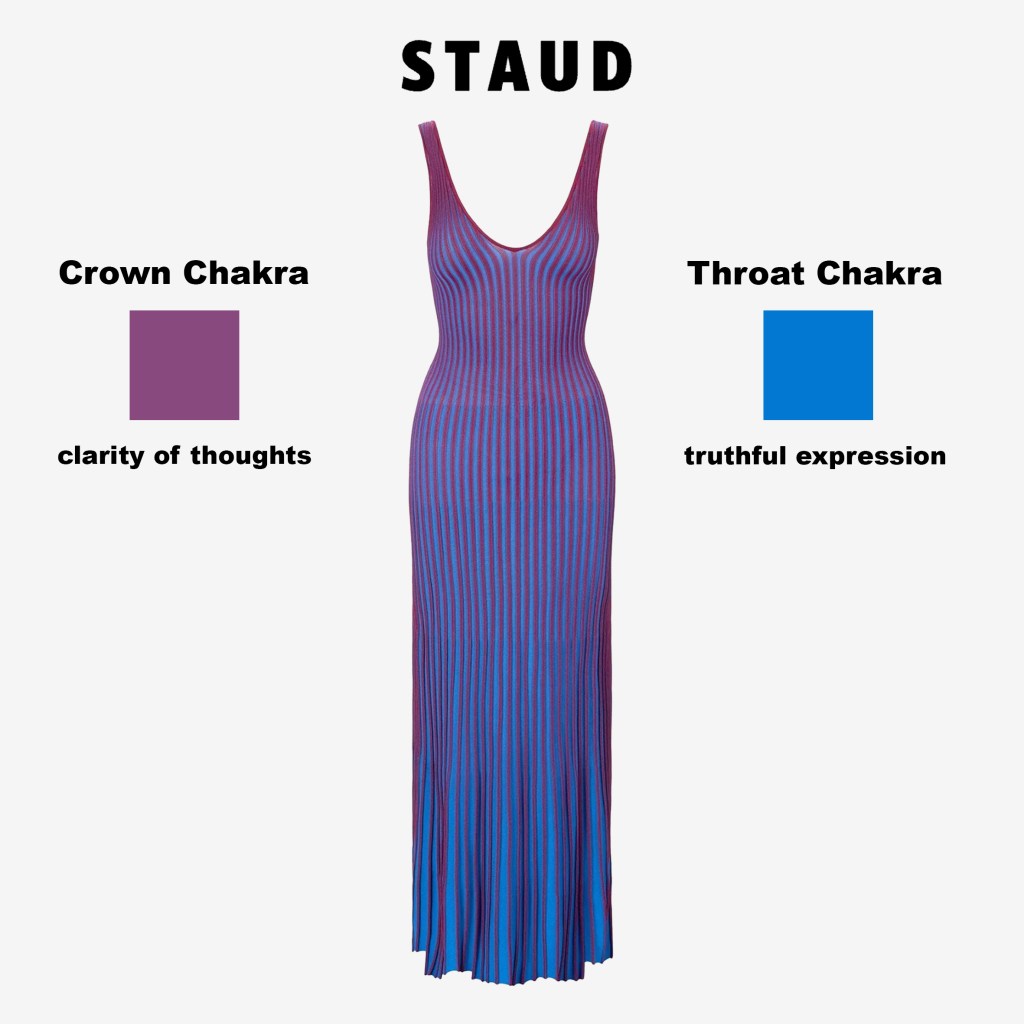
Recent designs from STAUD illustrate this approach with clarity. One long dress creates a gradient effect, with narrow violet vertical lines at the top widening as they move downward, gradually revealing more blue. Violet corresponds to the crown chakra, associated with awareness and intuition, while blue activates the throat chakra, governing communication and expression. The visual progression mirrors an energetic flow from inner clarity to outward articulation, giving the dress a composed, elevated presence.
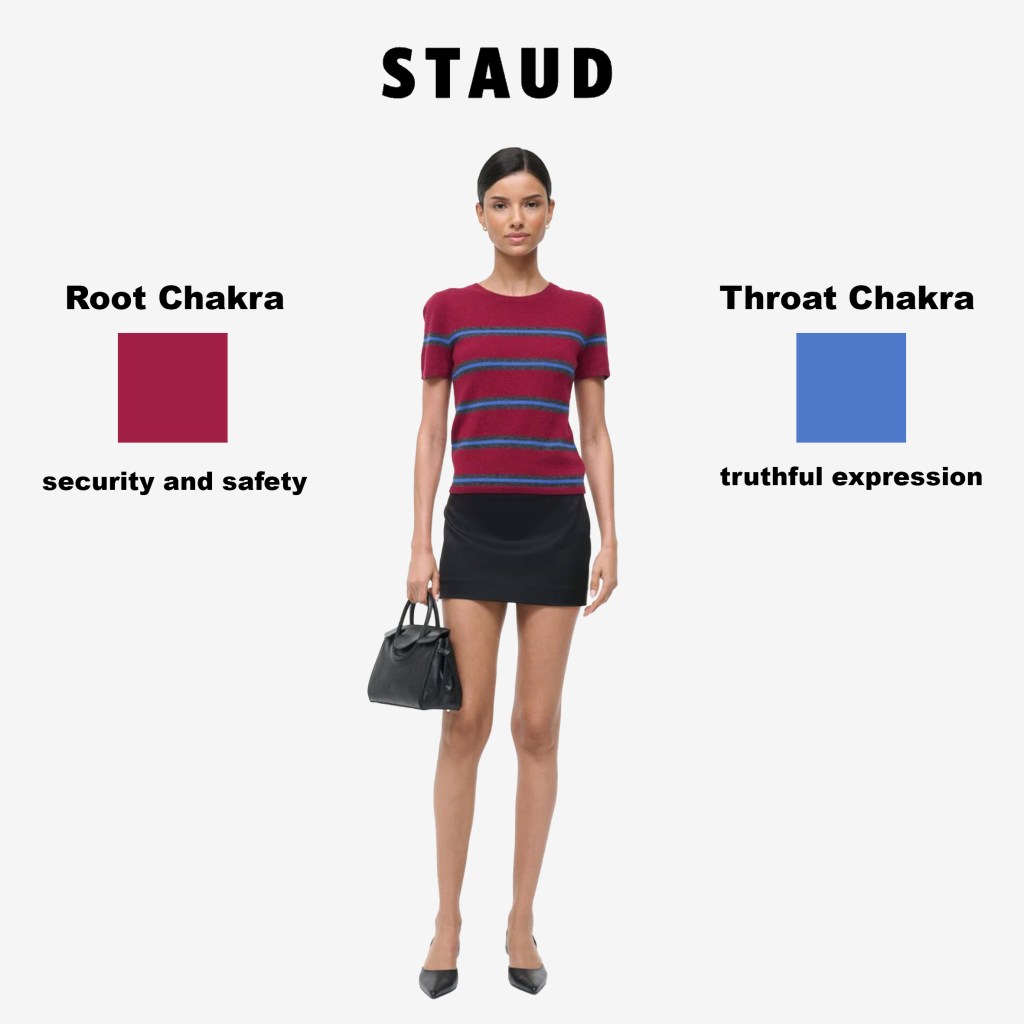
Another STAUD look pairs a crimson red cashmere tee with cornflower blue stripes, anchored by grey striping and a black skirt and accessories that function as neutrals. Here, the eye is drawn to the interaction between red and blue. Red activates the root chakra—grounding and stability—while blue stimulates the throat chakra. Together, the combination conveys presence that is both steady and expressive, rooted yet articulate.
From a design and commercial standpoint, dual-energy dressing is strategic. Color pairing expands the emotional range of a garment without changing its silhouette, increasing versatility, longevity, and energetic value. These pieces resonate because they reflect a simple truth: identity is layered. Fashion that acknowledges this complexity feels not only modern, but enduring.
Day to Night: Chakra-Conscious Styling in Practice
Sunday, January 25, 2026
A noticeable shift is emerging in how outfits are being styled: not as isolated looks, but as energy-driven compositions that can evolve from day to night through intentional garment changes. What changes isn’t just the clothing, but the energy being expressed through color, texture, and silhouette.
In one example, a daytime look is anchored by a bright yellow silk blouse, chosen for its association with the solar plexus chakra—linked to confidence, wisdom, and personal power. The evening look transitions into a green sequin dress, activating the heart chakra, associated with love, openness, and healing. The accessories—handbag, jewelry, and shoes—remain the same in this instance, illustrating how energy can shift even when visual elements stay constant. A violet clutch completes both looks, subtly referencing higher consciousness and spirituality, and acting as a throughline between day and night.
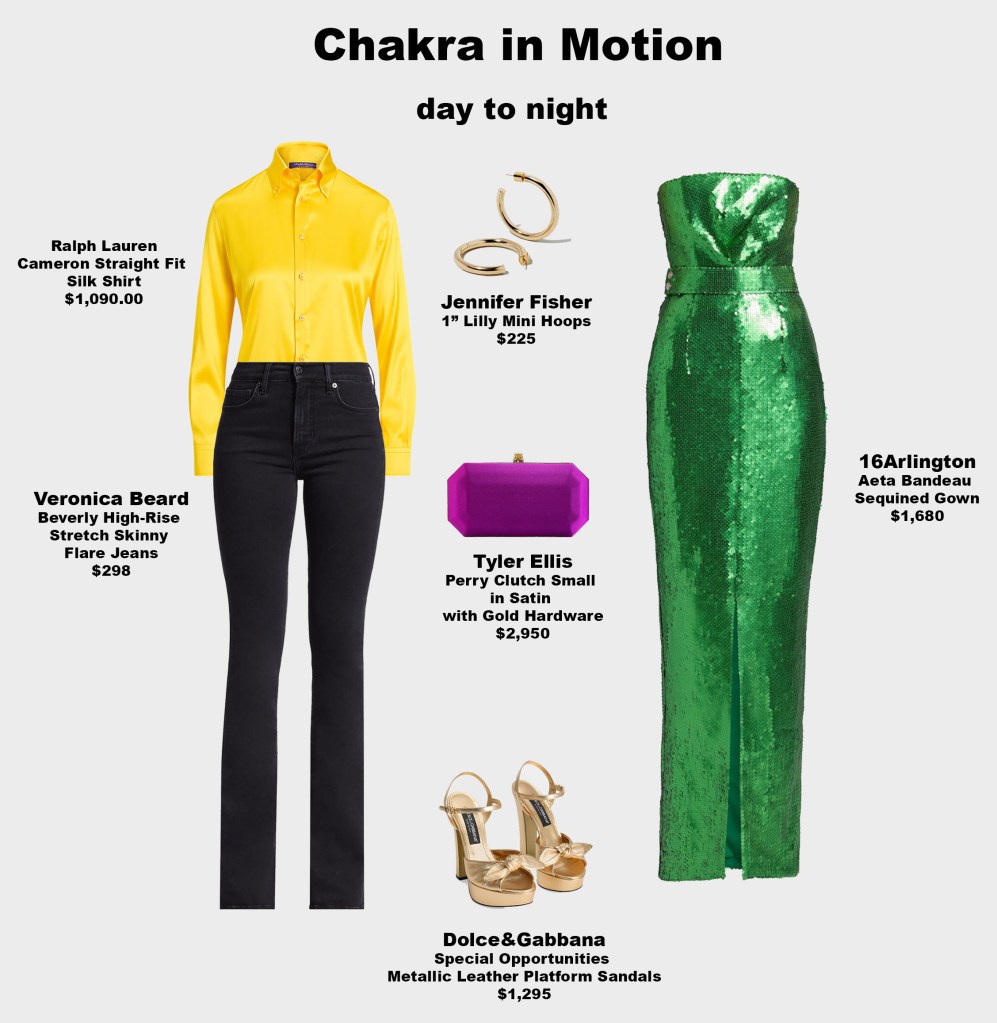
From a trend perspective, this reflects growing interest in chakra-conscious styling, where color is used deliberately to influence mood, presence, and self-perception. Stylists and consumers alike are experimenting with focusing on a single chakra color for clarity, or combining multiple chakra tones to create a layered, amplified effect. The emphasis is not on rigid rules, but on intentional coordination—using color as a strategic styling tool rather than a purely aesthetic choice.
For brands and designers, this signals an opportunity. Chakra-aligned color stories offer a framework for cohesive collections, editorial storytelling, and merchandising that feels purposeful without being prescriptive. Color becomes a language—one that communicates energy, intention, and emotional resonance alongside design.
Ultimately, chakra-conscious styling reframes how looks are built. Whether activating one energy center or blending several, the approach centers on alignment—using fashion to support how the wearer wants to feel, move, and show up. It’s a styling philosophy that adds depth without complication, and intention without excess.
Chakra Colors as Fashion: The Rise of Energy-Aligned Dressing
Sunday, January 25, 2026

Fashion has always been a form of personal signaling, but a new layer is emerging: energy-conscious styling. More people are coordinating outfits according to chakra colors, aligning wardrobe choices with the subtle vibrations of the body’s energy centers. What started as a wellness practice is now taking on trend-forward visibility, influencing both street style and elevated fashion.

The trend is intuitive. Each chakra is associated with a specific color and energetic quality: red for grounding, orange for creativity, yellow for personal power, green for love and compassion, blue for communication, indigo for intuition, and violet for higher awareness. Consumers are curating outfits that reflect these energies, consciously or subconsciously signaling mood, intention, and personality through color. It’s color psychology meets spiritual alignment—a combination that resonates with a generation seeking wellness, self-expression, and meaningful style simultaneously.
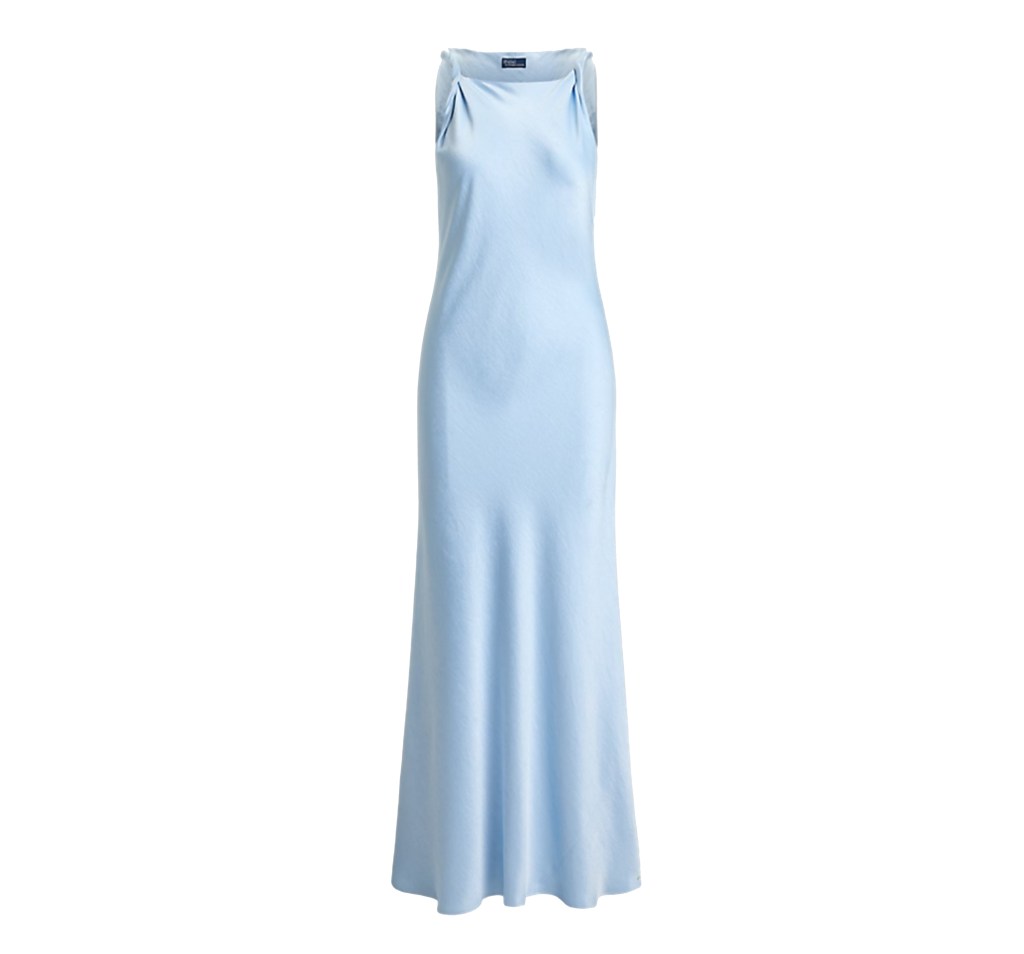
Designers and brands are beginning to respond. Limited collections, tonal color-blocking, and capsule wardrobes are being marketed around energy-aligned palettes. Social media amplifies the trend, as influencers and micro-influencers showcase “chakra looks” with carefully considered styling, lighting, and context. From yoga-ready separates to streetwear, this conscious color coordination translates across categories, making chakra-inspired dressing both visually compelling and culturally resonant.
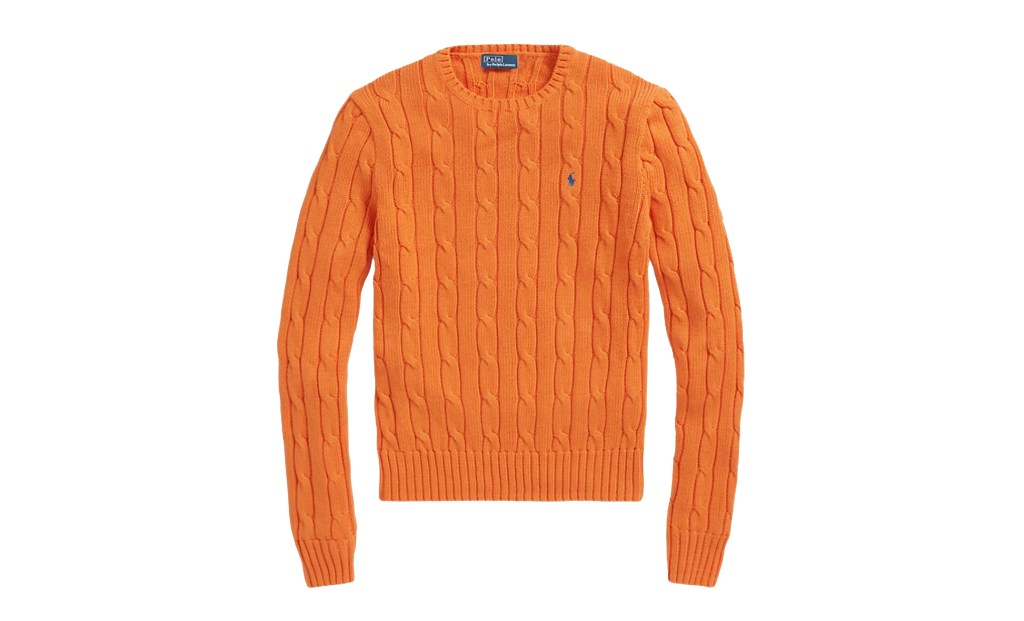
This trend isn’t just aesthetic—it reflects a broader shift in consumer behavior. People increasingly want clothing to support intention, mood, and personal energy, not just appearance. Chakra dressing taps into a desire for clothing to feel purposeful and harmonizing, while still remaining flexible enough to fit contemporary style sensibilities. For brands, this signals a growing market for emotionally intelligent fashion, where design, color, and energy intersect.
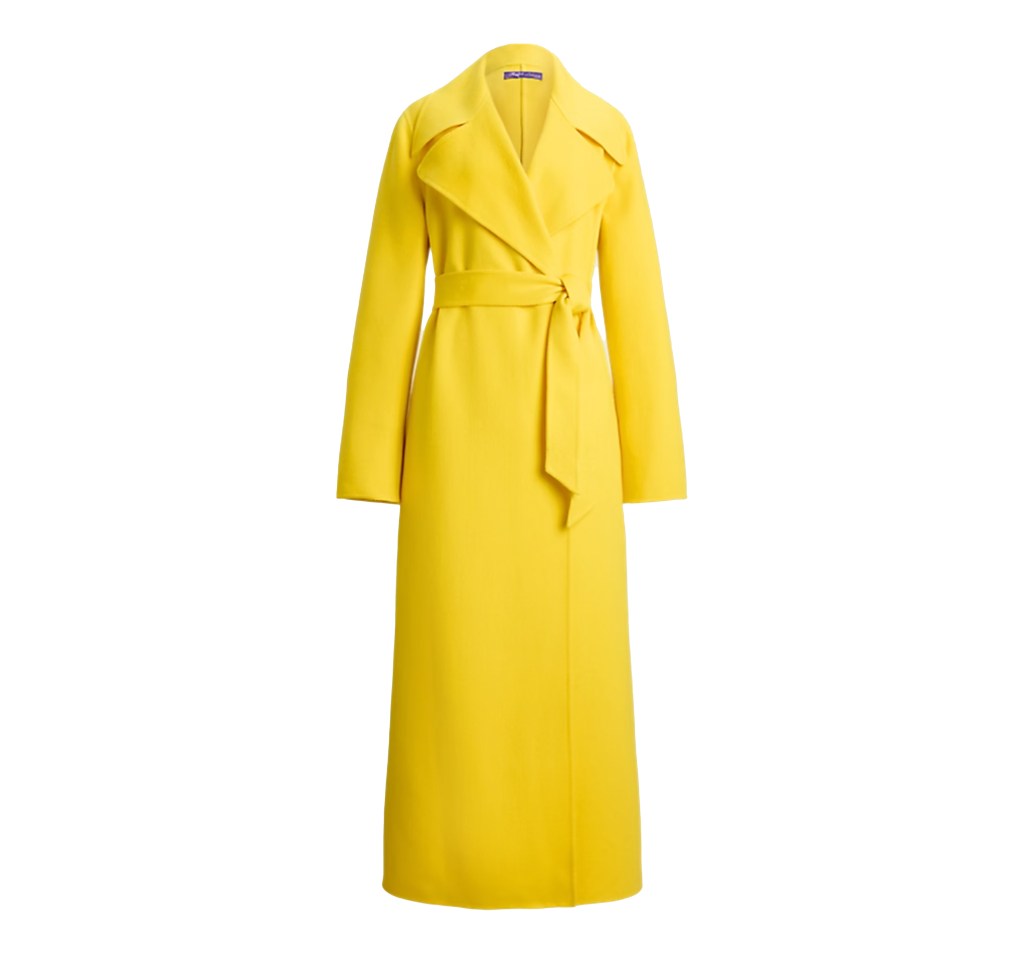
The appeal is simple: outfits now serve multiple roles. They ground, inspire, and communicate—all while feeling harmonious with the wearer’s energy. Chakra-color dressing isn’t just about aesthetics; it’s about alignment—curating a wardrobe that resonates with intention, supports mindset, and subtly enhances how you move through your day.
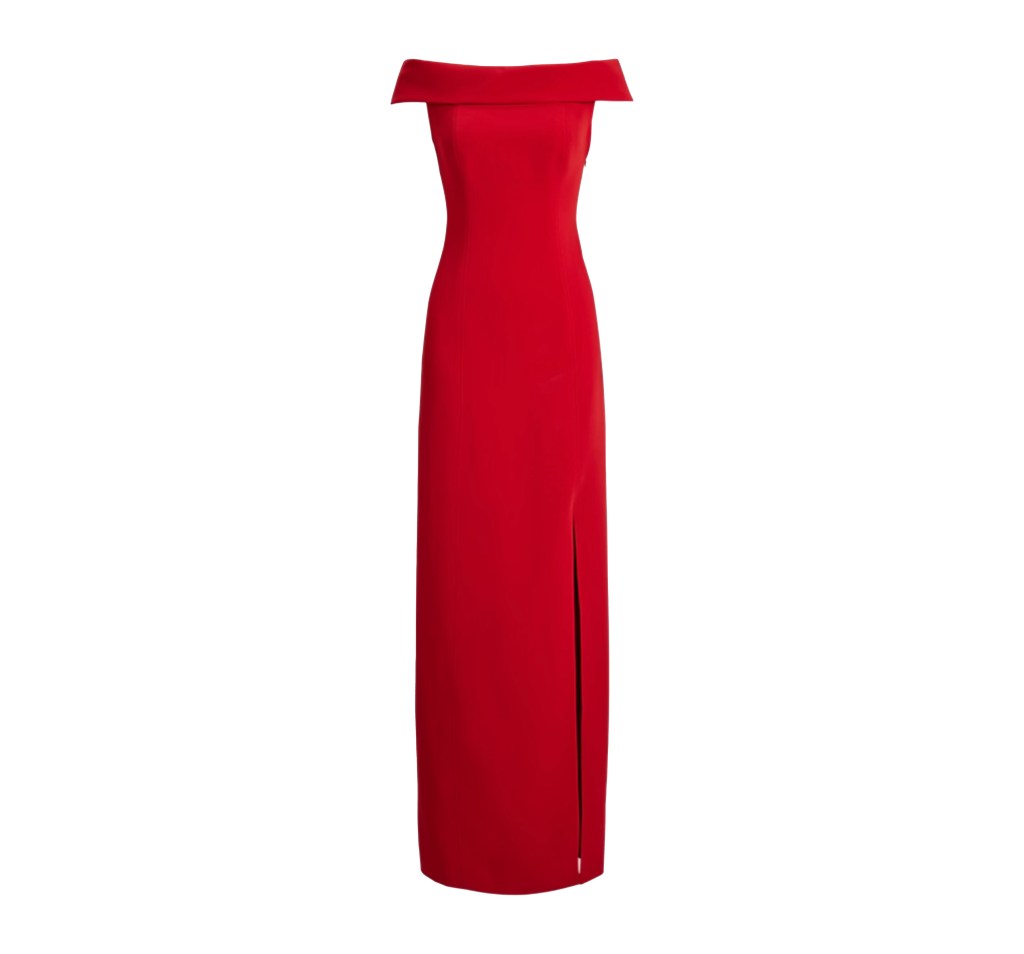
The Return of Visual Order in Fashion Design
Sunday, January 25, 2026
After a decade dominated by disruption, exaggeration, and deliberate imbalance, fashion is quietly recalibrating. The shift is subtle but measurable: silhouettes are stabilizing, proportions are resolving, and symmetry—once dismissed as conservative—is re-emerging as a marker of confidence and clarity. This is not a nostalgic return to minimalism. It is a market correction driven by cognitive fatigue and consumer behavior.
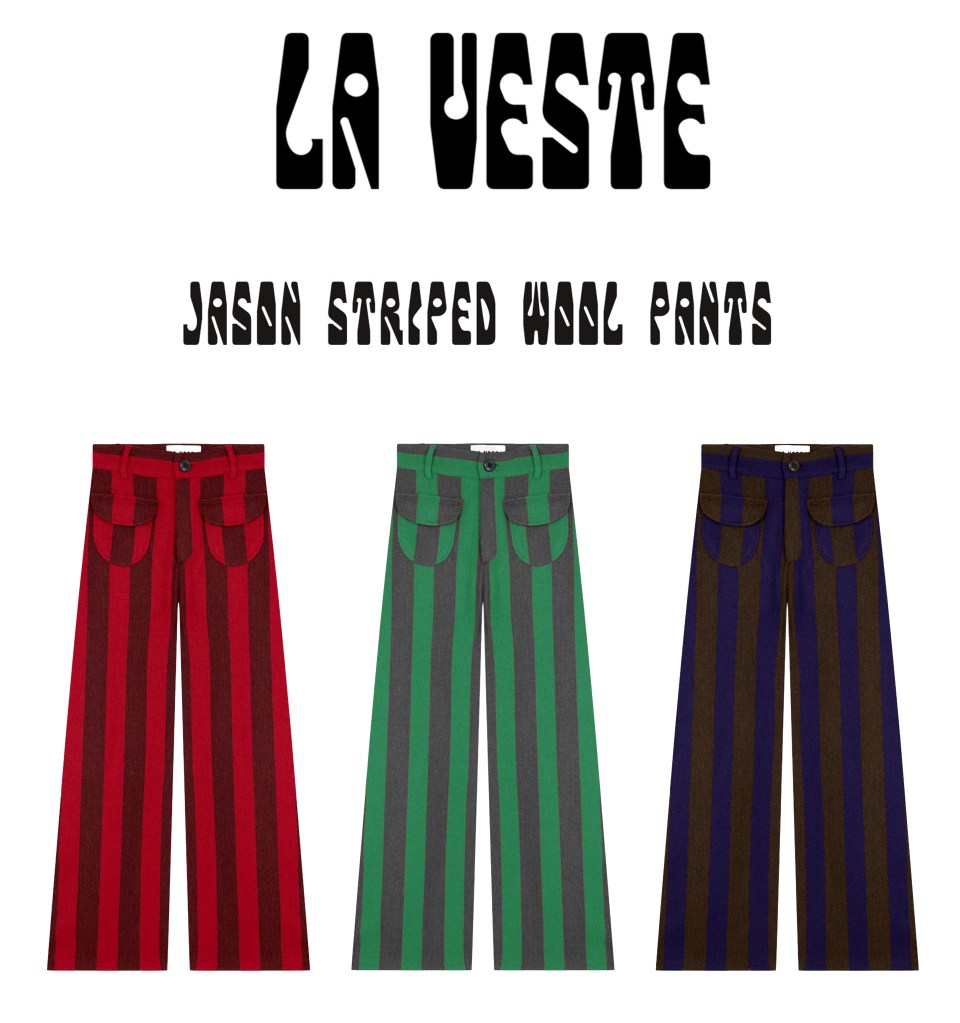
For years, asymmetry functioned as a shortcut to innovation. Uneven hems, fractured patterns, and visual tension signaled newness in an oversaturated landscape. But repetition stripped that strategy of its power. What once felt avant-garde became visual noise. Consumers, inundated with choice and constant novelty, began to disengage. The data reflects this: shorter trend cycles, declining sell-through on overly directional pieces, and stronger performance from items with balanced proportions and repeatability. Visual chaos does not scale well in commerce.
Neuroscience helps explain why. The human brain prefers visual information it can resolve quickly. Symmetry and pattern reduce cognitive load, creating a sense of trust, quality, and calm. In shopping environments—already high-friction due to volume—designs that feel coherent are easier to process and easier to commit to. This does not eliminate creativity; it rewards intention. Controlled structure now reads as intelligence, not restraint.
Brands are responding accordingly. Across luxury and premium markets, there is renewed emphasis on clean lines, mirrored details, thoughtful repetition, and silhouettes that hold their shape across seasons. Even when asymmetry appears, it is anchored—deliberate rather than chaotic. This approach supports longer product life cycles, clearer brand identity, and stronger consumer confidence. Order has become a commercial advantage.
What we are witnessing is not the end of experimentation, but the end of disorder for its own sake. Visual order signals maturity—in design, in brand strategy, and in market understanding. As consumers grow more discerning and less reactive, fashion is relearning a fundamental truth: when the eye feels calm, the mind stays open—and purchasing follows.
SeaCell and the Rise of Wellness Fabrics
Saturday, January 24, 2026
Fashion is shifting beyond aesthetics. Today, wellness fabrics—materials designed to support comfort, skin health, and overall well-being—are taking center stage. Leading the charge is SeaCell, a cellulose-based fiber infused with seaweed, produced via a closed-loop lyocell process that minimizes environmental impact.

SeaCell retains minerals, antioxidants, and vitamins from seaweed, which interact with the skin to soothe, hydrate, and combat oxidative stress. Its lightweight, breathable structure also delivers moisture-wicking, odor resistance, thermal regulation, and antibacterial benefits, making it ideal for activewear, loungewear, and intimates.
Designers are already exploring these properties in high-fashion applications. Sylva, the label founded by stylist Tallulah Harlech, uses SeaCell blends to create garments that act like “wearable skincare.” Knitted in Portugal, Sylva pieces—including tops, leggings, and dresses—are engineered to be breathable, hydrophilic, anti-irritant, and gentle on the skin, reflecting a growing demand for clothing that supports wellness as much as style. Harlech’s approach demonstrates how luxury fashion can integrate material science, performance, and sustainability seamlessly.

Hero Dress by Sylva £390.00 Black, full-length, long-sleeved dress. Durable and intensely opaque, cut to elongate the silhouette, designed to be the ultimate liminal garment. Labelless, with a detailed brand signifier stitch across the neckline. Made using skin-accredited fabrication to aid in skin-support whilst being 93% biodegradable.
SeaCell exemplifies a broader trend: fabrics that do more than look good. Consumers now demand textiles that perform, feel good, and align with wellness lifestyles. From botanically infused fibers to engineered materials that support skin and body, the next generation of fabrics is defined by their interaction with the wearer and environmental responsibility.
As fashion cycles accelerate and environmental awareness rises, materials like SeaCell prove that wellness fabrics are commercially viable, scientifically grounded, and culturally resonant. They represent the future: textiles that nurture both wearer and planet, giving consumers a reason to invest in more than just appearance.
The Rise of Cotton Velvet
Saturday, January 24, 2026

Velvet was never out of style. What is changing is how carefully people are paying attention to the composition of velvet. Historically, velvet was a tufted, woven fabric traditionally produced from silk on specialized looms that created two layers of cloth, later split to form its signature dense, soft pile. This process resulted in a surface with depth and movement—quietly luxurious rather than overtly decorative. For centuries, silk velvet was reserved for royalty and ceremony not because it was fashionable, but because of its cost, labor, and material integrity.
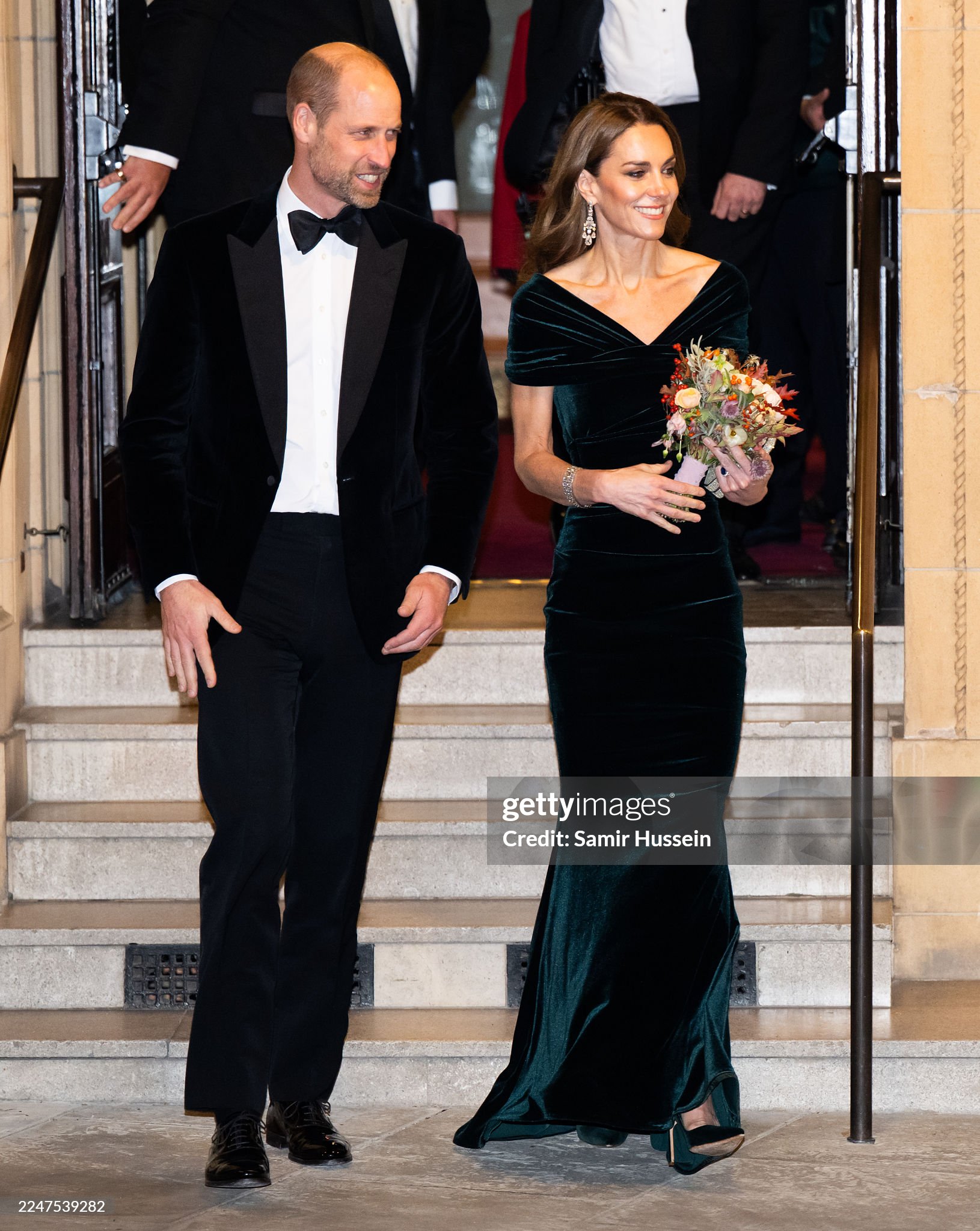
Prince William, Prince of Wales and Catherine, Princess of Wales depart the Royal Variety Performance at Royal Albert Hall on November 19, 2025 in London, England.
As velvet became industrialized, its composition expanded. Today, most velvet is produced from synthetic fibers such as polyester, nylon, or viscose (rayon), often marketed as “silk velvet” despite being blends or fully synthetic. Performance velvets prioritize durability and washability, while stretch velvets add elastane for flexibility. Velveteen, by contrast, is traditionally cotton-based, more matte, and structurally grounded.
What’s shifting now is a growing awareness that fabrics are not neutral. They sit against the skin, regulate heat, and influence how the body feels over time. Natural fibers are increasingly understood—both intuitively and culturally—as grounding and biologically familiar, while synthetics are being reconsidered as visually effective but energetically flat.
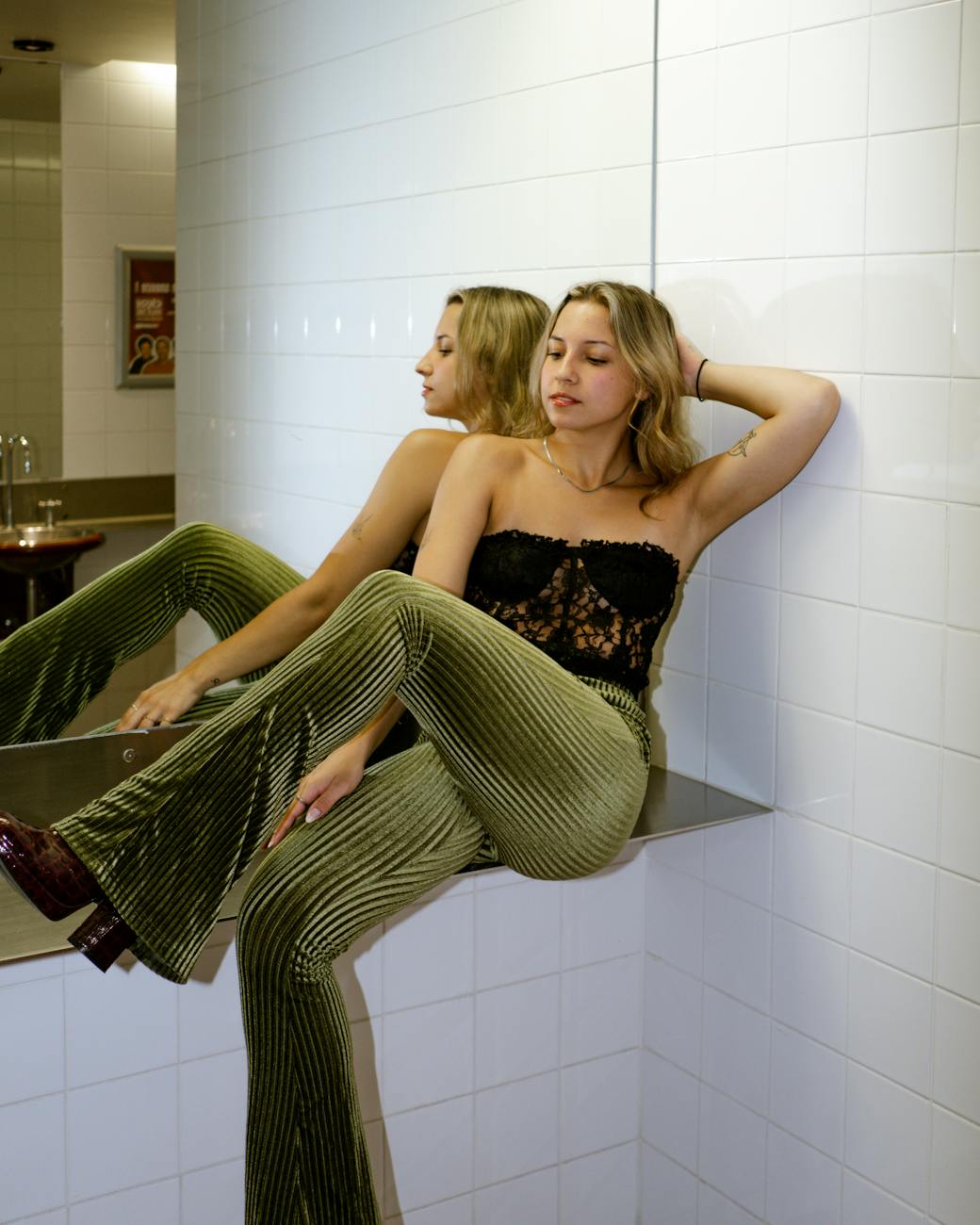
This is where cotton velvet enters the trend conversation. Cotton velvet offers a quieter form of luxury: breathable, durable, and responsive to wear. It lacks the high sheen of silk but provides comfort, structure, and warmth without artificial insulation. For clothing, it supports the body rather than competing with it.
From a trend standpoint, the rise of cotton velvet signals a broader material recalibration. While silk remains the pinnacle, cotton velvet reflects a renewed emphasis on composition over appearance. Velvet’s relevance has never faded—but the future belongs to versions that prioritize how a fabric feels to live in, not just how it looks.
Why Counting Objects Is the Clearest Sign of Creative Exhaustion
Friday, January 23, 2026
Across fashion, lifestyle media, and digital culture, a clear signal has emerged: the compulsion to count. Fifty scarves. Two hundred bags. Three hundred shoes. Influence measured not by imagination or perspective, but by volume. This is not taste—it is its absence.

When cultural confidence erodes, quantity replaces judgment. Counting objects becomes shorthand for authority, a way to signal relevance without offering insight. The conversation shifts from why it matters to how much exists. Numbers are easily compared and validated—but legibility is not meaning.
This behavior peaks when taste hierarchies flatten. Early in a movement, influence comes from discernment: editing, selection, restraint. As saturation grows, discernment gives way to proof, and proof becomes countable. The conversation narrows from what to how many.
Counting is compensatory, not additive. When perspective no longer carries weight, accumulation substitutes for point of view. Ownership replaces interpretation, and repetition masquerades as influence. Saturation weakens the effect: what once suggested access now reads as redundancy.
The next phase rewards a different skill. Influence shifts to clarity, cohesion, and selective presence. It favors the individual who can show why a single object, worn intentionally and repeatedly, still matters.
Counting is loud—but fragile. The moment attention moves from possession to perspective, its authority collapses. Markets and culture always move on.
#trending: Stable Personal Codes Over Seasonal Reinvention
Thursday, January 22, 2026
Fashion identity is increasingly defined by stable personal codes rather than seasonal reinvention. An individual’s signature aesthetic—the consistent choices, proportions, and details that reflect their own style—now carries far more weight than the next “it bag” or trending color. Rapid trend cycles no longer determine cultural authority; instead, clarity, cohesion, and a self-determined visual language have replaced performative hype as the measure of influence.
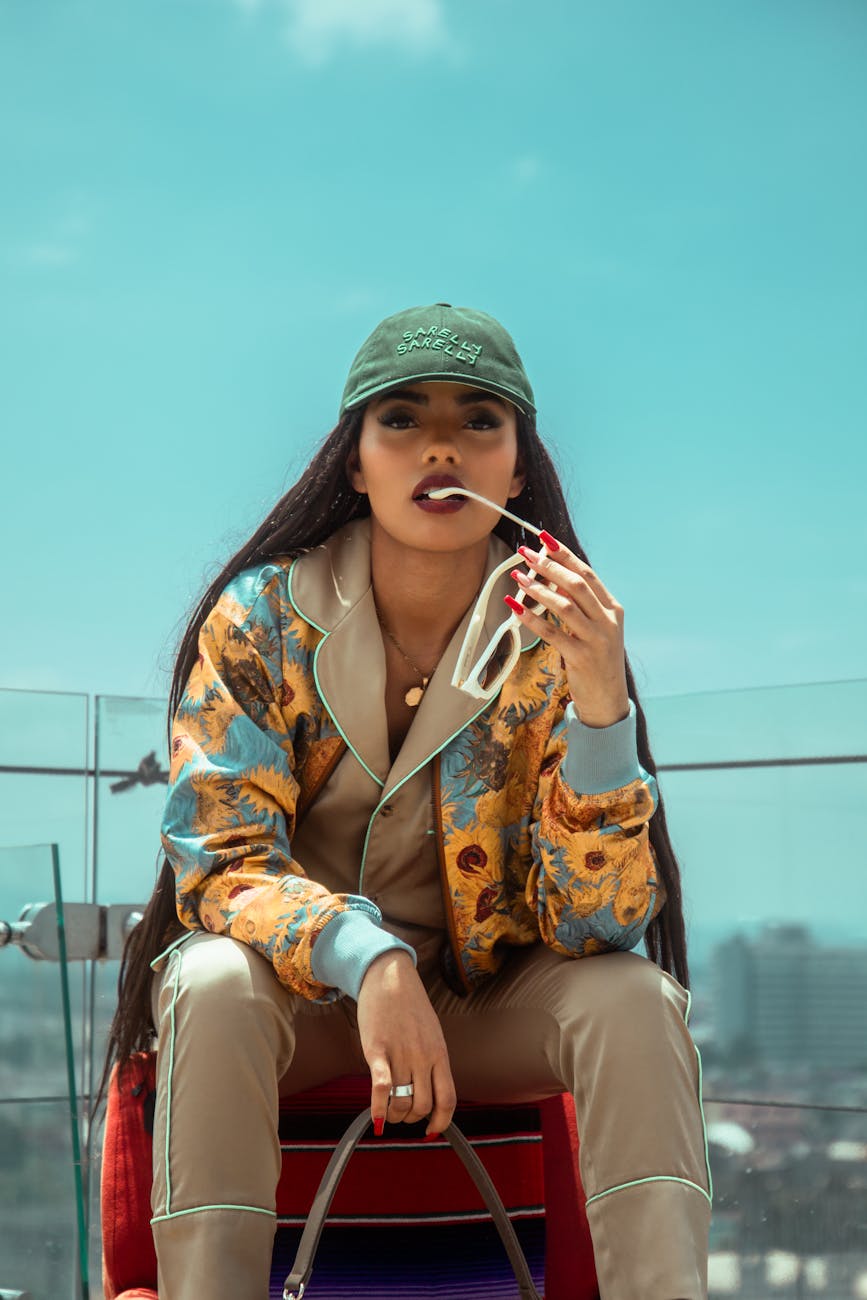
Authority in fashion is no longer earned through repetition or staged visibility. It resides in intentional choices, thoughtful curation, and subtle consistency. The brands, stylists, and individuals who excel in this climate are those who cultivate a long-term aesthetic vision, privileging enduring personal style over ephemeral spectacle.
#trending: The Authority of Non-Participation
Thursday, January 22, 2026
In an era dominated by logos, hashtags, and influencer codes, a quiet but profound shift is emerging: absence of signaling now reads as authority, not deficiency. Non-participation—once interpreted as a lack of taste or relevance—is becoming aspirational, a marker of cultural literacy in a world where performance and algorithmic amplification have long dictated perception.

The new currency of style favors humor rooted in observation rather than performance. Wit is earned, not staged; it emerges from perspective, not from repeating memes or chasing social validation. In this climate, the loudest voices no longer dictate taste—restraint has become the ultimate statement. Those who opt out of performative signaling convey a confidence and understanding that cannot be bought or broadcast, signaling authority in a subtle, unspoken way.
When Runway Magic Fails at the Cash Register: Why Some Fashion Labels Fold
Thursday, January 22, 2026
In fashion, critical acclaim and runway buzz can feel like pre‑ordination. A striking show will get press attention, celebrity sightings, and social media applause—but that doesn’t guarantee longevity. For several designers over the last two decades, the work that dazzled editors and influencers on the runway simply didn’t translate into commercially viable products, forcing brands to close their doors.
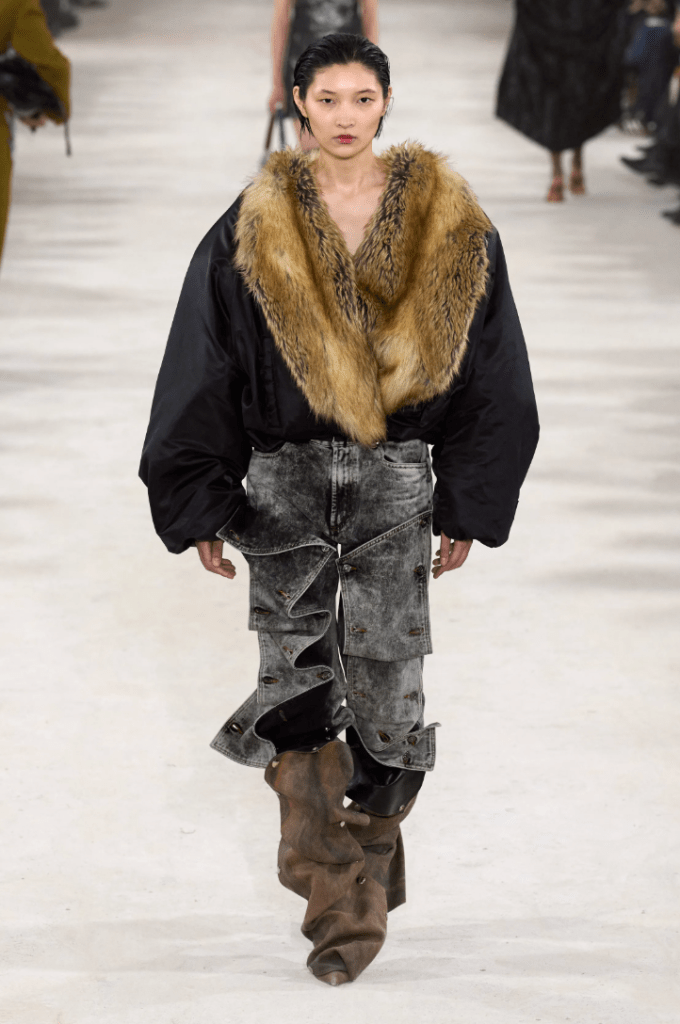
Y/Project: Paris‑based Y/Project, under Glenn Martens, became a darling for its experimental tailoring and gender‑fluid silhouettes. Critics praised its intellectual creativity, but its conceptual forms were difficult to scale. After leadership departures and no buyer emerging, the brand went into receivership in 2025. Its archive is now a cultural testament to the work’s importance—even if the market could not sustain it.
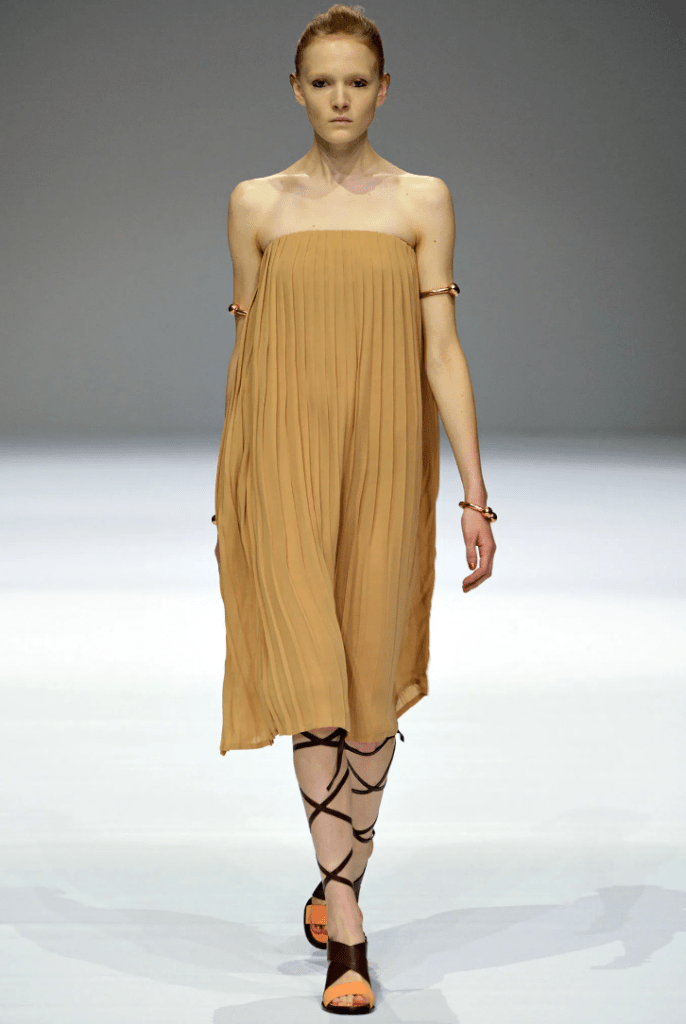
Veronique Branquinho: The Belgian designer earned international acclaim for sharp, concept‑forward womenswear. Launched in 1998, her label expanded into menswear, but the 2008 financial crisis exposed the challenge of converting editorial praise into consistent sales. A revival in the 2010s proved short-lived, and the label closed by 2017.
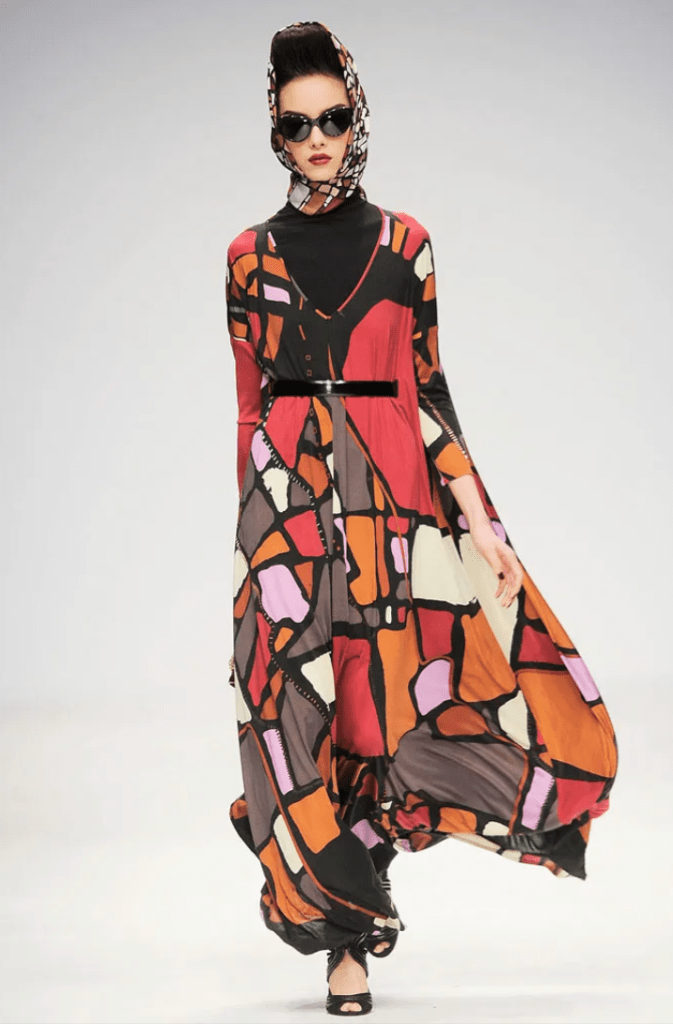
Issa: A single moment can make a brand iconic—when Catherine, Duchess of Cambridge wore Issa’s sapphire blue wrap dress in 2010, the brand’s visibility soared. But without operational infrastructure and a long-term retail strategy, the brand could not maintain momentum, leading to closure in 2015.
The Lesson: Creativity Isn’t Commerce
Runway brilliance is not enough. Designs that are sculptural, intellectual, or disruptive may win awards and editorial acclaim, but if they do not resonate with consumers in real-world wearability, retail partnerships falter, and sales stagnate. Longevity requires a bridge between aesthetic vision and commercial viability.
The industry lesson is clear: creative vision must meet market realities. Without that translation, even the most celebrated designers can find their labels unsustainable—reminding us that fashion is both an art and a business, and one cannot survive on imagination alone.
Could Victoria Beckham’s Rock & Republic Jeans Make a Comeback?
Thursday, January 22, 2026
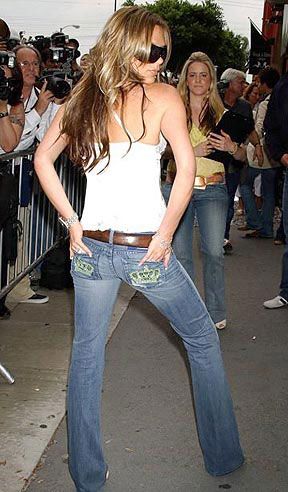
These were the first jeans I ever truly fell in love with. Instantly skinnier. Effortlessly chic. They molded to my body, elongated my legs, and somehow lifted my confidence along with my rear. A friend let me borrow them once, and I hoped she would never ask for them back. She did.
Victoria Beckham’s limited-edition denim line, VB Rocks, launched in 2004 in collaboration with Rock & Republic, was her first foray into fashion design. High-end denim engineered to enhance the figure, priced around $300 in the U.S., each pair featured her signature crown logo on the back pocket. Purses and handbags may come and go, but these jeans were timeless, and the cut—designed to sculpt and elongate—still reads like perfection today. You can still find them online, gently pre-loved, on sites like Poshmark, but only in limited sizes.
While nothing has been officially confirmed, a revival of VB Rocks, keeping the original cut and inspiring a new fashion era for Victoria Beckham, could position her at the forefront of contemporary style again. Nostalgia, fit, and that unmistakable VB polish make these jeans more than a throwback—they could be the blueprint for her next chapter. And if she does relaunch them, I’ll finally be ready to invest in a pair I’ll never have to return.
In an Oversaturated Luxury Era, the Return to Understated Italian Craft
Thursday, January 22, 2026
We are still very much living in an era where designer luxury is relentlessly oversaturated across social media. Logos are everywhere, repeated endlessly in feeds, hauls, and outfit tags until even the most iconic pieces begin to feel visually exhausted. As a result, many longtime luxury buyers are quietly looking elsewhere—toward brands that feel less exposed, less performative, and more personal, even if they come at a fraction of the price.
Founded in 1927 in Bologna, Furla built its reputation on Italian craftsmanship, refined leather goods, and an understated approach to luxury long before branding became loud. The brand has remained family-founded in spirit, focusing on quality materials, thoughtful design, and timeless silhouettes rather than chasing trend cycles. It’s classic Italian style without spectacle—elegant, intentional, and enduring.
When I recently came across the Iride Crossbody S in Sakura, a soft metallic pink, it stopped me in my tracks. It instantly made me feel happy—something I haven’t felt about a handbag in years. The energy of the piece feels sweet rather than declarative; it doesn’t attempt to signal status or buying power. Instead, it feels joyful, light, and considered. In a market saturated with bags that announce themselves, this one simply exists beautifully.
The design itself is quietly versatile. The removable and adjustable leather strap allows it to transition easily from day to night, and when paired with the MyFurla gold bag handle, it becomes something entirely different—more sculptural, more evening-appropriate, and uniquely personal. Though it might feel like a holiday bag at first glance, it works year-round as an accent piece, elevating even the simplest outfit.
What truly makes the Iride stand out in today’s climate is its understated branding. The logo doesn’t dominate the design—it invites curiosity. You’re left guessing who made it, which in an age of logo saturation feels refreshing. And when you do recognize it, it’s reassuring to know that Furla remains one of Italy’s most respected leather houses.
As luxury continues to flood digital spaces, pieces like this signal a quiet shift. Buyers aren’t abandoning quality—they’re seeking it in places that still feel untouched. In that sense, Furla isn’t chasing relevance. It never had to.
The Era of True Exclusivity: How Department Stores Could Reinvent Luxury
Wednesday, January 21, 2026
The era of mass returns and social-media-fueled consumption is ending. As department stores shrink and online shopping dominates, luxury brands are confronting a problem they can no longer ignore: influencer culture and return habits have eroded the value of high-end merchandise. Expensive items are often purchased not for personal style or investment, but for fleeting images—worn once, photographed, and returned. The result: once-aspirational brands are diluted, their exclusivity compromised, and their relationships with loyal, high-value clients strained.
The future of department stores may respond to this by becoming something closer to personal shopping showrooms. Instead of carrying vast inventories, stores could operate as curated spaces where customers select items online, have them delivered to the store, and try them on before committing to purchase. Returns would be limited or penalized with fees after a set period, encouraging shoppers to buy only what they truly want. This model decreases the risk of theft, reduces overstock, and ensures that each purchase carries real value.
For luxury designers, the implications are equally transformative. Brands may begin limiting production per line, releasing only a set number of items, and carefully vetting who receives access. Influencers or clients who previously exhausted a brand’s allure without generating lasting value may be excluded, while those who elevate and protect the brand are rewarded with coveted access. Exclusivity, scarcity, and carefully curated audiences are poised to replace mass availability and social-media hype as the true measure of desirability.
In this future, department stores evolve into selective, experience-driven spaces, and luxury becomes not only about product quality but about the trust, discretion, and attention given to each customer. The focus shifts from transient appearances on social media to meaningful, deliberate consumption—where every piece purchased has both value and significance.
As the industry recalibrates, the question emerges: is this the rebirth of true luxury? Or will social-media pressures and convenience ultimately erode exclusivity once more? For now, the move toward curated showrooms, limited releases, and reduced returns signals a turning point—one where the rarest commodity in fashion may not be a handbag or a coat, but the very experience of being chosen.
From Sheets to Streets – The Rise of Pajama Dressing
Wednesday, January 21, 2026
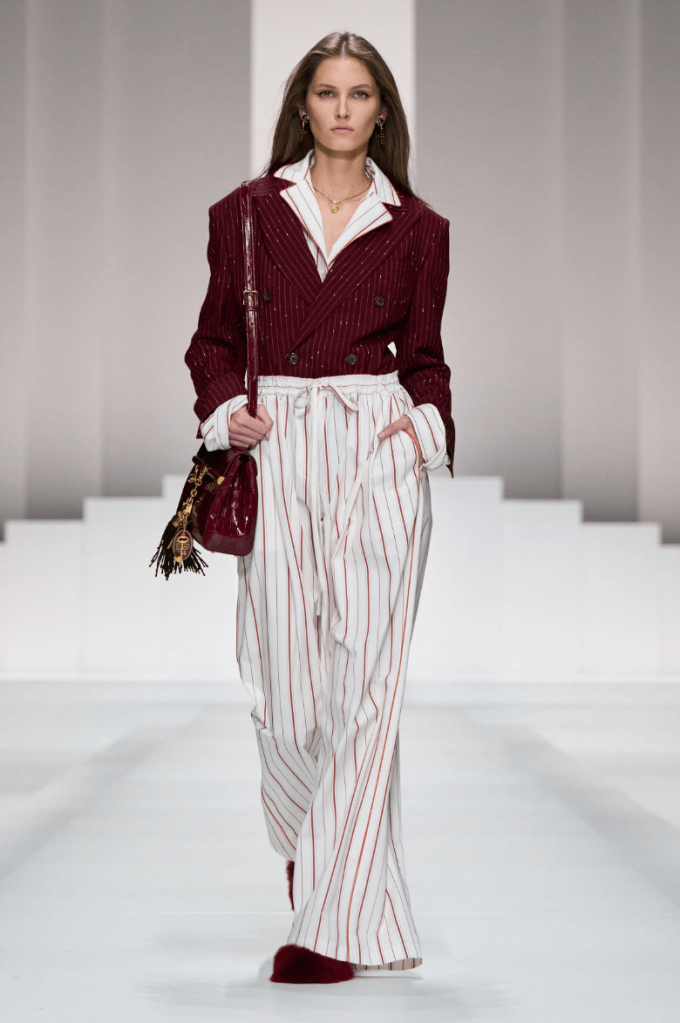
Looking around my own environment—grocery stores, gas stations, neighbors getting in their cars—it’s clear that a new global dress code has emerged. In smaller-town America, people leave their homes in outfits that look strikingly similar to what they slept in the night before. Most likely, they are wearing the same clothes they went to bed in. I do it myself, and there’s no judgment here. Living in Florida, where the weather is warm year-round, it’s impossible to hide behind layers, unlike colder climates where big coats can conceal pajamas or loungewear.
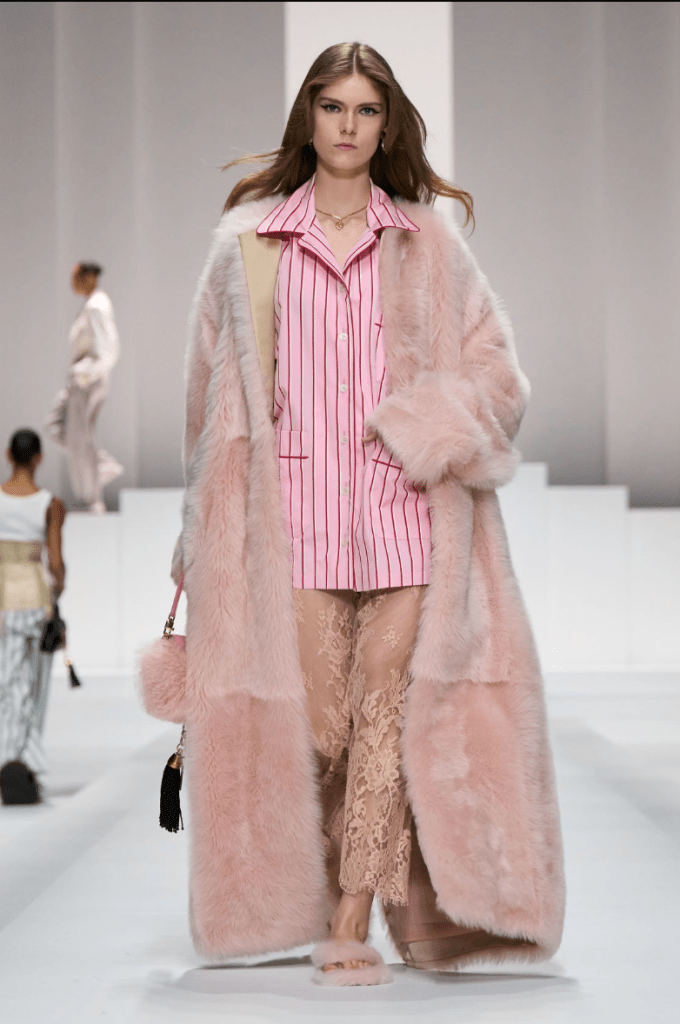
This casual approach is emblematic of a post-COVID culture. Extended time at home normalized comfort as a priority, and social media fatigue reinforced it: influencers often cannot hold onto a single trend long enough for consumers to invest, so why bother dressing up daily? Loungewear and athleisure naturally emerged as versatile solutions—you can sleep, work, and run errands in the same outfit.
Dolce & Gabbana’s Spring 2026 Ready-to-Wear takes this phenomenon to its most extreme expression. Known historically for polished Italian style—where women would rarely step outside without looking on-point—the designers have flipped the script, embracing pajamas as luxury fashion. The line celebrates the sheets-to-streets aesthetic rather than hiding it under layers. Striped cotton sets, lacy underlayers, and relaxed tailoring are no longer just casual comfort—they’re now elevated, high-end fashion statements.
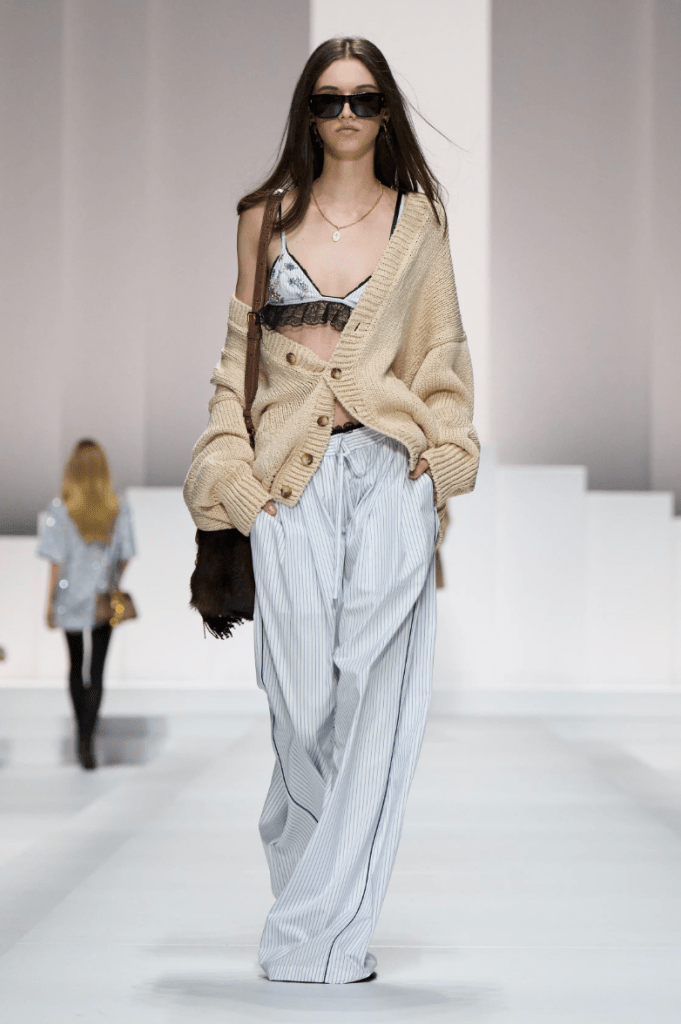
The collection raises questions about the trajectory of contemporary dressing. Is this the future, where going out in sleepwear signals style and sophistication? Or have we pushed comfort too far, and a return to more structured, formal attire is inevitable? Dolce & Gabbana’s vision is both a reflection of current behaviors across towns, cities, and countries and a provocative statement about what luxury can mean today.
Why Generation Z Is Investing—Not Just Buying
Wednesday, January 21, 2026
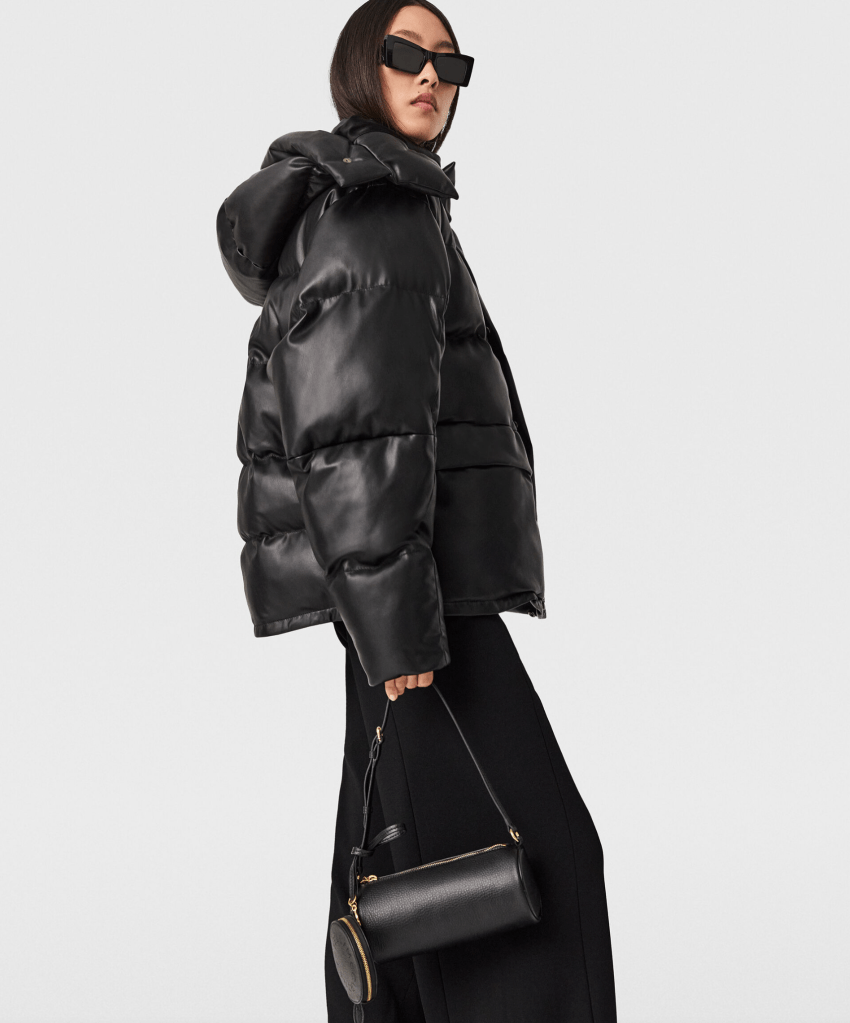
Generation Z approaches fashion with a sharper filter than previous consumers. If they are going to spend real money, they expect real substance. What they are increasingly unwilling to do is pay luxury prices for products made from the same materials, in the same locations, and with the same lifespan as items available through ultra-fast-fashion platforms. The gap between price and production has become obvious—and Gen Z is responding accordingly.
This generation isn’t rejecting fashion or luxury; it’s rejecting inconsistency. They understand fabric composition, manufacturing standards, and brand positioning. When a garment offers no meaningful difference beyond branding, the premium loses credibility. Value, for Gen Z, is tied to longevity, ethics, and design integrity—not visibility or volume.
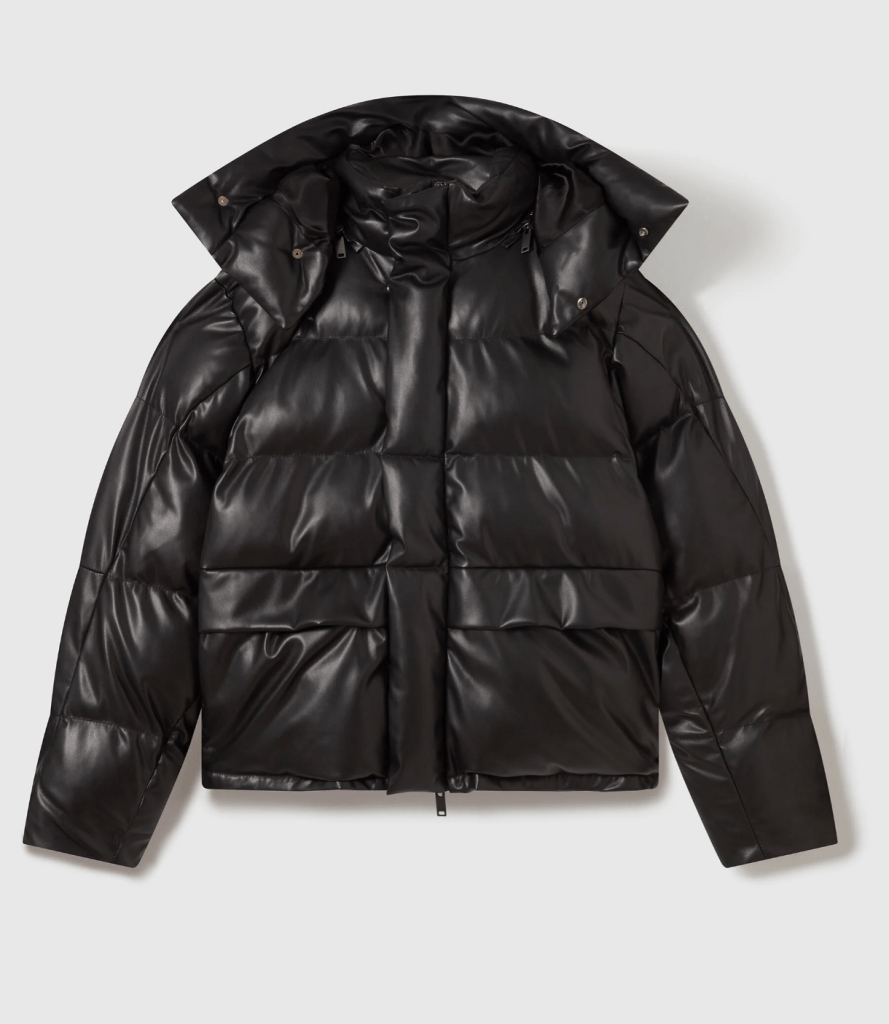
Stella McCartney has been ahead of this shift since the beginning, when she launched in 2001. Long before “conscious fashion” became a category, she built a brand centered on innovation without animal materials, proving that responsibility and desirability can coexist. Her work is grounded in clear brand codes and long-term thinking rather than trend cycles.
A current example is the Stella McCartney Padded Vegan Puffer Coat ($2,700). It is undeniably an investment, but one that aligns with Gen Z’s priorities. Handcrafted in Italy by skilled artisans, the coat uses vegan alternatives to animal leather and features a padded, sculptural silhouette with a detachable hood and precise construction. It’s designed to hold its relevance—not to be replaced next season.
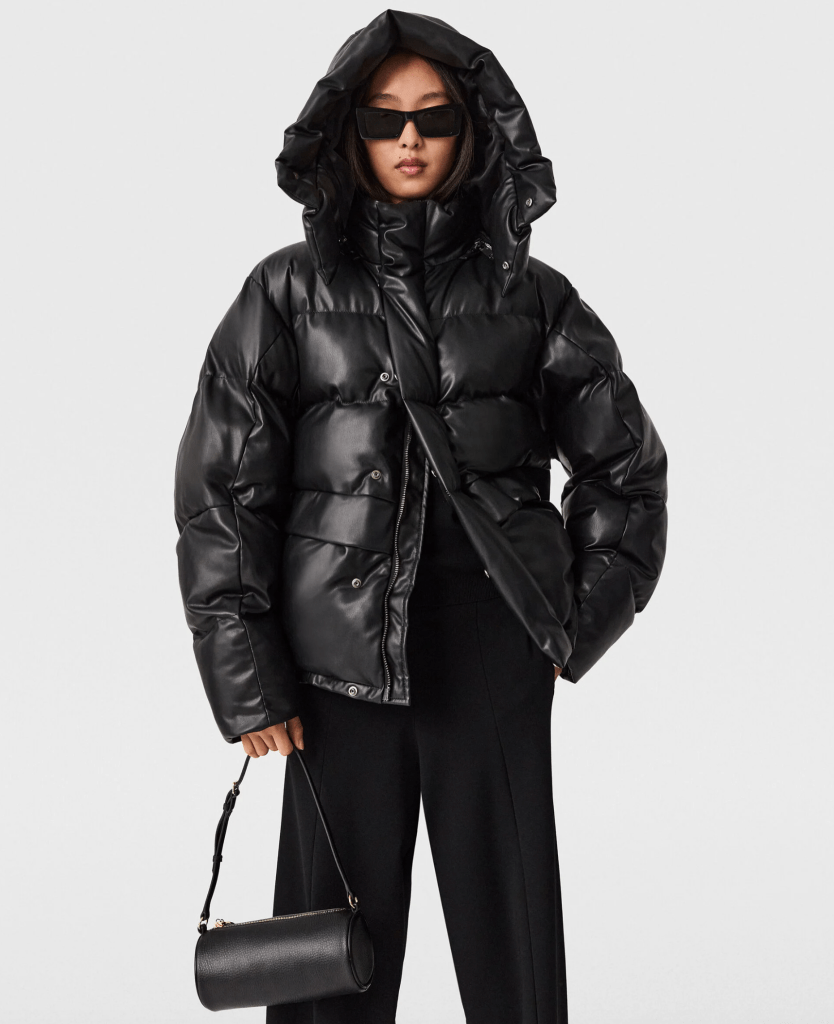
Culturally, the piece resonates as well. Puffer coats once signaled street credibility in the 1990s—functional, bold, and tied to identity rather than polish. Stella’s black puffer taps into that history while pushing it forward. It feels futuristic yet grounded, familiar yet exploratory, carrying both cultural memory and forward momentum.
What this trend makes clear is that Gen Z will still invest—but selectively. Quality, transparency, and thoughtful construction are no longer differentiators; they are expectations. In that context, Stella McCartney’s work doesn’t feel reactive. It feels aligned with a generation that sees fashion not as disposable, but as a considered, long-term choice.
When Hermès Meant Pattern, Not Price
Tuesday, January 20, 2026
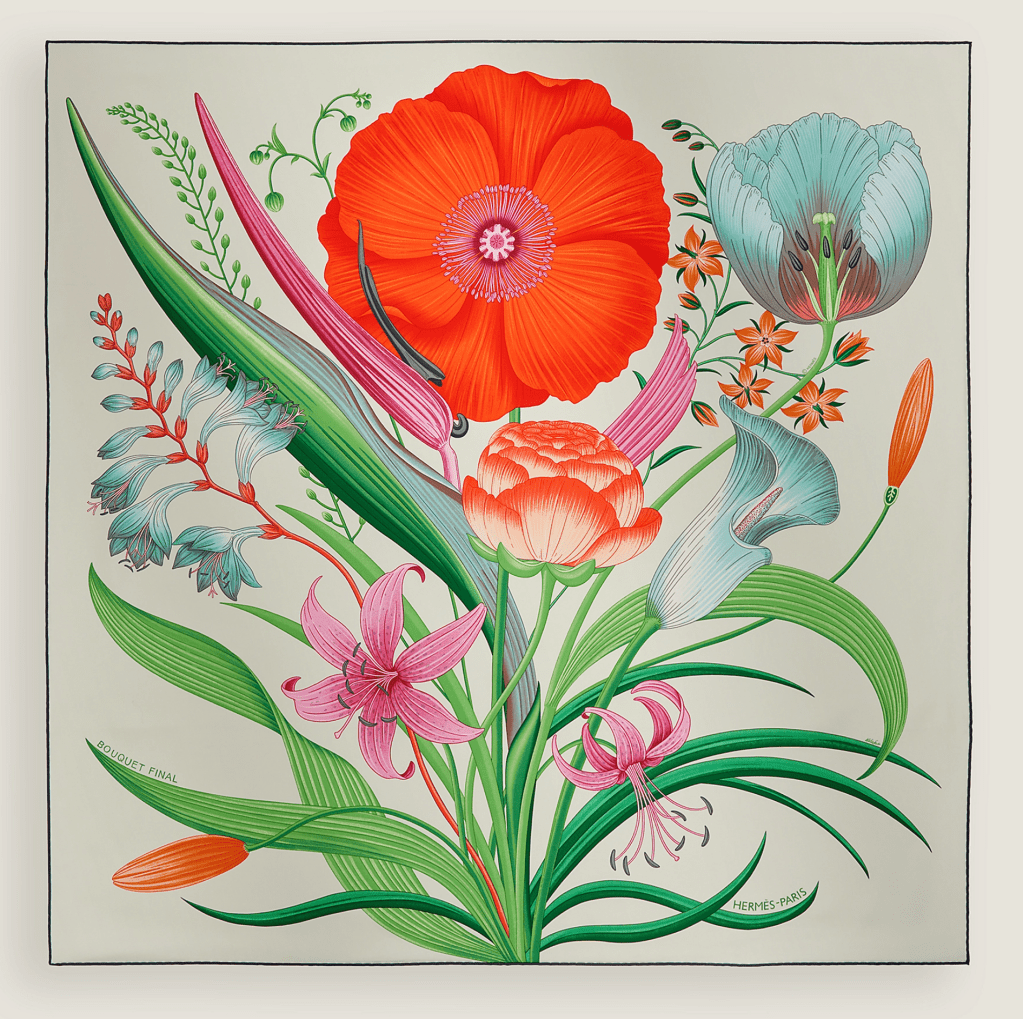
There was a time when recognizing Hermès had little to do with handbags and everything to do with literacy. The silk scarf—rich in illustration, symbolism, and craft—signaled discernment rather than expenditure. It suggested the wearer understood fashion history, composition, and subtle codes. Recognition came through pattern and placement, not through overt displays of wealth.
In recent years, the visual center of Hermès has shifted. The Birkin bag—often costing tens of thousands depending on exotic skins, hardware, and rarity—has become the brand’s most visible emblem, propelled by celebrity culture and influencer saturation. Social media feeds flooded with Birkin unboxings and styling videos have reframed the bag as a shorthand for financial access rather than personal style. When a luxury object is repeated endlessly, its meaning flattens.
This shift has changed what the brand communicates. The Birkin no longer signals quiet understanding; it signals purchasing power. And while the craftsmanship remains extraordinary, the cultural message has become louder and more uniform.
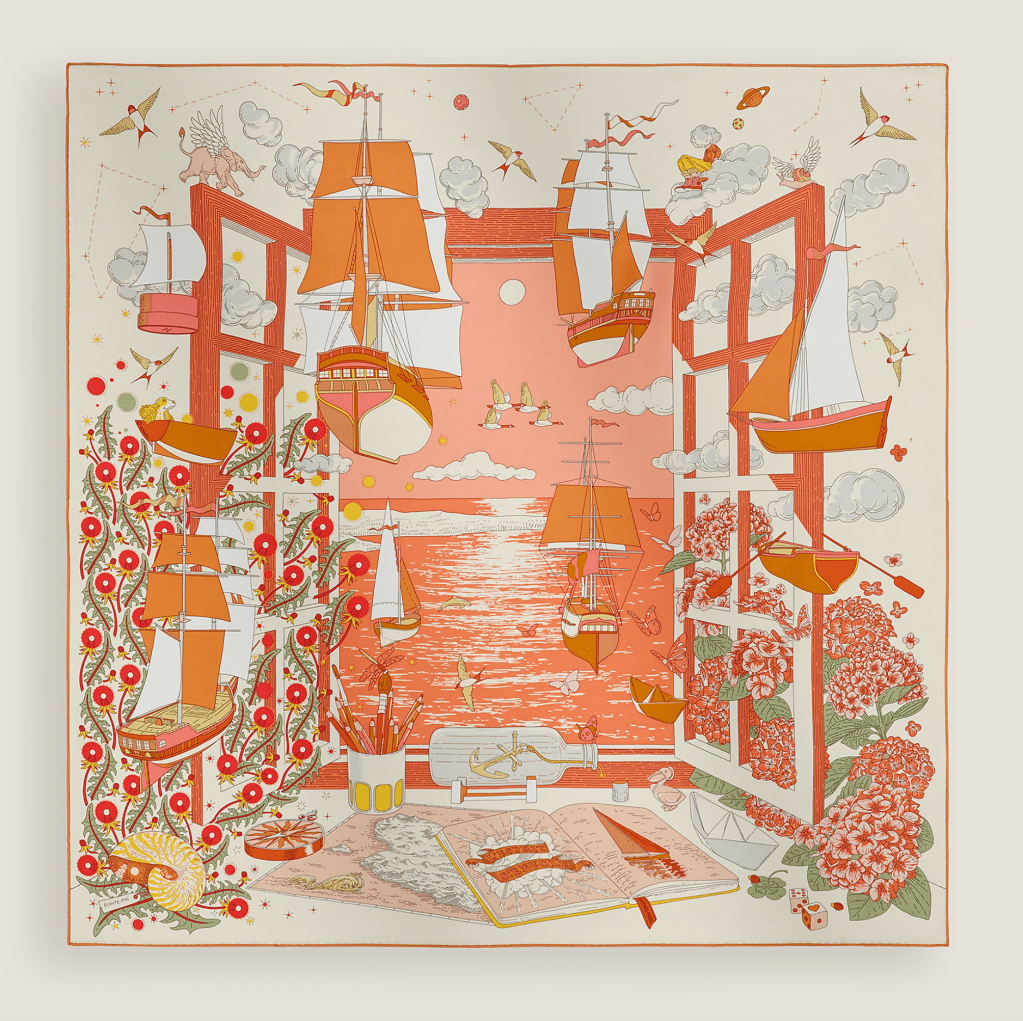
Against this backdrop, Hermès silk scarves are quietly reclaiming relevance. Scarves exist outside algorithm-driven trend cycles. They are artistic rather than transactional—designed to be collected, worn, and reinterpreted over decades. Styled as a bandana, headband, or tied at the neck, a Hermès scarf introduces color, narrative, and intention into an otherwise minimal look. Paired with leather, denim, or a biker jacket, it elevates “biker chic” without announcing itself.
What we are seeing is a broader shift in luxury signaling. Consumers fatigued by conspicuous consumption are gravitating toward pieces that communicate taste rather than price. In this context, the scarf feels almost radical again—an object that rewards attention, not virality.
As fashion continues to move away from influencer-driven uniformity, Hermès’ most enduring symbol may not be its most expensive one. The silk scarf, with its depth of design and cultural fluency, reminds us that true luxury has always been about understanding—not display.
Biker Chic, Interpreted—From Local Streets to London Nights
Tuesday, January 20, 2026
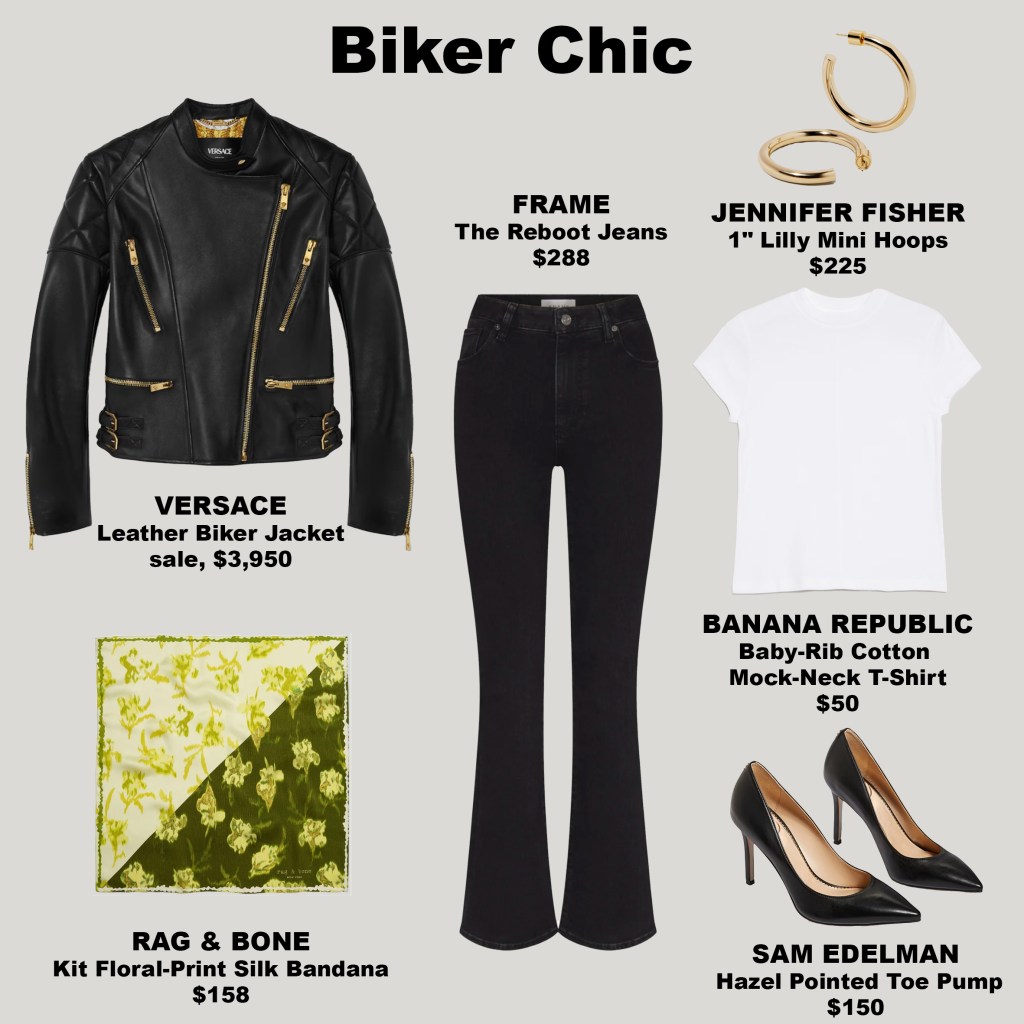
One of the most interesting shifts in fashion right now is the move away from borrowed fantasy and toward lived environment. Biker chic works precisely because it translates local culture into something personal—and adaptable. This is a look that makes sense whether you’re out on a Saturday night in a biker town or walking the streets of London with the same quiet confidence.
The anchor is a Versace nappa leather biker jacket—quilted shoulders, heritage buckles, diagonal zip, and Barocco-printed lining. It’s unapologetically strong, but refined. This is the piece that defines the outfit and gives it authority; everything else is intentionally understated.
A white baby-rib cotton mock-neck tee from Banana Republic keeps the look clean and grounded, while Frame’s high-rise black bootcut denim adds structure without leaning into trend. The silhouette is familiar, wearable, and sharp—nothing feels forced.
Accessories stay disciplined: black pointed-toe pumps by Sam Edelman, a silk bandana from Rag & Bone, and small gold hoops by Jennifer Fisher. The bag should be simple and non-competitive. In fashion, one luxury piece should lead. Here, it’s the jacket.
That’s what makes this look versatile. Locally, it reads confident and effortless. In London, it feels intentional, editorial, and entirely at home. Biker chic, at its best, isn’t costume or excess—it’s knowing how to take what surrounds you and wear it with restraint, clarity, and ease.
Less Is More: Why One Pair of Classic Shoes Can Define Your Style
Monday, January 19, 2026
In a world obsessed with consumption, luxury fashion often feels like a race: a constant chase to acquire the newest bag, the latest dress, or another pair of designer shoes. But what if the key to truly elevated style wasn’t in excess? What if the most powerful fashion statement was simply knowing what you love—and investing in it wisely?
Take shoes. While wardrobes come and go, shoes can anchor an outfit, signal sophistication, and last for decades when chosen carefully. Classic Italian brands like Ferragamo have perfected this formula. The moment you slip into a pair of Ferragamo Vara pumps or Varina flats, you don’t just look polished—you convey confidence, taste, and understanding of quality. You don’t need twenty pairs; you need one pair that you genuinely adore.
My personal favorite is the Vara Bow Pump in Amaretti/Flame Red. It’s bold without being overpowering. Pair it with an all-black outfit and you immediately elevate the look; mix it with ripped jeans and a crisp white shirt, and you strike a perfect balance of casual and intentional. That’s the beauty of investing in a classic: it transforms everything it touches.
The lesson here is subtle but profound: owning too much can dilute impact. Excess creates noise, while select, well-chosen pieces become icons in your own wardrobe. In an age when influencers fill feeds with endless hauls—much of which they receive for free—it’s tempting to mimic the frenzy. But real style doesn’t follow the crowd. It follows intention.
Investing in a single pair of shoes that you truly love does more than simplify your closet; it reinforces your personal identity, your taste, and your confidence. In the long run, it’s far more satisfying—and far more timeless—than constantly chasing novelty.
Luxury fashion doesn’t have to be about abundance. It’s about precision, care, and understanding that sometimes, less is infinitely more. And if one Ferragamo pump can make you look like you know exactly what you’re talking about, why buy twenty?
Ancient Roads Jewelry: The Rise of Color, Craft, and Timeless Gold
Monday, January 19, 2025
In a world where mass-produced jewelry dominates, Ancient Roads Jewelry is redefining what it means to wear color, craft, and meaning. Founder-driven and self-taught, the brand hand-cuts each gemstone—ruby, sapphire, tourmaline, garnet, opal, turquoise, amethyst, and more—using rudimentary methods that echo jewelry made centuries ago. Every stone is natural and untreated, rejecting the heat treatments, fillings, and enhancements common in commercial jewelry. The result is pieces that carry history, texture, and individuality.
Gold, long valued for its stability and warmth, anchors each design, creating a foundation that is both luxurious and versatile. The combination of colorful gemstones and gold allows these pieces to be worn in multiple ways: a single pendant or ring reads as simple elegance, while layering and stacking create a more bohemian, expressive look. This flexibility makes the jewelry equally at home with minimal everyday styling or with maximalist, artistic ensembles.
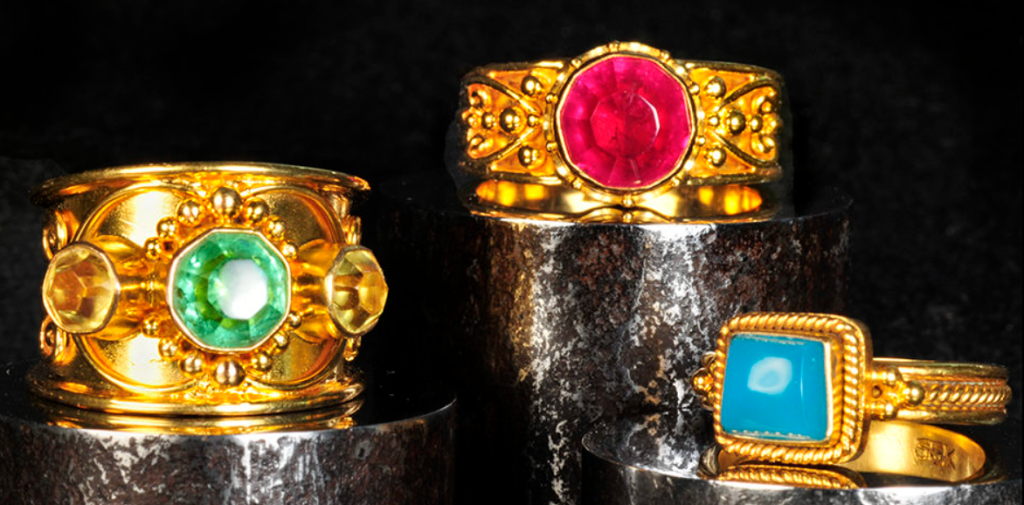
Beyond aesthetics, the stones themselves carry energetic significance. Ruby and garnet are said to inspire vitality, sapphire and tourmaline clarity and protection, while emerald and chrysoprase promote balance and calm. Paired with gold’s grounding energy, each piece feels personal and intentional—an antidote to disposable fashion and trend-driven jewelry.
Despite the use of rare, natural stones and careful handcrafting, Ancient Roads Jewelry remains remarkably accessible, offering real value without sacrificing quality. In a market flooded with treated gemstones and mass production, this jewelry represents a return to intentional design: pieces that can be cherished, layered, and worn repeatedly, bridging luxury, artistry, and practicality.
The trend is clear: consumers are seeking jewelry that tells a story, feels alive in the hand, and connects color, energy, and materiality in meaningful ways. Ancient Roads Jewelry meets that desire, turning heirloom-quality craftsmanship and natural gemstones into wearable, contemporary style.
The Unpolished Turn: Fashion’s Long Rebellion Against Perfection
Monday, January 19, 2026
For more than fifteen years, social media has demanded control. Fashion became a stage for performance: clean lines, neutral palettes, symmetrical silhouettes, and outfits built to photograph perfectly. Even rebellion was rehearsed—every undone strand, every smudge, meticulously orchestrated. This relentless curation has left a generation fatigued, craving expression unmediated by algorithms or filters.
The Unpolished Turn is the response. Rooted in ’90s grunge, underground club culture, and anti-fashion moments, this movement prioritizes lived experience over aspiration. Distressed textures, oversized layers, ripped tights, scuffed boots, and clashing proportions signal a refusal to look “finished.” Outfits are assembled for movement, mood, and reality—not for the camera. It’s not nostalgia for its own sake; it’s a correction.
This aesthetic emphasizes personality over polish and instinct over instruction. Femininity can be sharp. Elegance can coexist with roughness. Clothing becomes expressive rather than explanatory. Visible wear, texture, and movement are embraced as part of the story a person tells about themselves. For a generation that has spent fifteen years presenting optimized versions of themselves, this is liberation.
The Unpolished Turn isn’t fleeting. After a decade and a half of curated perfection, the desire to inhabit fashion without performance is structural. It signals a cultural shift where imperfection is no longer a flaw but a statement. The masks are coming off, and the rebellion feels permanent. Fashion is no longer performing control—it is telling the truth.
Stripe & Stare: Skin-Conscious Fashion on the Rise
Monday, January 19, 2026
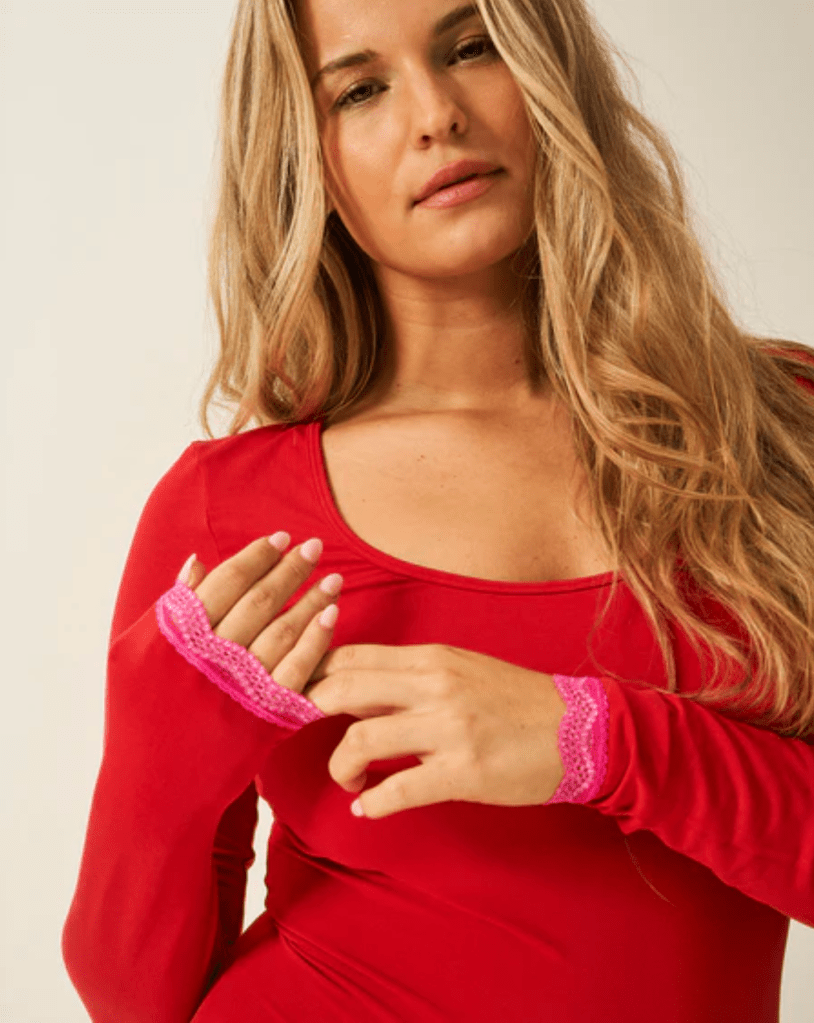
Fashion is no longer just about looking good—it’s about feeling good on your skin. Brands like Stripe & Stare are at the forefront of this shift, using fabrics designed to be breathable, soft, and skin-friendly. Their main range is 95% TENCEL™ Micro x Modal, a plant-based fiber that’s moisture-wicking, anti-bacterial, and flexible, with just 5% elastane to ensure a perfect fit. Unlike polyester or other synthetic fabrics, TENCEL™ is biodegradable and compostable, making it a sustainable choice for the health-conscious shopper.
I recently ordered two bodysuits from Stripe & Stare, and they perfectly capture this trend. They feel at one with your skin, offering softness and comfort while still holding their shape. Wearing them reminds you that fashion can support wellness, not just aesthetics.
This movement reflects a broader shift in consumer behavior. Gen Z and health-conscious shoppers are approaching fashion like food: checking labels, evaluating materials, and thinking about impact. On the opposite end, fast-fashion lovers chase low-cost, disposable items. Stripe & Stare bridges the gap, offering pieces that are responsibly made, luxurious, and worth the investment.
The trend is clear: skin-conscious fashion is becoming mainstream. Materials, craftsmanship, and wellness are now as important as style. Brands that embrace fabrics that are sustainable, functional, and gentle on the skin will define the next generation of fashion. Stripe & Stare is leading the way—and for anyone who cares about longevity, comfort, and conscious consumption, this is a brand to watch.
Our Skin is Our Biggest Organ: How Fabric Choices Are Shaping the Future of Fashion
Monday, January 19, 2026
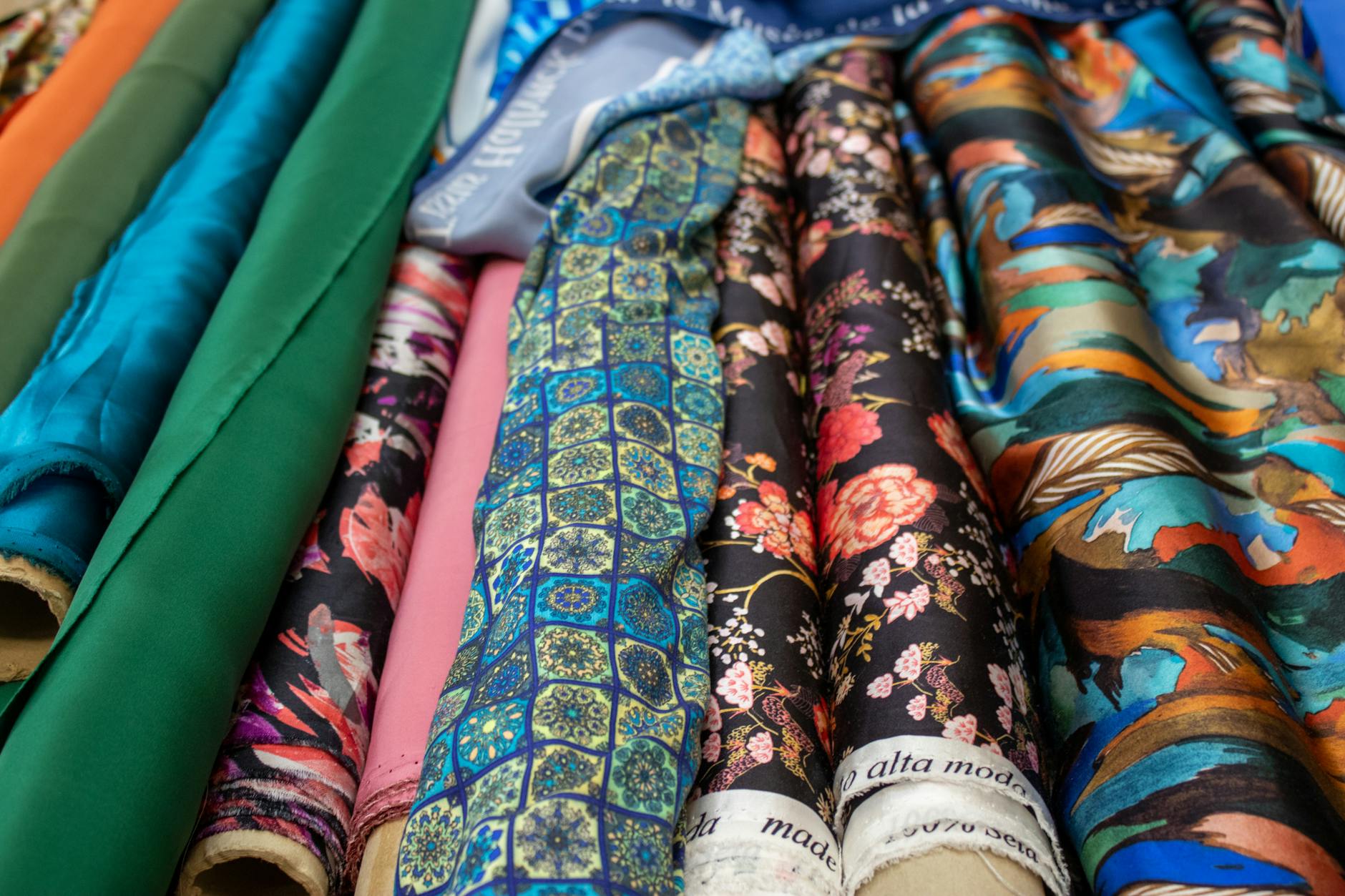
Our skin is our largest organ, naturally porous and constantly interacting with the materials we wear. Increasingly, consumers are treating it as such, becoming more conscious of what they wear, not just what they eat. Health-conscious shoppers are now checking labels for fiber content, chemical treatments, and sustainability, just as they would scrutinize food. Fabric is no longer just fabric—it’s a statement about well-being, ethics, and personal choice.
Generation Z is driving this shift. On one end, they prioritize organic fibers, ethical production, and skin-friendly fabrics. On the other, there’s the fast-fashion mindset—pieces that are inexpensive, trend-driven, and worn once or twice. But this awareness has created a challenge for luxury department stores. Young consumers are increasingly realizing that many high-priced luxury items—polyesters, synthetics, and mass-manufactured fabrics—come from the same origin as fast-fashion brands like Shein. Why spend hundreds of dollars on something that is essentially the same as what they could buy for a fraction of the price?
This tension explains part of why department stores are struggling. They’re being asked to justify their prices beyond brand prestige and design, while trends move faster than ever and consumers demand both ethical sourcing and instant gratification. The future may lie in bridging these extremes: offering luxurious, skin-conscious fabrics and ethically sourced materials, but also creating a shopping experience—online and in-store—that makes high-quality fashion feel immediate, relevant, and worth the investment.
As trends accelerate and consumer awareness grows, the question becomes: how will the industry create real value for both the skin-conscious and the fast-fashion generation, while keeping department stores relevant in a world where the line between luxury and mass-market fabrics is increasingly blurred?
Oversized Elegance Returns: The Gucci Giglio Tote
Sunday, January 18, 2026
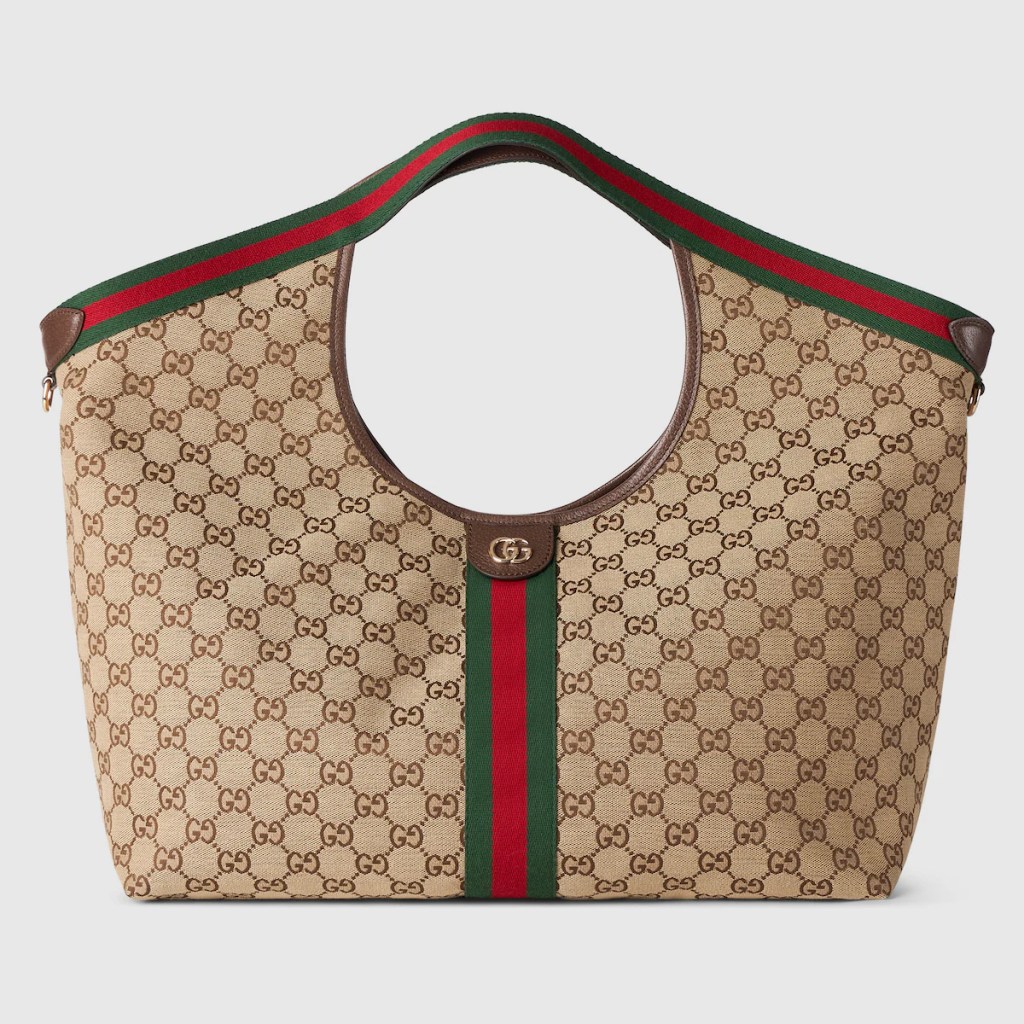
Luxury fashion is cycling back to a trend that once defined celebrity style: the oversized bag. Gucci’s new Giglio large tote, now available with personalized initials, brings this statement accessory back into focus, offering both practicality and unmistakable luxury. The ability to monogram the bag adds a modern touch, blending personalization with high-fashion allure—a feature that makes the tote feel distinctly yours in a world of mass-produced luxury.
Oversized bags first hit peak popularity in the early 2000s, when celebrities like Mary-Kate and Ashley Olsen carried enormous totes everywhere, from airport lounges to red-carpet events. These bags weren’t just about carrying essentials; they were a lifestyle statement: a signal of effortless cool and the freedom to carry a little bit of everything, mirroring the Olsen twins’ bohemian-meets-glam aesthetic.
Fast forward to today, and the Gucci Giglio tote feels like a bridge between eras. The emphasis on personalization reflects a modern desire for individuality, while the generous size nods to the practicality and statement-making style of the early 2000s. In a world where fashion cycles faster than ever, oversized totes remind us that some trends are worth holding onto—and that style can be both functional and iconic.
Whether for travel, work, or everyday luxe, the Gucci Giglio tote exemplifies how heritage aesthetics can be refreshed for contemporary wardrobes. The oversized bag, once a celebrity hallmark, now finds new life as a versatile, personalized investment piece—proof that some trends, when reimagined, never truly go out of style.
From Flares to Skinnies—and Back Again: Who Defines What’s Relevant?
Sunday, January 18, 2026
Do you remember when flares and bootcut pants ruled the world? They seemed to last forever—at least until around 2006. I had a friend who couldn’t imagine wearing anything but pants that went over her shoes. Celebrities like Victoria Beckham even pushed it further, letting pants almost touch the ground when they walked. It was the era of effortless elongation, and it felt like nothing else mattered.
Then came 2006. I spent a summer in Milan and witnessed the seismic shift from flares to skinny jeans. Suddenly, everyone was in figure-hugging denim, and it felt like the skinny jean phenomenon would never end. By 2014, I remember thinking that one day flares would come back—and I’d be thrilled—because skinny jeans aren’t flattering on everyone.
Now, in today’s fashion landscape, trends seem to change faster than ever. Part of it is the rapid pace of online shopping and the high rate of returns: by the time a piece arrives, it can already feel outdated. Inventory planning, trend forecasting, and creating real customer loyalty have become nearly impossible. The result is a landscape where moments are fleeting, and nothing stays trendy for long.
The fascinating question now is: who really gets to define what’s relevant? With styles mixing across eras, silhouettes colliding, and social media amplifying every microtrend, relevance feels like a moving target. One thing is certain—what once seemed timeless now requires constant reinterpretation, and the power to define fashion feels more shared, chaotic, and democratic than ever.
Why Department Stores Need to Rethink the In-Store Experience
Sunday, January 18, 2026
Department stores like Saks Global are in a tricky spot. Online shopping is convenient, but it comes with a huge hidden cost: returns. Shoppers browse from their computers, buy impulsively, and then bring items back—often without even trying them on. When a large percentage of purchases get returned immediately, it’s impossible to plan inventory, forecast trends, or create real customer loyalty. Perhaps this is another reason why trends no longer stay trendy for long. When retailers can’t rely on actual purchase data, designers and brands are constantly chasing what might be next, creating a cycle where styles peak and vanish almost instantly.
The result? Consumers are stuck in a loop of constant novelty. They see trends explode, feel pressure to buy fast, and then move on, leaving stores scrambling to restock, discount, or pivot mid-season. The digital-first shopping world has shortened trend lifespans, and without a physical anchor, it’s nearly impossible to build lasting excitement around a collection.
If department stores want to survive, they need to give shoppers a reason to step inside. Instant gratification, personalized experiences, and exclusive events are essential. Think curated in-store parties, pop-up brand experiences, styling sessions, early-access launches, or interactive workshops. These aren’t just marketing gimmicks—they create moments where shoppers experience the products, engage with brands, and are more likely to make purchases they’ll keep.
By designing stores as destinations, retailers can reduce returns while fostering loyalty. When someone tries on a dress at a live event or gets personalized advice from a stylist, the risk of returns drops and satisfaction rises. Stores that prioritize experience over inventory are likely to see more committed customers, and perhaps help slow the dizzying pace of trend turnover.
Ultimately, the department store of the future can’t just be a warehouse of products. It needs to be a community space, a hub of style education, inspiration, and immediate gratification. Only by creating a compelling reason to come in—beyond what a screen can provide—can department stores hope to thrive in a world where clicking “buy” online is just too easy.
 The Hourglass Edit